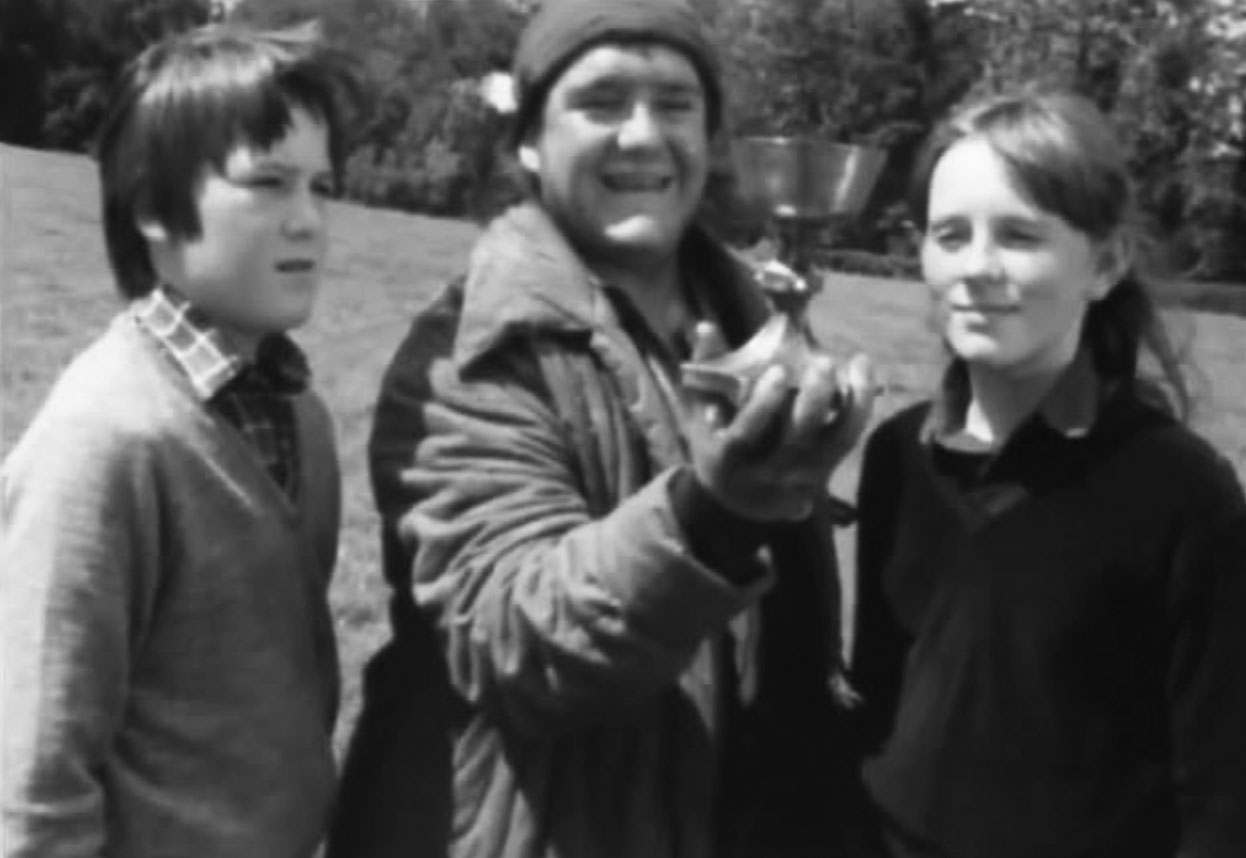
The Bells of Astercote (1980) is a young adult orientated BBC television drama adapted by Valerie Georgeson from Penelope Lively’s 1970 novel Astercote, the latter of whom between 1977 and 1985, wrote 31 episodes of the BBC children’s long-running teatime storytelling television series Jackanory (1965-1996) and also wrote an episode of the young adult-orientated British supernatural anthology drama television series Shadows (1975-1978). It was directed by Marilyn Fox, who also directed 288 episodes of Jackanory and the BBC young adult-orientated Cold War drama series Codename Icarus (1981), the latter of which explores some brainwashing, real-world apocalyptic themes etc that, considering its young teatime audience, are markedly complex and at times notably unsettling.
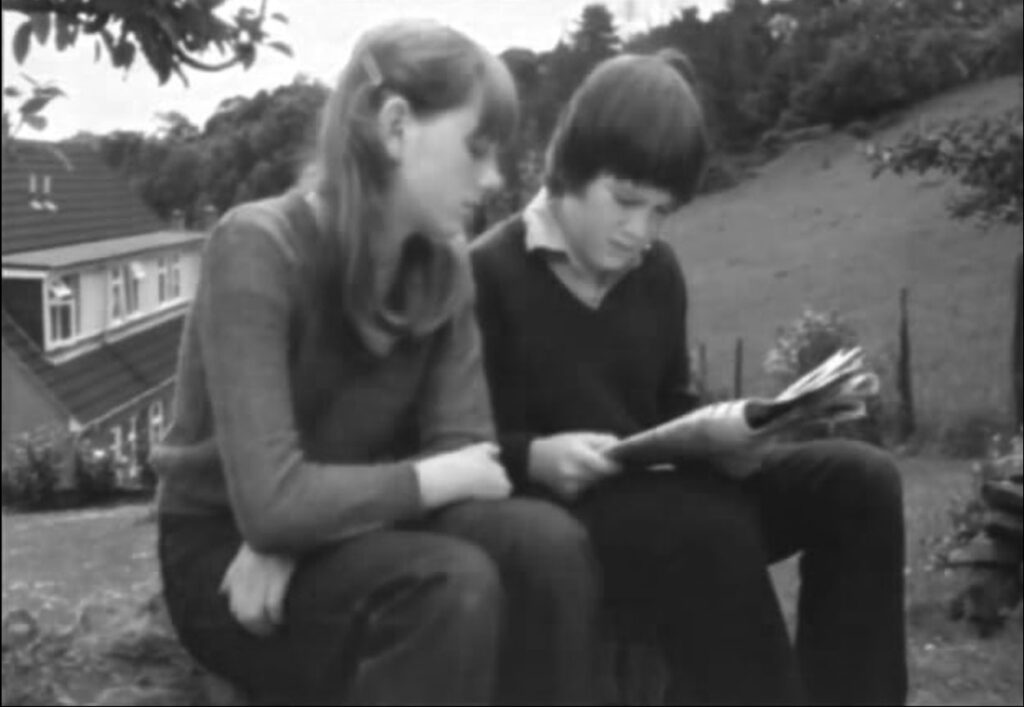
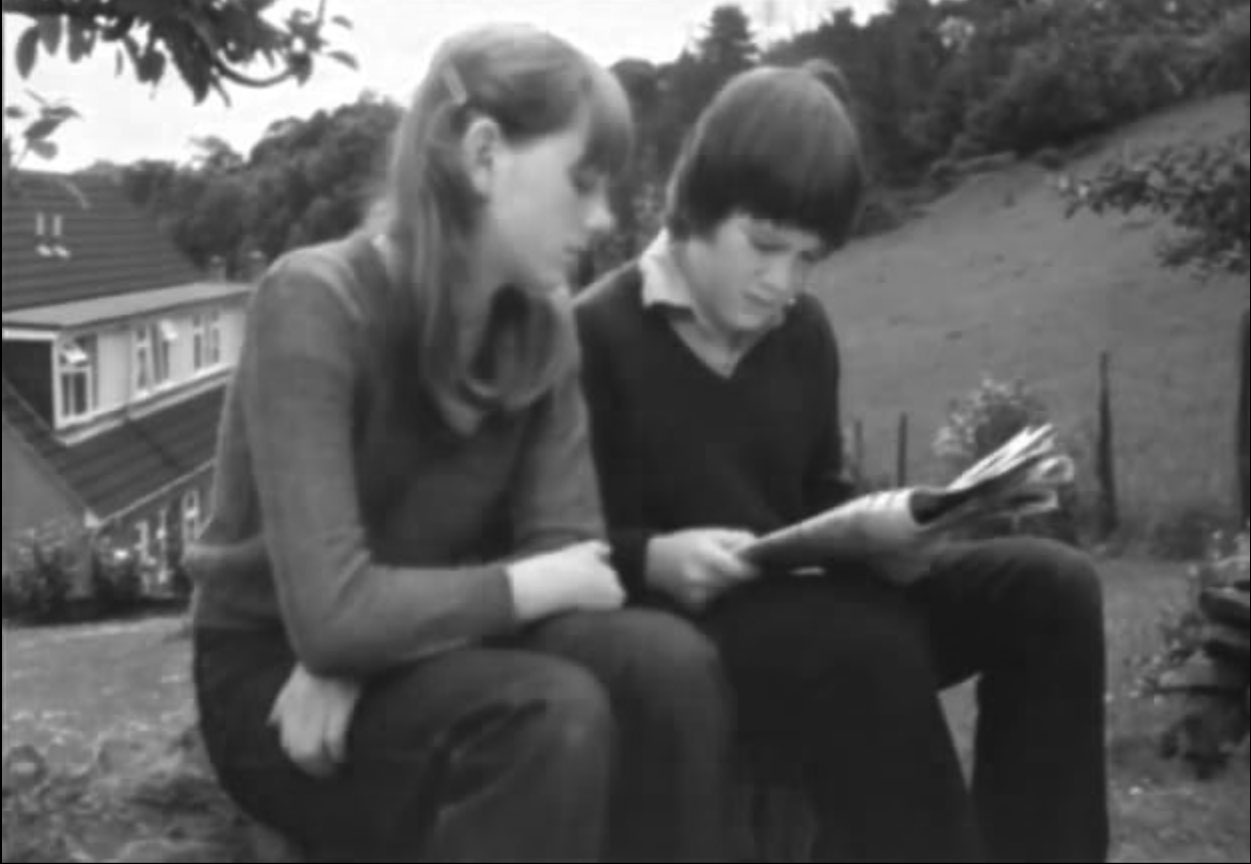
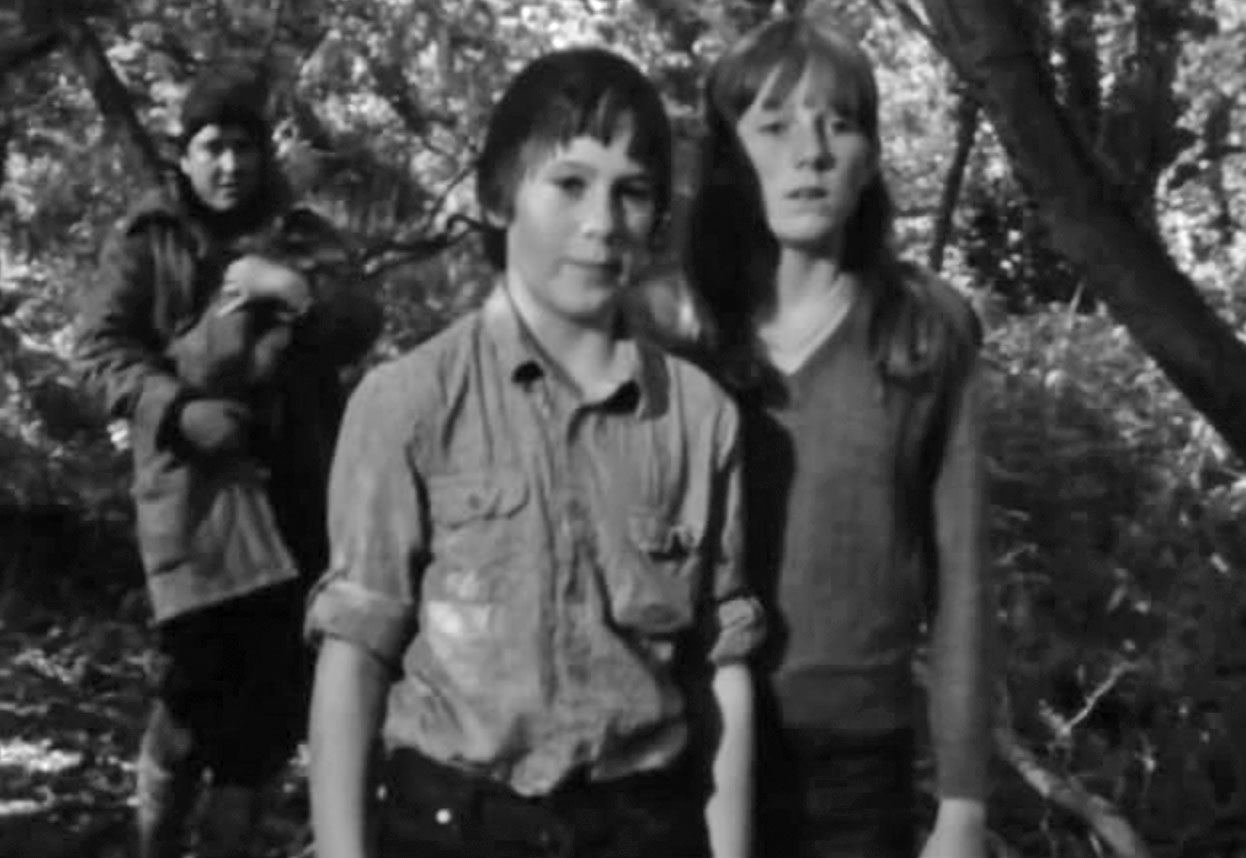
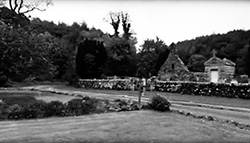
In The Bells of Astercote, a young brother and sister, Mair and Peter, played by Siobhan Brooks and Ifor Williams respectively, are new to the village of Charlton Underwood, which is markedly divided between locals whose families have lived and worked the land there for centuries and who maintain many of their traditional beliefs and ways of life and newcomers such as Mair and Peter who live in a new housing estate.
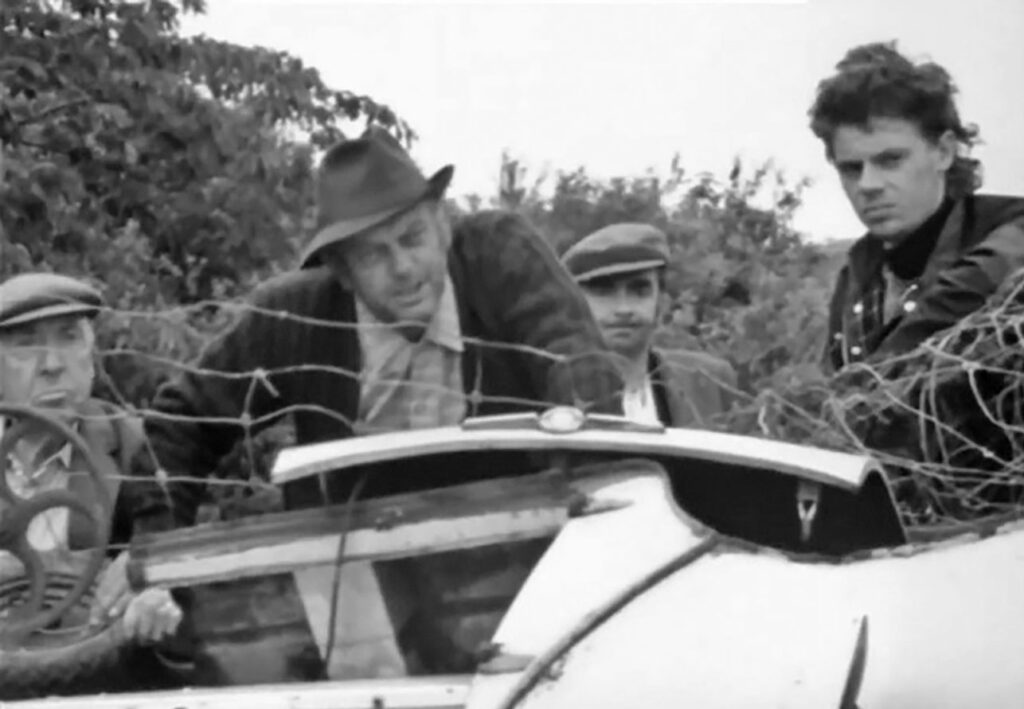
Mair and Peter meet a local man, Goacher, played by John Branwell in a nearby wood, which is the site of an older village, Astercote, that was wiped out in the 14th century during the black death plague, the return of which is thought by the locals to be held at bay by a magical chalice from Astercote’s church that Goacher has hidden and guards in the wood. When the chalice goes missing, mass hysteria quickly takes hold of the locals, and they start to interpret any signs of illness as the return of the plague. Tensions heighten between them and the newcomers, and indeed the encroachment of modernity in any form, and they barricade themselves into the village and take up arms to prevent any further intrusions
Despite such themes, it often conjures a sense of bucolic bliss and is topped and tailed with a forest brook that goldenly glistens in the sun, while the way that Mair and Peter seem able to explore and (literally) run freely across the landscape reflects the unfettered freedoms of another age’s childhoods. However, such aspects are skilfully contrasted with a strong sense of dread about the growing tensions in the village. Alongside which, while the supernatural elements are relatively scant, when they do appear in full flow, they are surprisingly darkly depicted, especially considering, as with the above-mentioned Codename Icarus series, its intended tea-time young audience; Mair is receptive to echoes from Astercote, including the titular church bells, and this leads her to have a timeslip vision of the black death pustule-ridden villagers, which is depicted with a blunt realism that vividly illustrates the harshness of 14th century rural life.
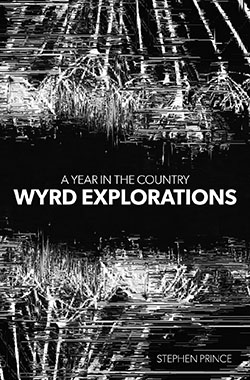
As mentioned above, The Bells of Astercote was an adaptation of the novel Astercote, which was written by Penelope Lively, who, as I also discuss in A Year In The Country: Wyrd Explorations (2024), has something of an intertwined backgrounding with “wyrd” culture from the early 1970s. Her novel The Wild Hunt of Hagworthy (1971) can be grouped with two other young adult novels, Billy Buck (1972) by Josephine Poole and William Rayner’s Stag Boy (1971), all of which draw from similar mythical and folkloric associations with deer and related real-world folk rituals:
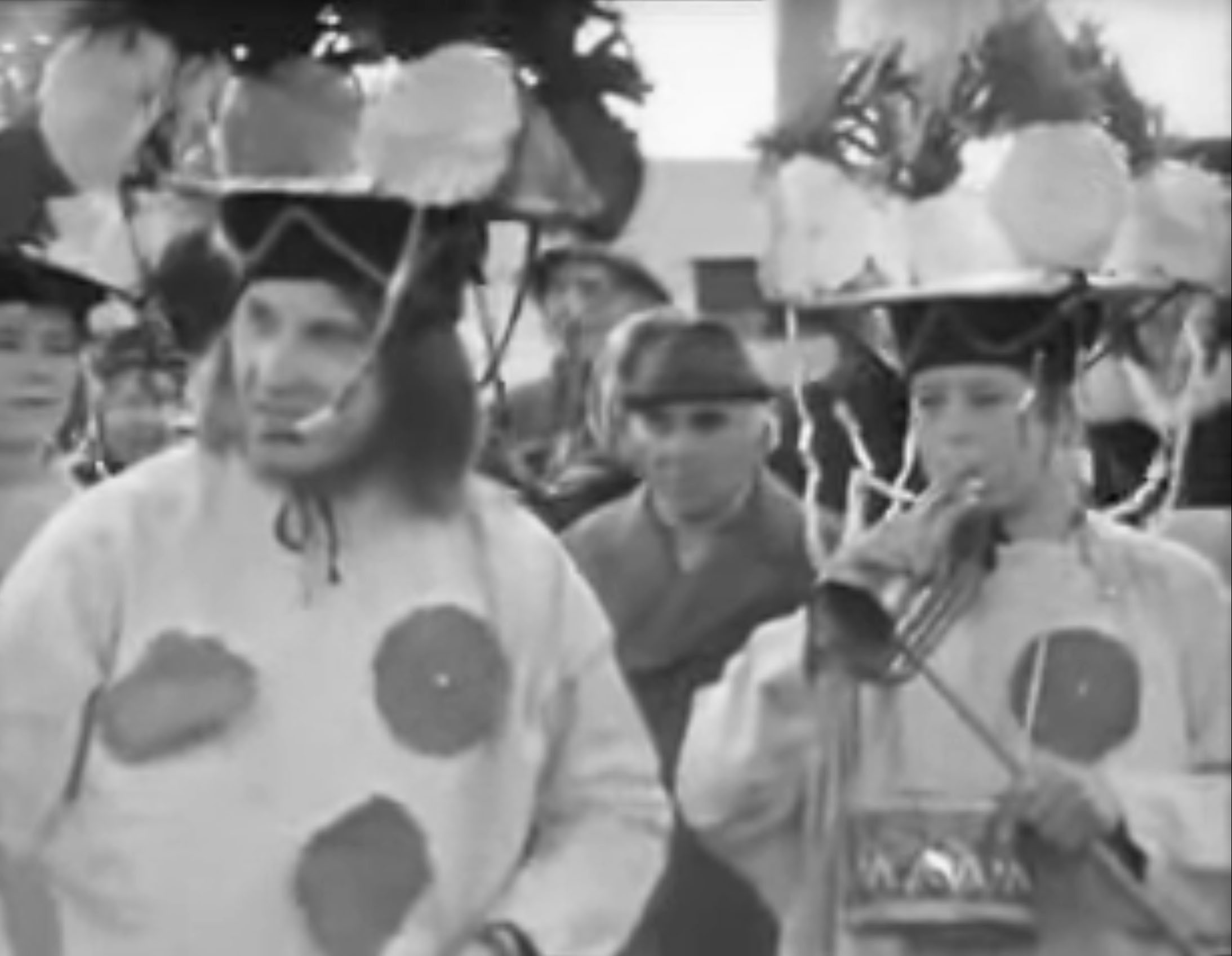
“[These books] share the setting of Exmoor and the Devon/ Somerset border, where a deeply-buried folk heritage rises from the landscape – [including] a horn dance of the type still enacted today at Abbots Bromley, a wild hunt, [and] an ancient antlered helmet.” (Quoted from “Running with the Deer – 1971 in Children’s Literature”, Jem, Whistles in the Wind (whistlesinthewind.wordpress.com), 2012.)

Alongside sharing these folkloric themes, the books also connect with a wider trend in 1970s literature:
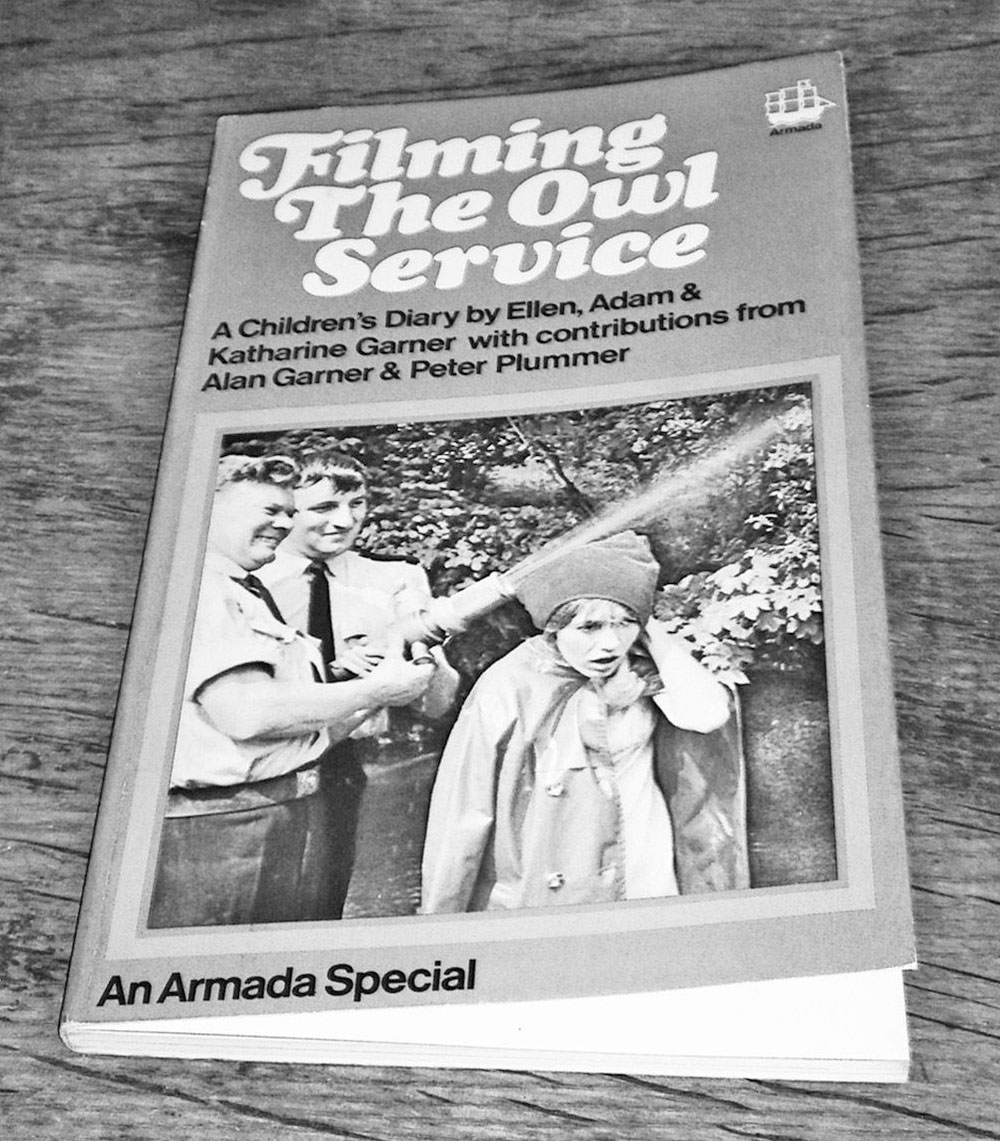
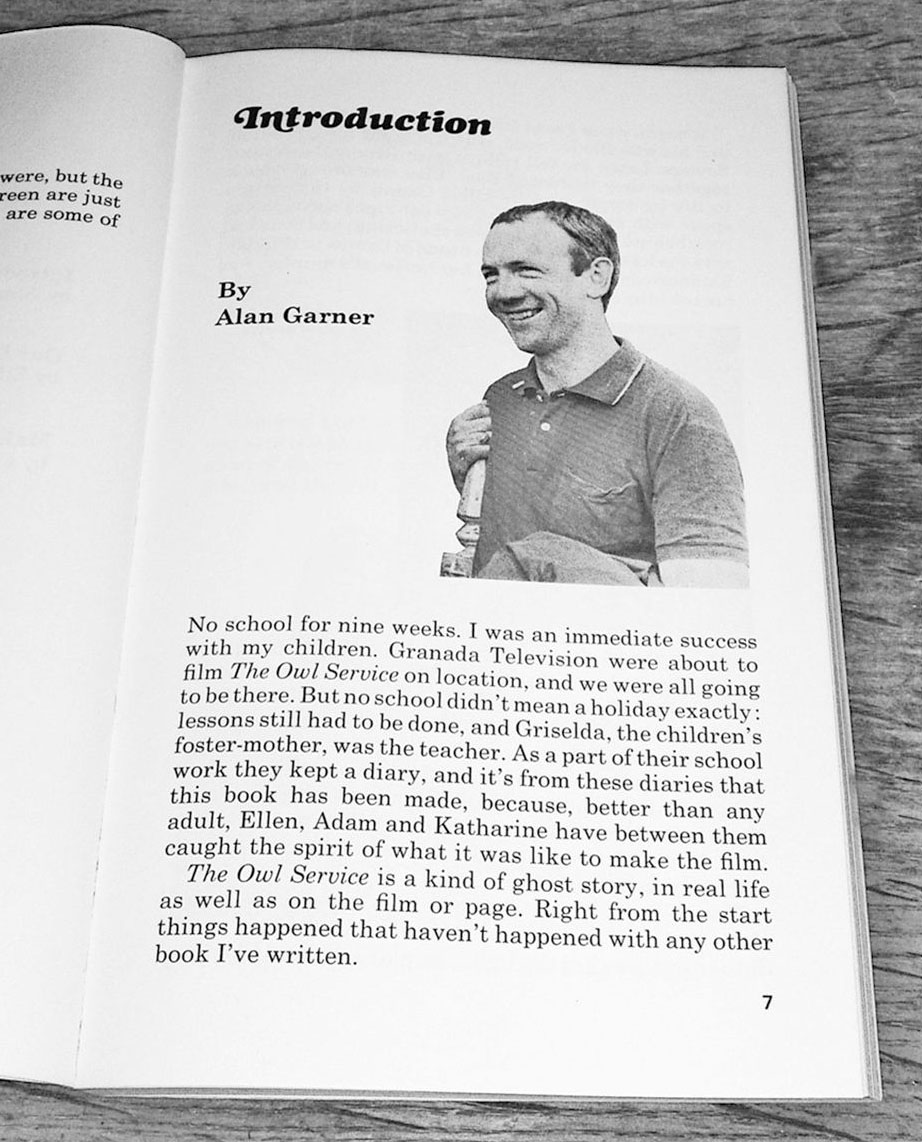
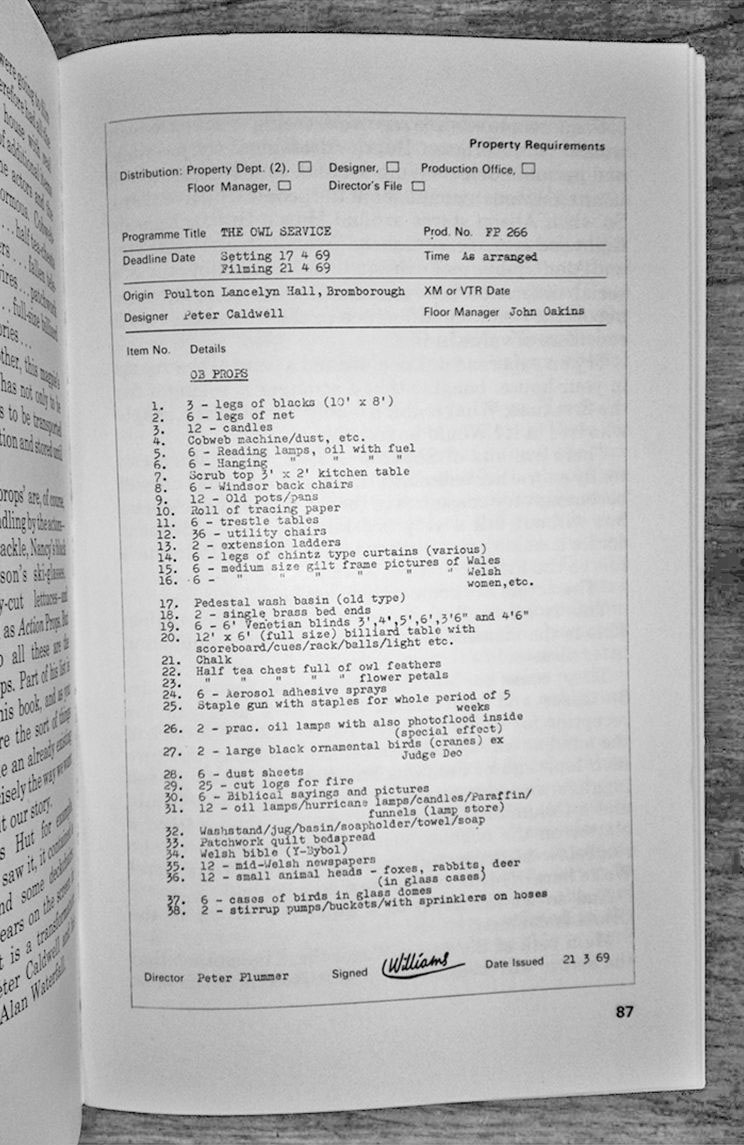
“The invasion of ancient folklore and myth into the present is a feature of many novels for ‘young adults’ of the late sixties and early seventies. There had been… the Alan Garner effect: in 1967 [his novel] The Owl Service redefined the remit of this type of writing, beyond ‘writing for children’, ambitious in the way it dealt with human emotions against an older, wiser and more powerful landscape. The stories were different because they were as rooted in everyday realism as the kitchen-sink dramas of British film… They existed against a particular sense of modernity at the time: heritage culture hadn’t really begun; things were either ‘old-fashioned’, or they were ‘modern’… [A possible name for this type of story could be] ‘British Ancient Landscape Hauntological Domestic Realist Wilderness’.” (Quoted from “Running with the Deer – 1971 in Children’s Literature” and “Appreciating Josephine Poole – Moon Eyes”, Jem, Whistles in the Wind (whistlesinthewind.wordpress.com), 2012.)
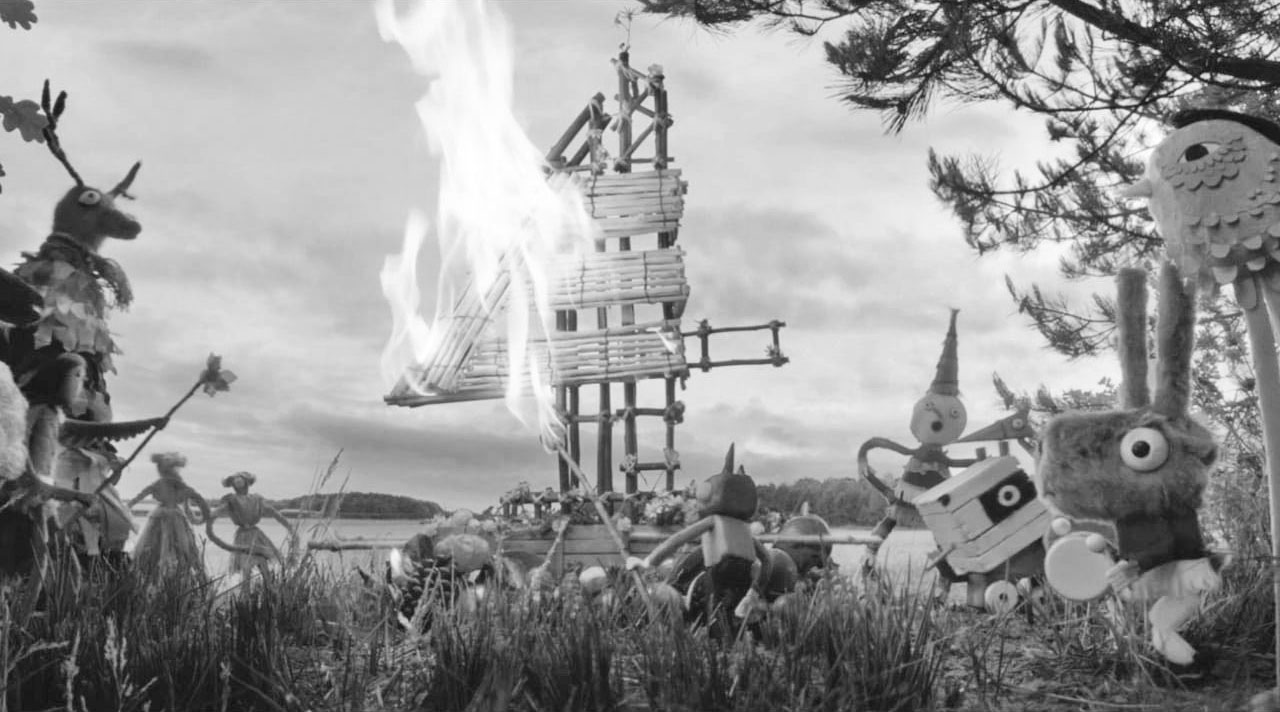
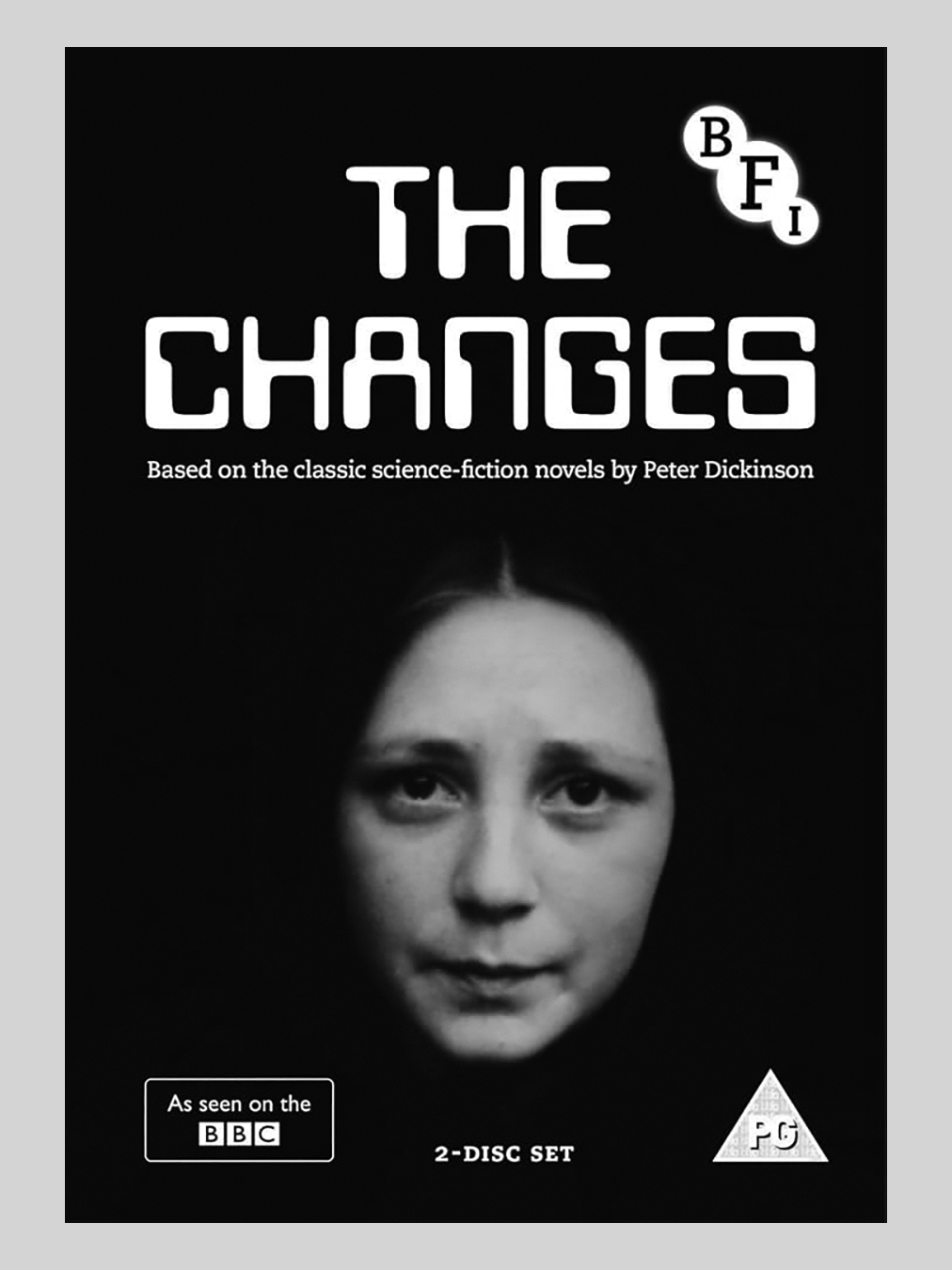
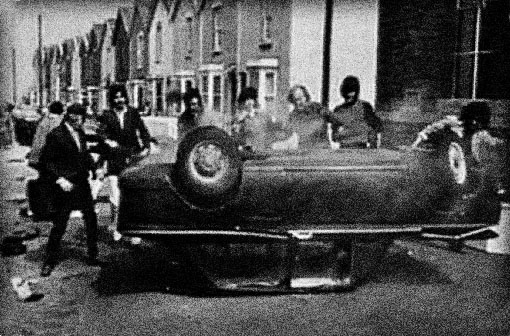
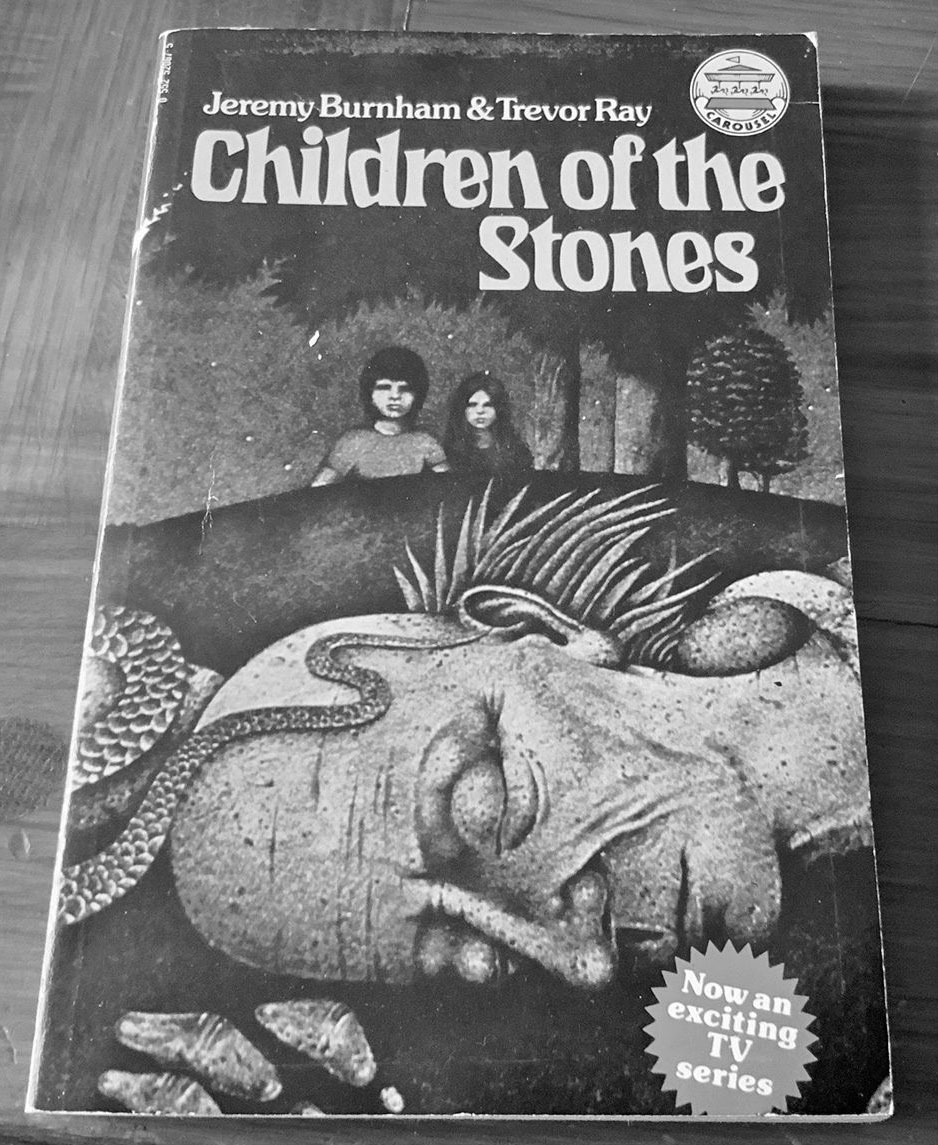
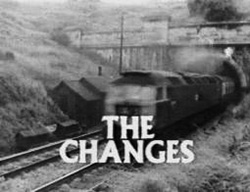
This “invasion of ancient folklore and myth into the present” in fictional young adult-orientated work was also a feature of 1970s British television drama including the likes of The Changes (1975) and Raven (1977), both of which in part draw from Arthurian legend, and in turn the television adaptation of The Bells of Astercote could be considered an example of such things, albeit perhaps one that was produced at a liminal point when related themes etc were disappearing from British television.
As a final point, interestingly, The Bells of Astercote is the actors who play Mair and Peter only credit on the generally comprehensive film and television database website imdb.com, as though they’re trapped forever guarding the chalice.
* * *
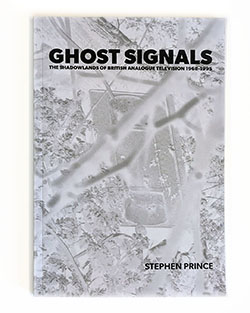
This post is an excerpt from the A Year In The Country book Ghost Signals: The Shadowlands of British Analogue Television 1968-1995.