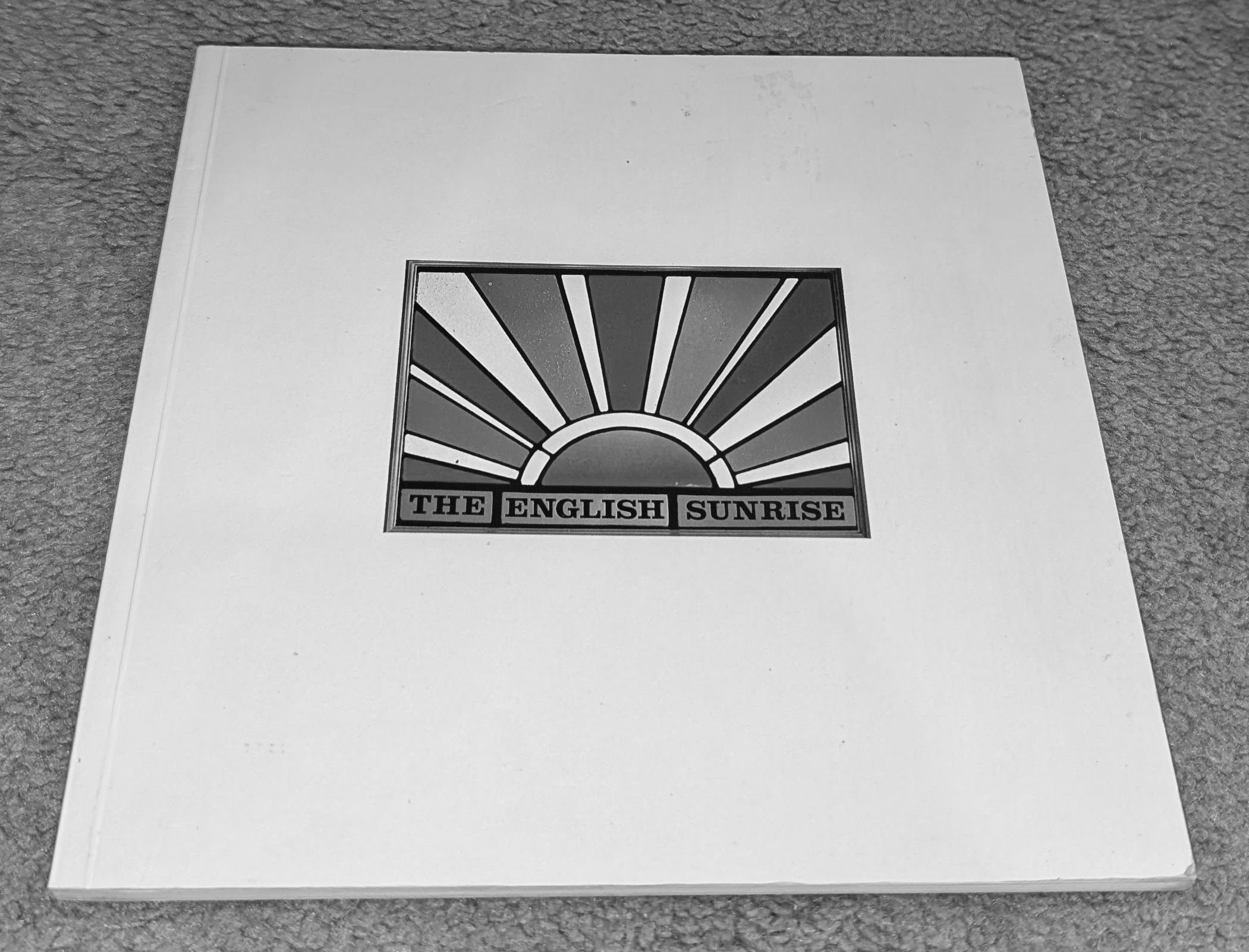
Brian Rice and Tony Evans’ book The English Sunrise, first published in 1972, collects together photographs of often day to day and relatively prosaic items, buildings etc that, all but one, are from England such as doors, windows, packaging, architectural features, household objects etc which feature a sunrise in their design.

I’ve previously written about the sense of accidental utilitarian art that can be found in the design of say electricity pylons and telegraph poles; the items in The English Sunrise interconnect with such things but lean further towards not so much accidental utilitarian art but often what could maybe in part be described as industrially produced folk art. In that sense they are probably closer to say some of the bus stops in Christopher Herwig’s Soviet Bus Stops books, such as the one above, which often feature ornate, extravagant etc designs that seem pleasingly at odds with their utilitarian purpose.
This is the 1986 reprint of The English Sunrise and apart from a page of standard publishing credits and a couple of pages that say where the photographs were taken and what they are of etc there is no other text in the book. In fact Brian Rice and Tony Evans’ names aren’t even on the cover and the publisher’s name seems to have only been added as a sticker on the spine after it was printed. There’s no printed price on the cover or inside either.
It’s not fully clear who took the photographs; they’re listed as being copyright of Tony Evans in the publishing credits but in the list of where they were taken often it says that they’re “Collection of…” or “Courtesy of…” but it’s not obvious whether that means that the photograph is part of somebody other than the author’s collection and/or if it means that the actual items in the photographs are part of somebody else’s collection etc. Alongside which, it’s not clear what part Brian Rice played in the book’s creation as other than being listed as its co-designer alongside Tony Evans and David Hillman there is nothing to indicate his other role/s. The most obvious explanation is that he possibly came up with the idea of the book or perhaps curated the selection of items and/or photographs but without more information that’s pure speculation of course.
All of which makes it something of an intriguing enigma as there’s no explanation of how or why the book came into being, what the impetus behind it was etc. However, perhaps in part because of the uplifting natural character that sunrises inherently contain, there seems to be a subtly arcadian sense to the book.
It’s also something of a snapshot of previous decade’s design, particularly for readers of a certain age, as a fair few of the photographs in the book show things which seem immediately familiar but which you haven’t noticed that they’ve quietly disappeared, or at the very least largely faded from view, as windows have been replaced and so on.
Anyways, without further ado, here’s a selection of images from The English Sunrise.
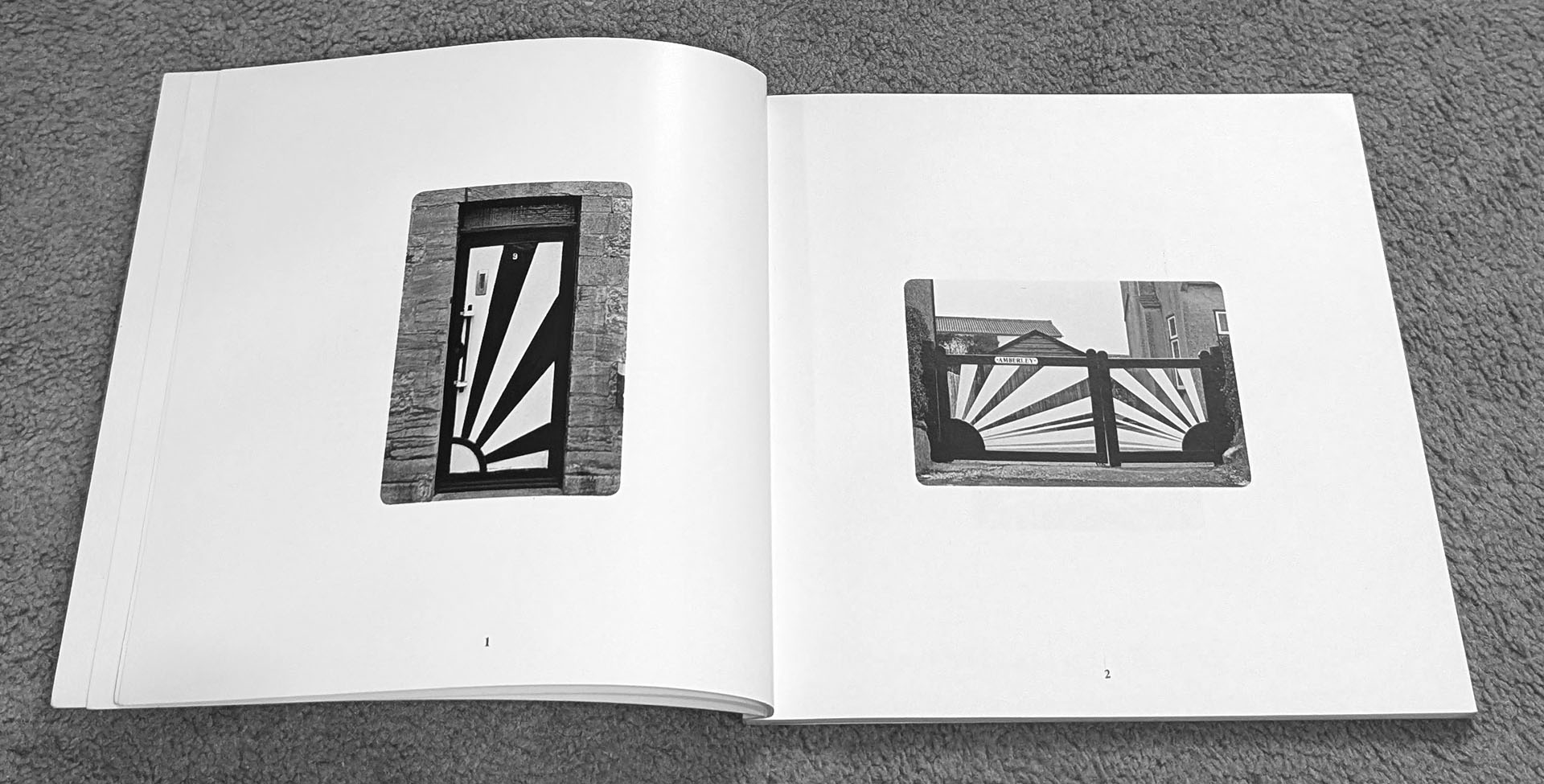
The first two images in the book, which are a fine opening salvo of sunsets.
In the credits it says that the left-hand one is a shop door. I wonder what kind of shop it was? Because of the close cropping of the photograph it makes it look as though the shop didn’t have any windows or a sign and that this door was the only thing on its frontage, which I like the idea of. It makes it seem like it was the door to some kind of mysterious or almost magical emporium that sold… well, who knows what? Perhaps if you stepped though it you’d bump into Mr Benn about to set off on one of his adventures (!) Or maybe it was a mod meets hippie dandy boutique known only to a select few?…
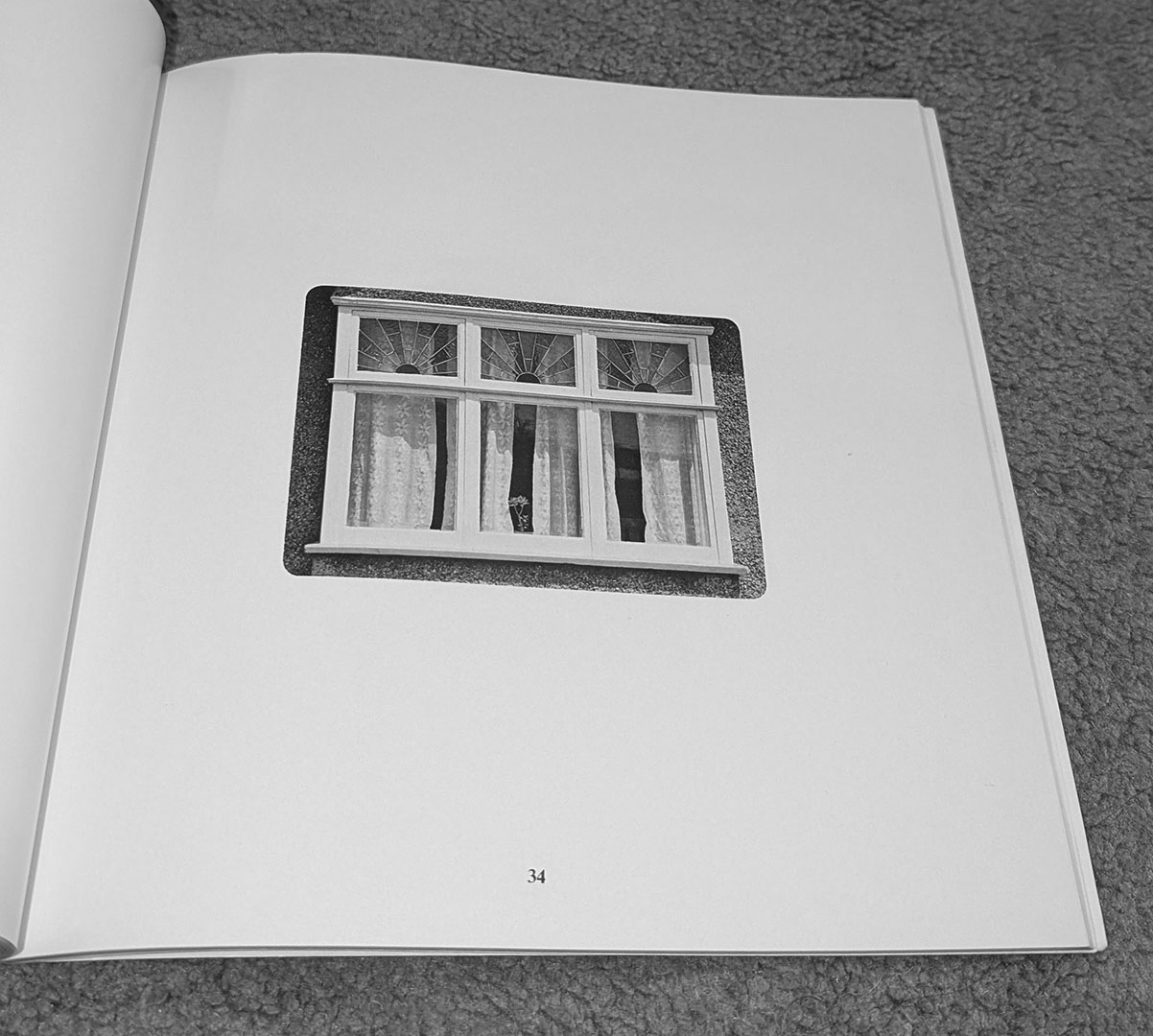
I used to see a lot of windows like this but as I in part mention above they seem to have quietly faded from view. There’s a quiet dignity to this photograph and the window somehow and for some reason that I can’t put my finger on. Perhaps even a sense of melancholy…
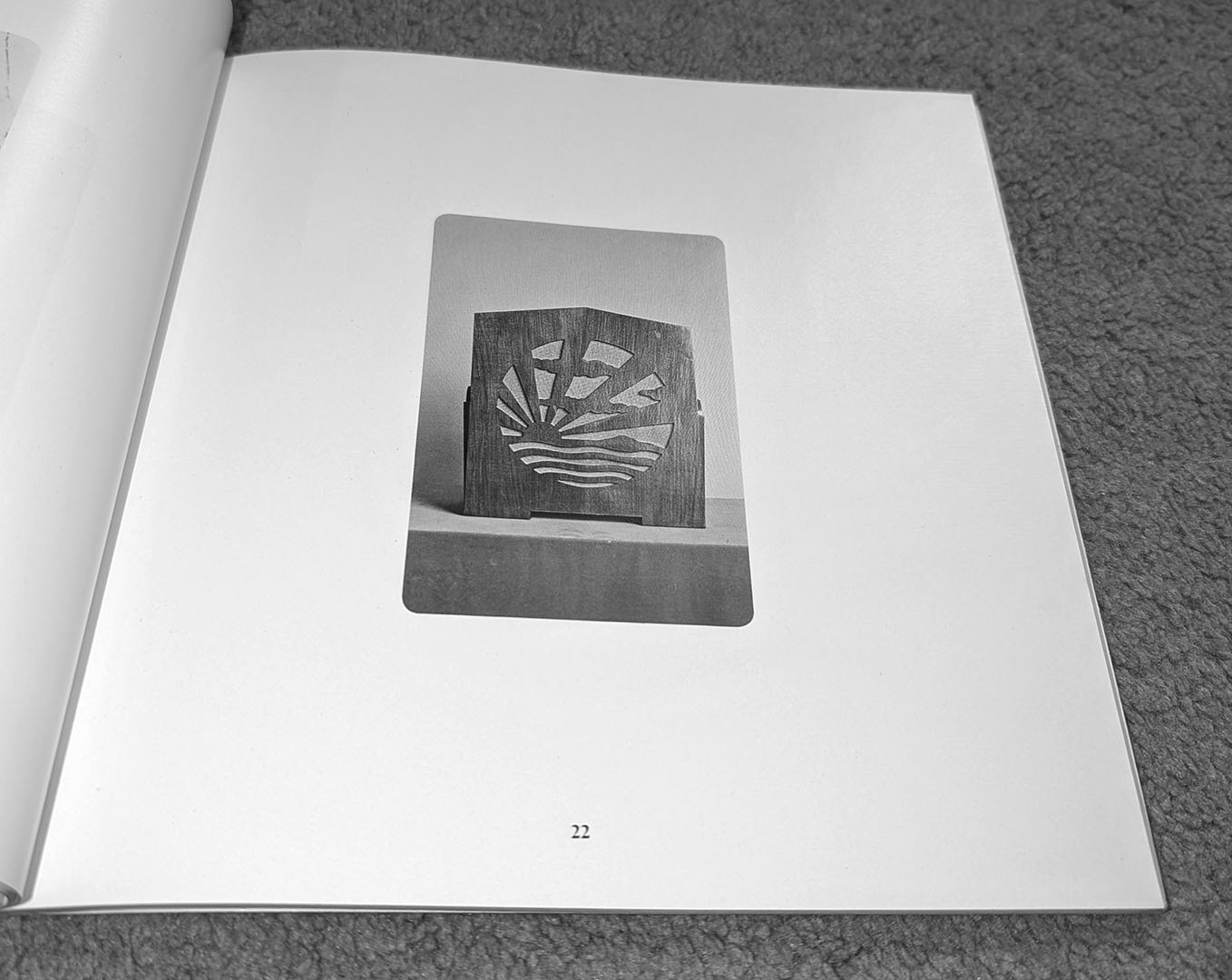
Something of a classic. Now if they made wooden cased radios that looked like this nowadays I’d probably be straight in the queue for one although I expect that whereas this was possibly a fairly normally priced item, if something like this was made today it would be a more niche pricey thing.
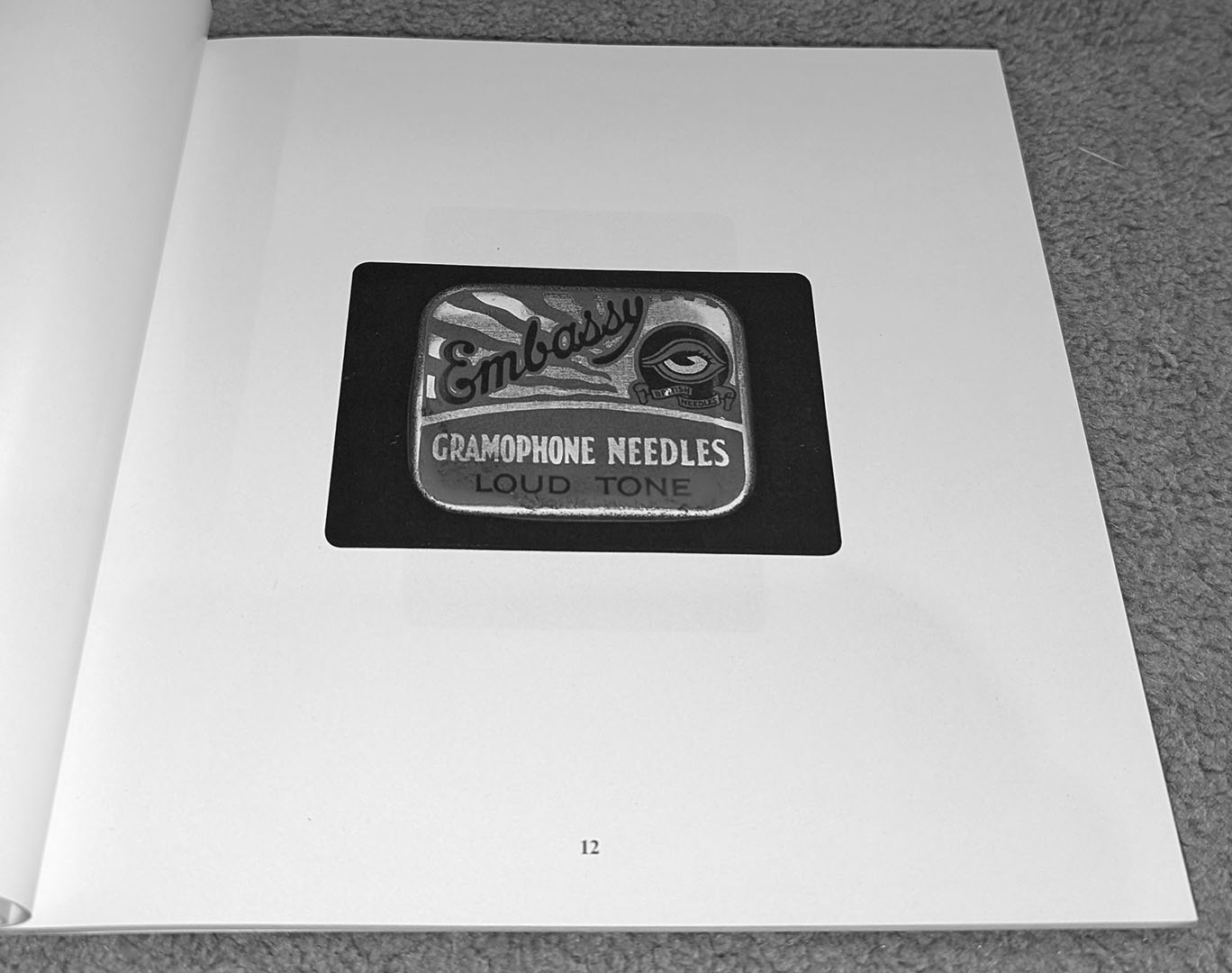
I’m rather taken by this gramophone needle tin box. There’s something almost Lovecraftian about the eye illustration that lends it a subtly eerie quality.
As it says on the tin these were “Loud Tone” needles; looking it up online apparently you could also get Extra Loud, Medium and Soft tone needles. Probably others as well. I wonder how much difference the differently toned needles made to the sound and did you have audiophiles discussing the merits and pros and cons of different types and brand etc as you do with record player styluses today?
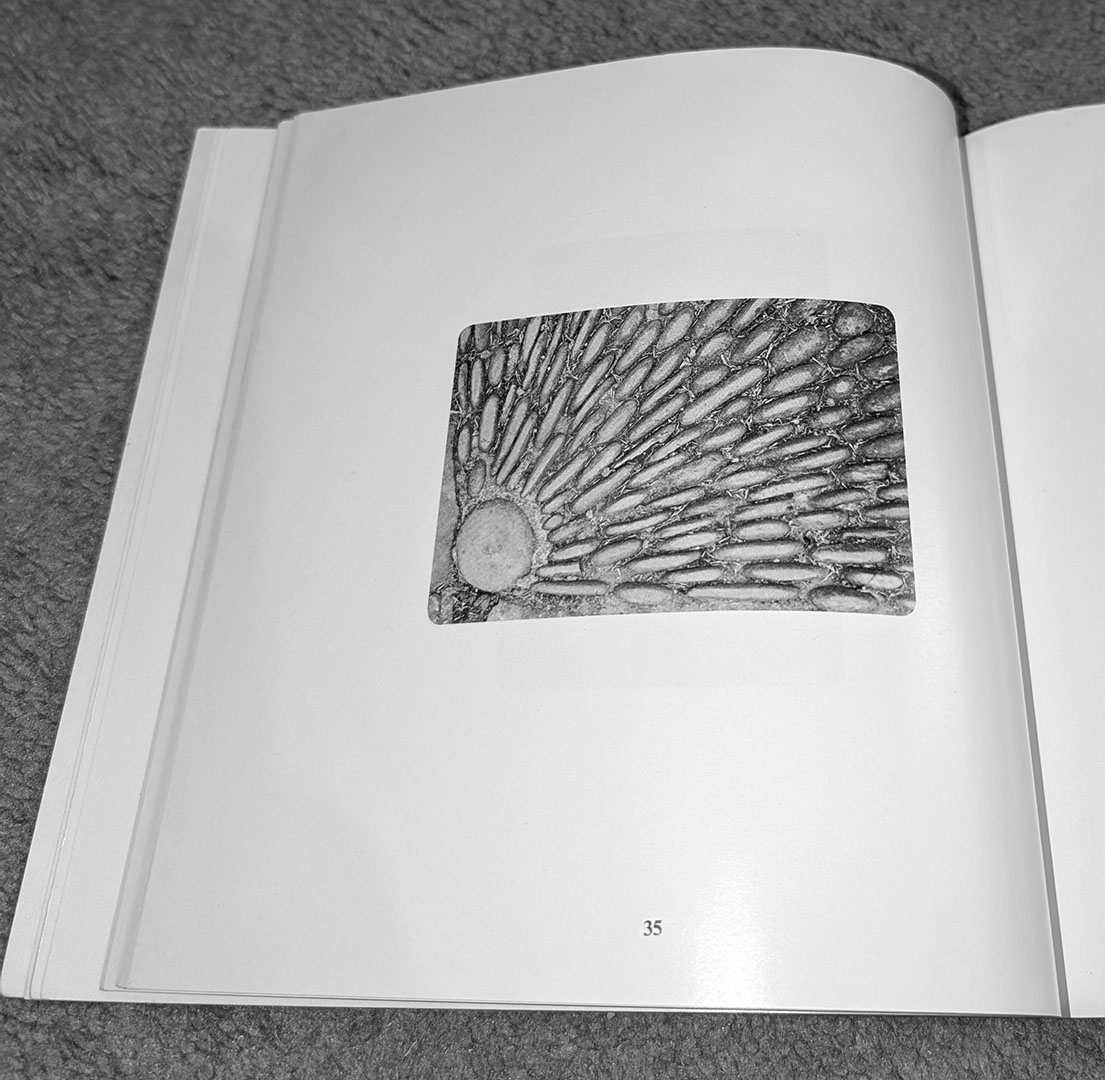
And while we’re talking about subtly eerie… I think this is probably the most “wyrd”-esque item in the book. I wasn’t sure what it was until I looked it up in the credits; apparently it’s cobblestones near former Prime Minister Lloyd George’s grave.
It’s also the only non-English item in the book.
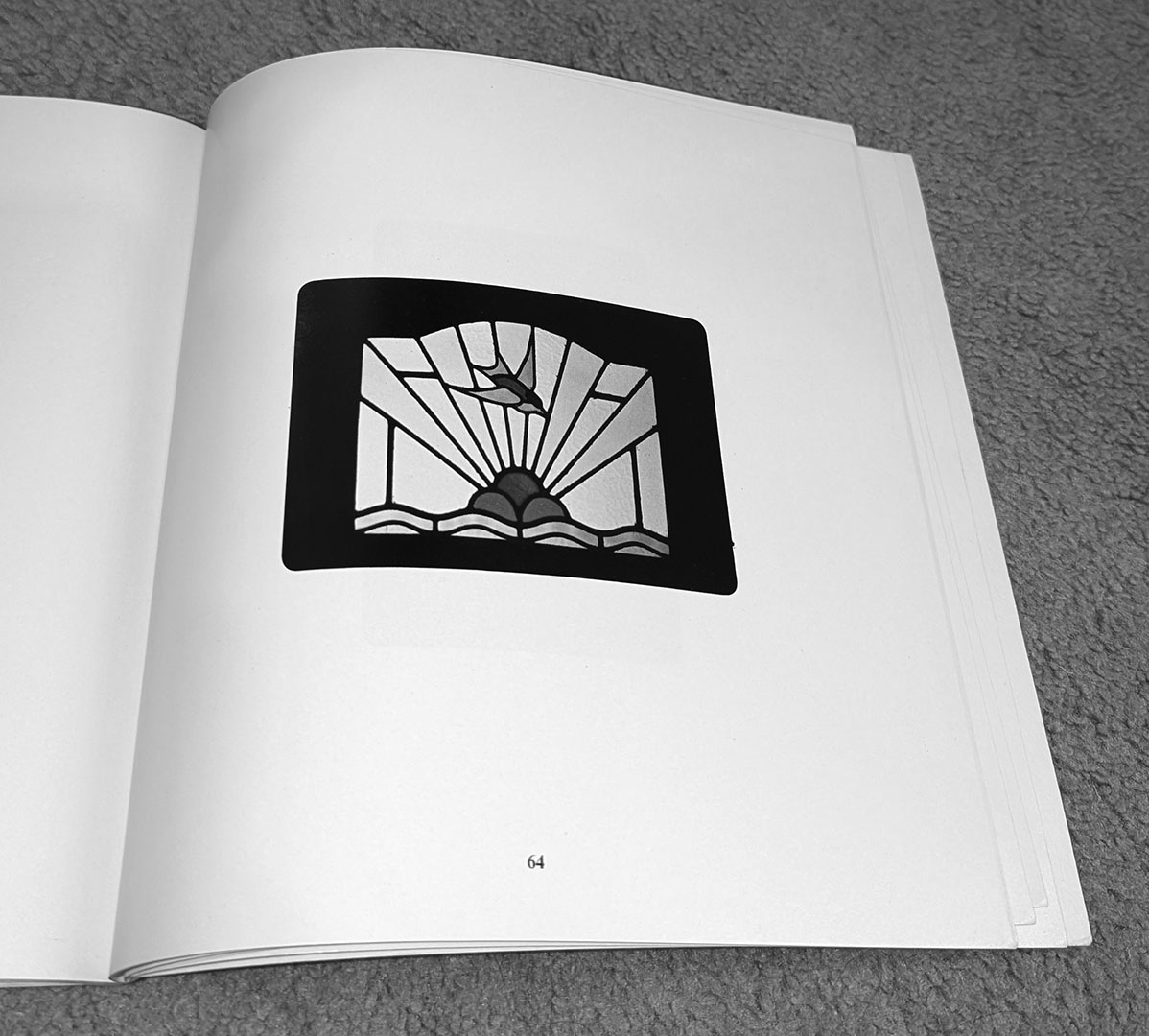
A classic window design of the sort that again once seemed fairly commonplace but which have faded from view.
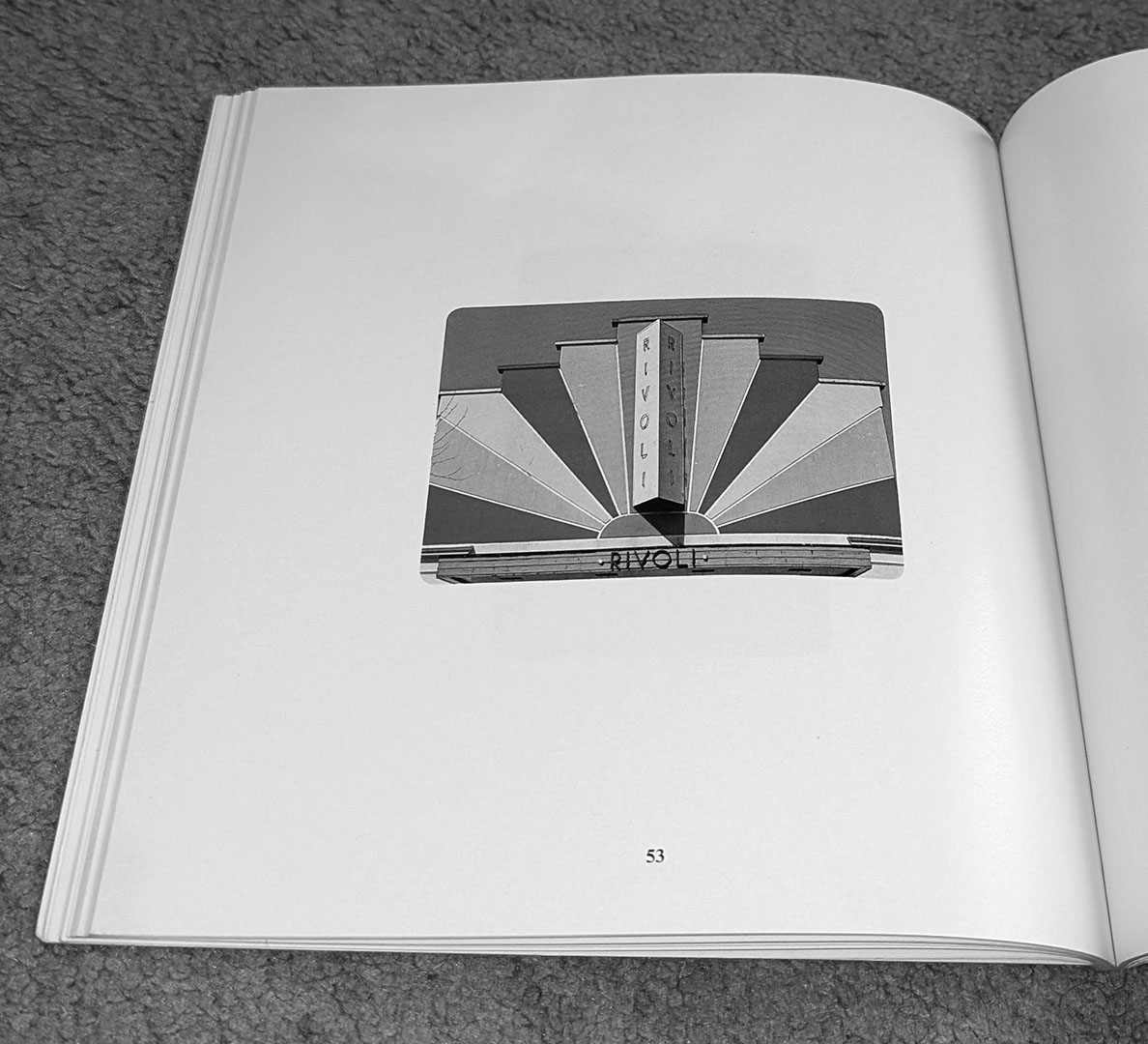
Now I’m wary of knocking people’s work but I think this cinema facade is a bit more impressive than a lot of contemporary utilitarian retail park situated cinemas. Even just looking at a photograph of it in the book makes cinema going seem like an event.
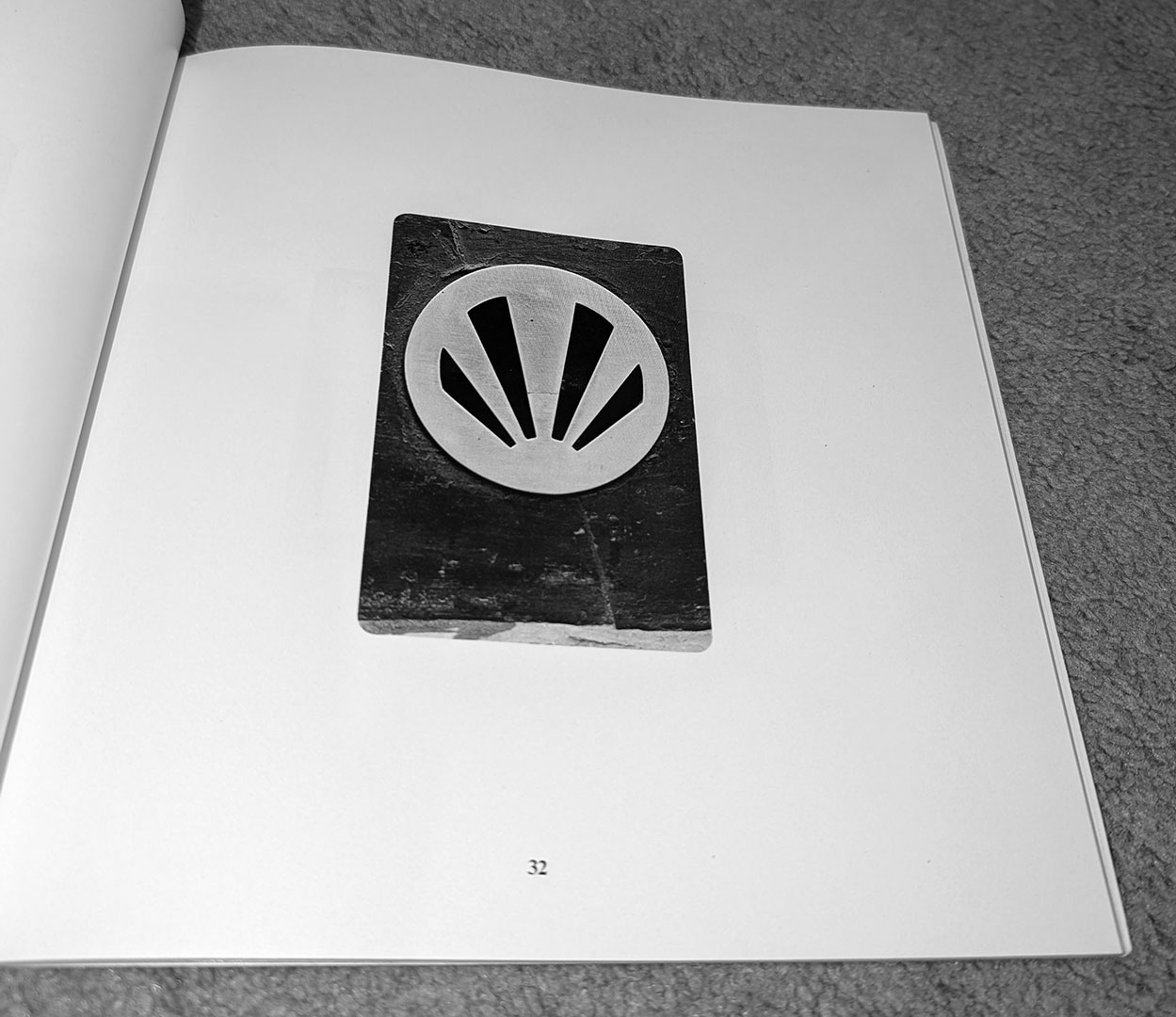
At first I thought this was another wooden cased radio, albeit of a simpler and much more solidly wooden cased design than the one above. Apparently though it’s a ventilator grill, although the credits don’t say what it was a ventilator for.
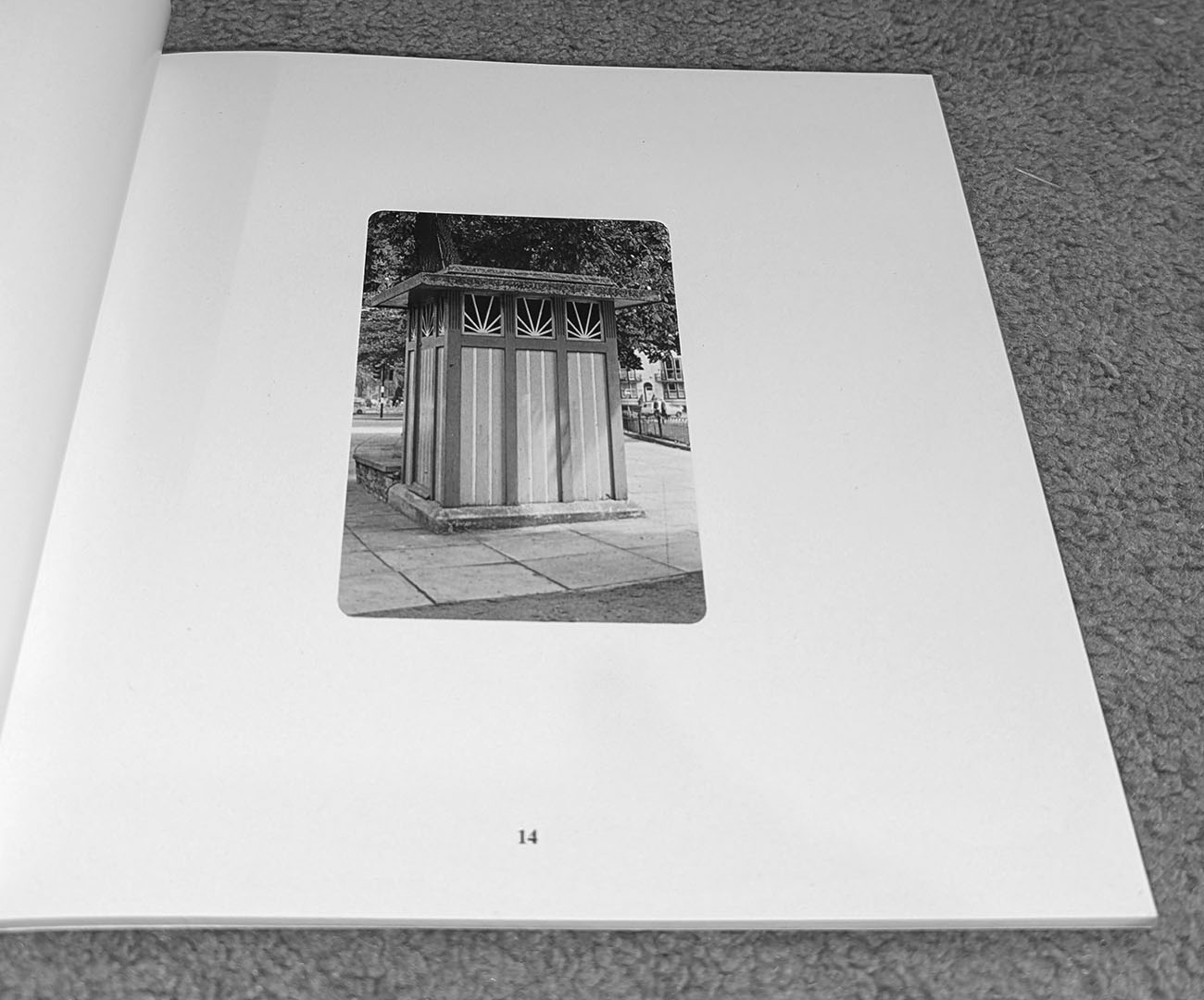
I’m not sure what this landbound TARDIS-like relative is. At first I wondered if it was a small public toilet? A folly? Something connected to public utilities? A police box of some sort? Looking it up in the credits it just says “Kiosk” but doesn’t explain what it’s a kiosk for.
The credits say it was in Brighton. I wonder if it still exists?