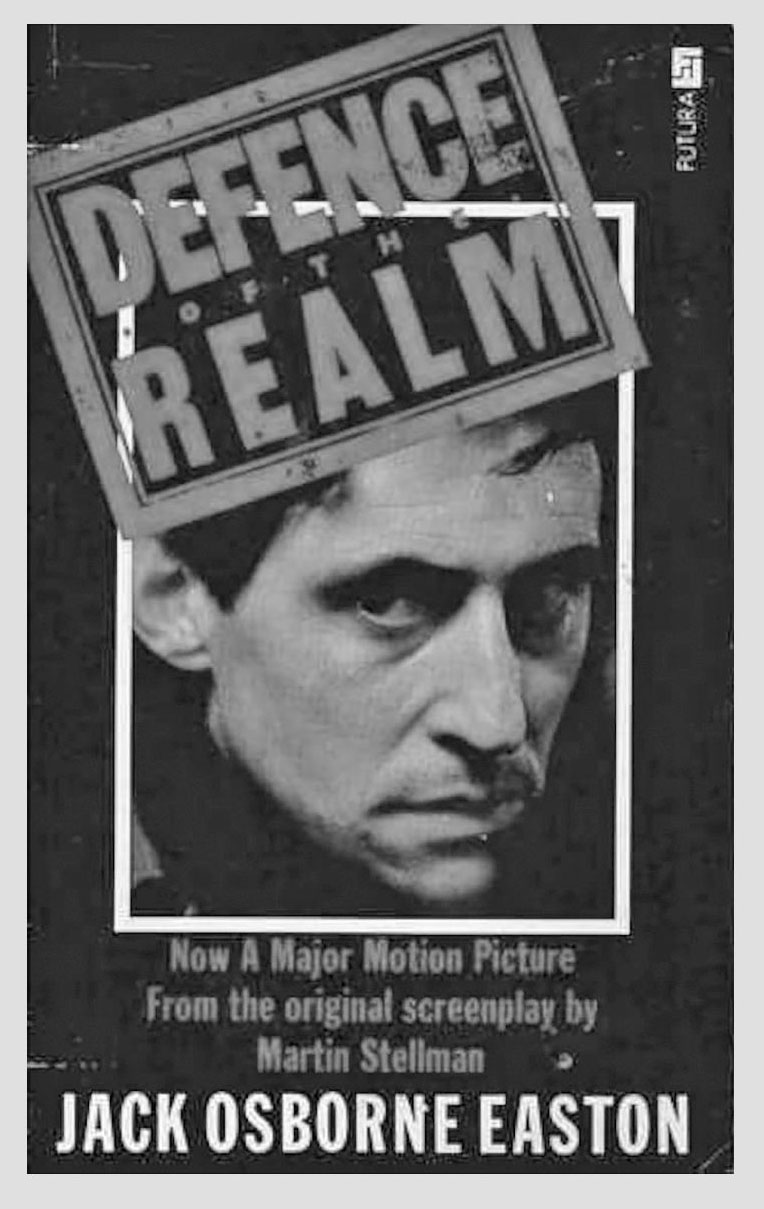
One of the recurring themes etc I’ve explored as part of A Year In The Country has been work such as Stephen Poliakoff’s Hidden City and Troy Kennedy Martin’s Edge of Darkness that can be seen as being part of the “secret state cycle” of British film and TV which often explored the shadowy, subterranean activities of the “secret state”:
“The ‘secret state’ thriller… [was] a cycle of paranoid [British film and television] in the 1980s which portrayed the intelligence services in a conspiratorial light, best understood as a reaction to excessive official secrecy and anxieties about an unregulated security service.” (Quoted from text which accompanied Alan Bolton’s 2018 book Looking-Glass Wars: Spies on British Screens since 1960.)
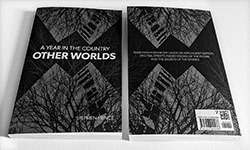
As I wrote in A Year In The Country: Other Worlds, in part, the attraction of such things may be that “hidden histories” etc explore secrets, and secrets are intrinsically intriguing to humans, as indeed often are unexplained mysteries. Accompanying which creative work that explores “hidden histories” etc often reflects worries, changes etc during the time in which it was made and so looking back at related work from previous decades can highlight and help to foreground such things…
All of which brings me to Defence of the Realm, which can be considered to be part of the “secret state cycle” of film and TV and which has quite possibly one of the most both bleakly shocking endings, albeit one that’s accompanied by a more upbeat coda, that I’ve seen…