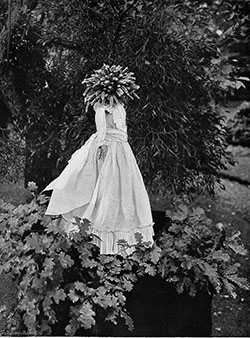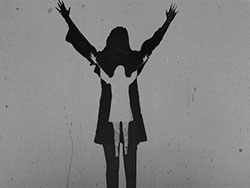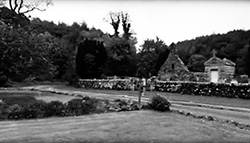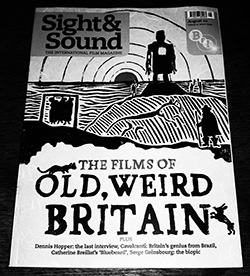
Folk horror is a cultural genre which as a cultural strand has created ever-growing reverberations and led to and/or inspired more recent work.
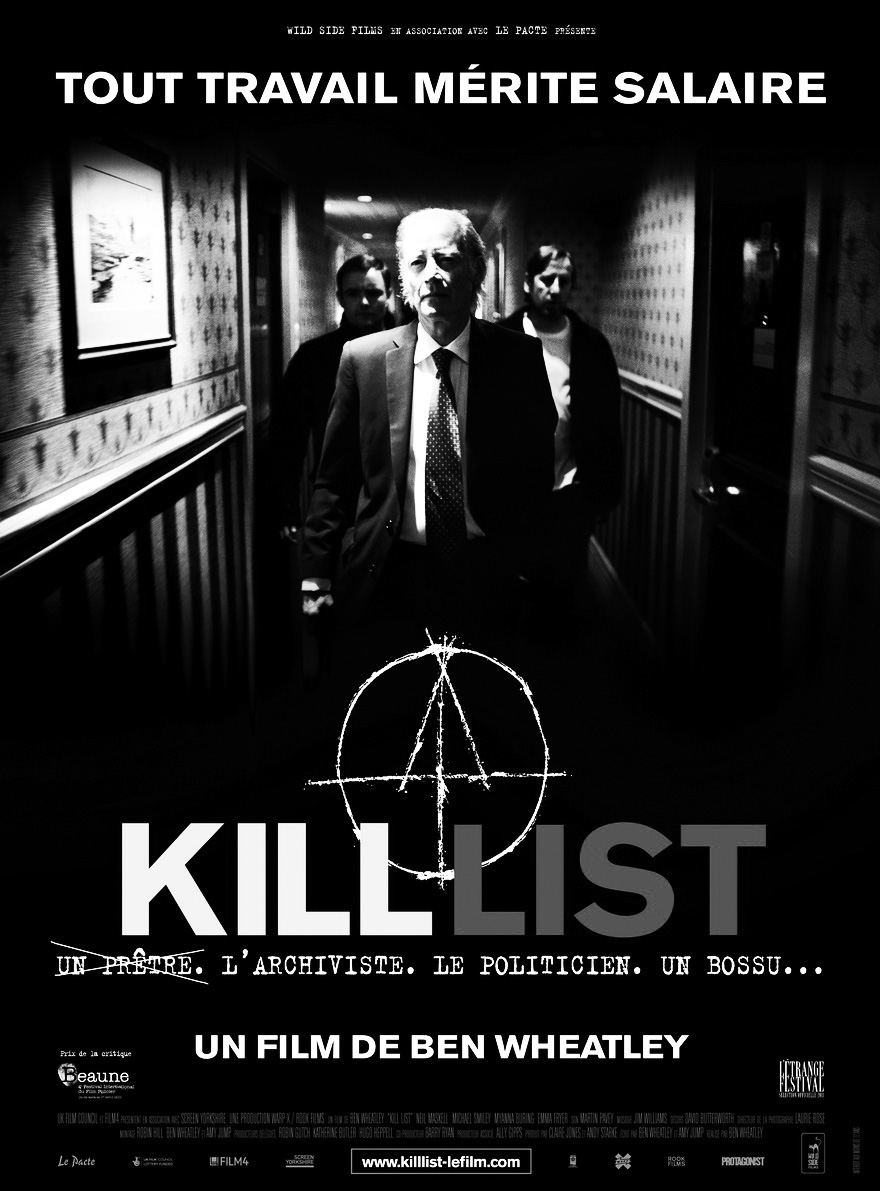
One such piece of work is Ben Wheatley’s thoroughly unset- tling film Kill List from 2011. As a film it is an intriguing, fascinating, inspiring and deeply unsettling piece of work. An online discussion about the film said “some pieces of culture are the thing that they purport to be about”; this is a film about evil.

Visually, if not thematically, it shares similarities with the grittier side of social realism British cinema. For a large part the world it represents, although about the lives of somewhat shady mercenaries, is presented in an everyday, social realist, kitchen sink manner.
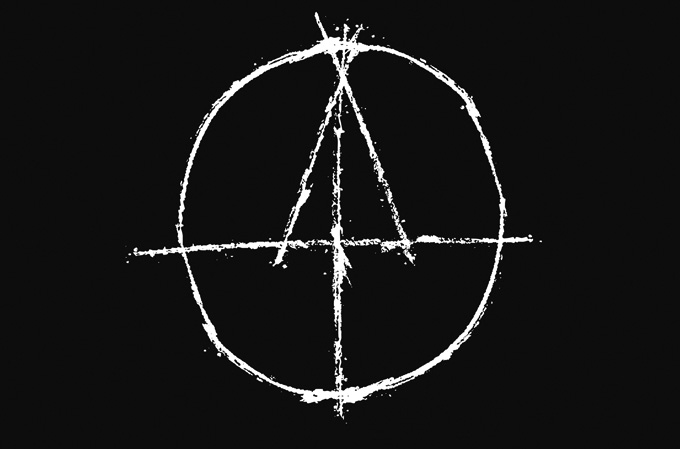
It does not feel like an esoteric otherly world, at least initially; people are shown having dinner, a couple argues about money and so forth. But something else lurks and creeps in; a symbol is scratched behind a mirror, a descent begins and the mercenaries are drawn into an arcane, hidden world and system.
In many ways the film feels like a sequel to 1973’s iconic folk horror film The Wicker Man, or at least of its direct lineage or spirit, exploring the themes of that film but through a modern-day filter of a corruption that feels total and also curiously banal; there is a sense of occult machinations and organisations but also of just doing a job, of the minutiae of it all.

Although initially set in more urban environments, the film travels to both subterranean and rural areas, presenting characters, folkloric elements and costume which seem to be descendants of or from The Wicker Man but shown through a very dark, nightmarish, hallucinatory contemporary filter.
Whereas in The Wicker Man the isolated society it presents is one set in a rural island idyll, in Kill List the abiding memory is a sense of the actions of the participants often taking place amongst empty, overcast, overlooked, neglected or discarded areas of capitalism and industrial society’s edgelands and hinterlands.
The film utilises tropes from more recent horror and possibly voyeuristic exploitational film but seems to layer and underpin this with what psychogeographic thought has called “the hidden landscape of atmospheres, histories, actions and characters which charge environments”; occult in both the literal and root meaning of hidden.
Mr Wheatley, you have made a fine piece of culture and have captured something indefinable, but it is not an easy piece of work to have around hearth and home…