Often war films are action and/or large-scale spectacle orientated but the two films discussed in this chapter, Resistance (2011) and Tank 432 (2015), take a different approach and instead focus on small groups of soldiers and are lower key in terms of their story telling. Accompanying which to a large degree while they are set in and around conflicts and military related operations in terms of their plots, atmospheres and so on only indirectly connect with conventional war films.

Resistance, directed by Amit Gupta and based on Owen Sheers’ 2007 novel of the same name, is set in an alternate history version of 1944 after D-Day has failed and Germany has invaded Britain.
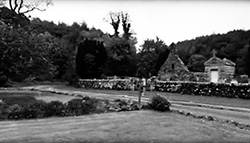
Rather than concentrating on the spectacle of military battles etc it is a relatively low-key film set in an isolated Welsh valley that contains a few small farming households, which are now being run only by the local women as all their husbands and the other local men have left to join the resistance.

The main rural setting of the film is at times shown to be a harsh place to live but it also contains a considerable amount of natural beauty which makes the arrival of German soldiers jarring and almost surreal and this is even more pronounced during a traditional local country fair which is emblazoned with Nazi Swastikas etc.

The German soldiers commandeer an empty farmhouse while they search in the area for a hidden Medieval map which is based on the real-world Hereford Mappa Mundi that it has been suggested is connected with an anti-Semitic leader of a religious cult in the 13th century. The German captain says somewhat disparagingly, which reflects his general disillusionment and personal lack of fanaticism with regards to his country’s rulers and their aims, that such artifacts are used by the higher echelons of the German state to justify what they do, i.e., the fanatical persecution of Jews.

While being very different in terms of eschewing spectacle etc, these aspects of the plot have similarities with Steven Spielberg’s pre-WWII set action-adventure blockbuster Raiders of the Lost Ark (1981) in which German soldiers and their accomplices hunt an ancient Biblical artifact in order to make use of its preternatural powers.
It also interconnects with one of the recurring tropes of folk horror film, that of isolated rural places enabling social norms to fall away. The German soldiers are removed from their army’s power structure which enables them to try and escape the horrors of the war by living a more normal life alongside the Welsh women who pragmatically accept their help on their farms. Ultimately though this proves to be an unsustainable idyll when the conflict inevitably arrives at their door and the film ends on an ambiguously hopeful but also desolate note.
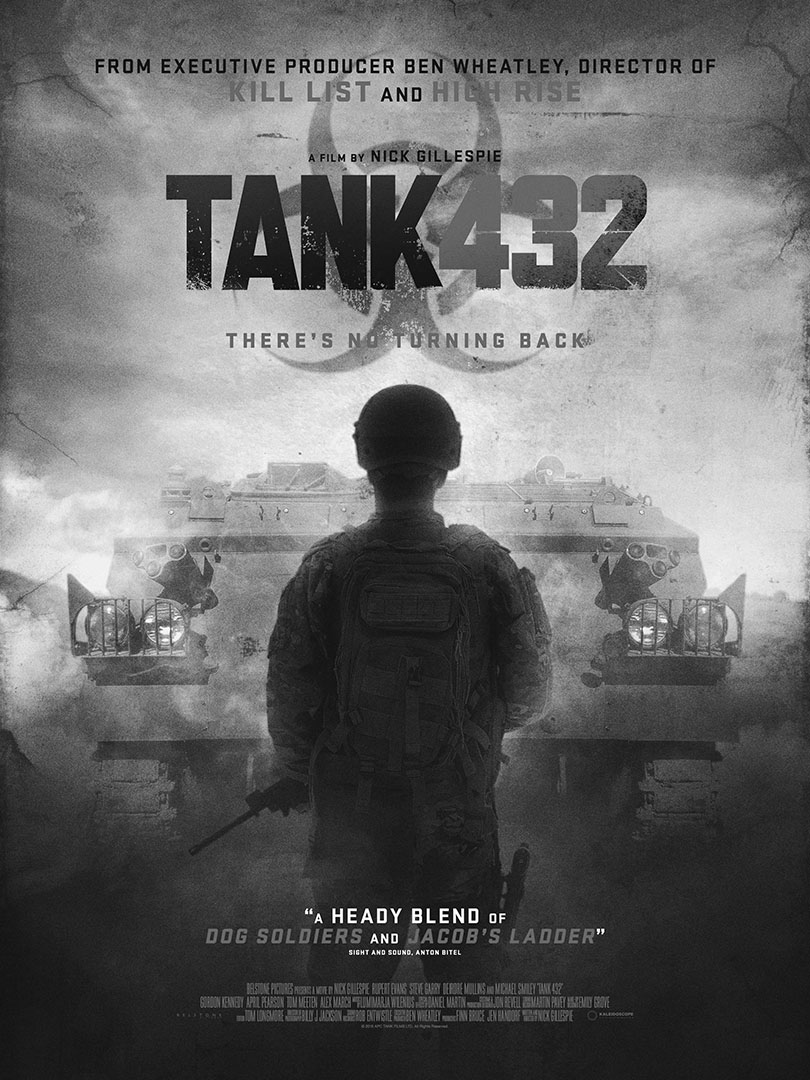
While Resistance is decidedly not a conventional genre film, Nick Gillespie’s science fiction horror film Tank 432 more directly utilises genre tropes but is still at quite a remove from conventional genre work.
Gillespie wrote and directed the film which is based on his short story The Smith Hill Forest Incident and it has been described as Dog Soldiers (2002) meets Jacob’s Ladder (1990) due to the way that it explores similar plotlines etc, including, as in Dog Soldiers, a small group of soldiers in an isolated rural area who are under attack from a mysterious or preternatural seeming external force and, as in Jacob’s Ladder, military experiments involving psychotropic drugs which have deadly consequences.
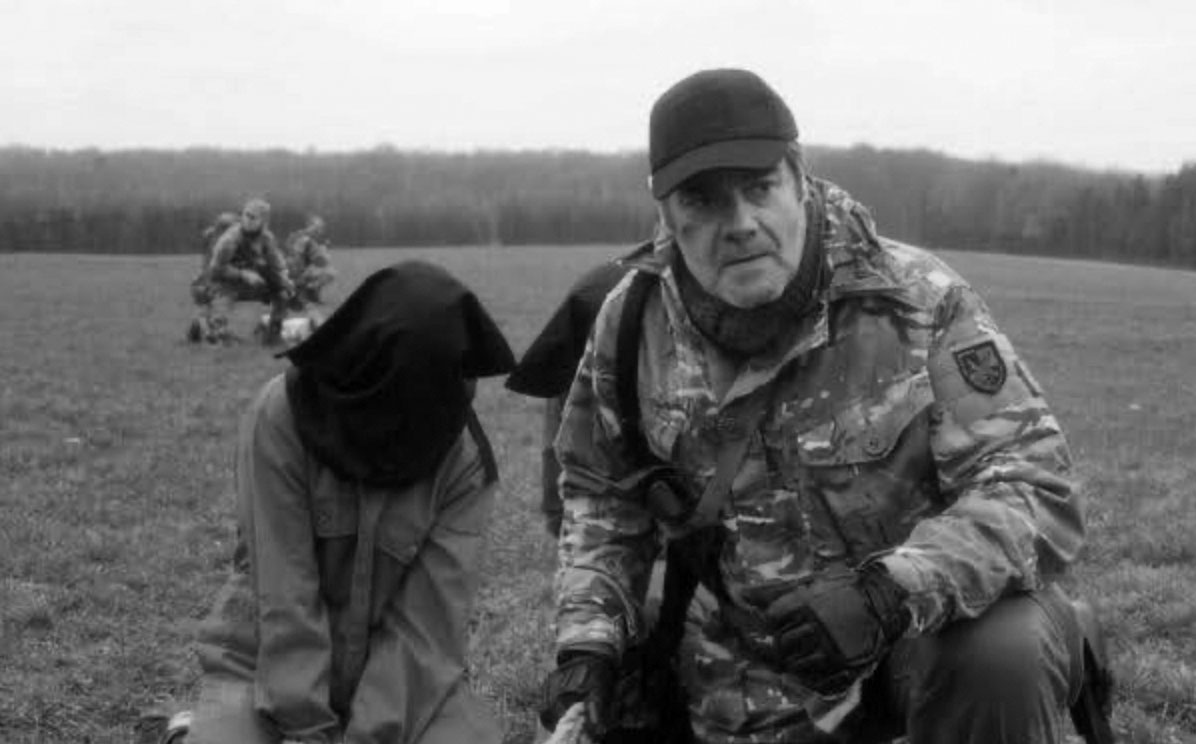
It is set in a seemingly deserted rural unnamed but probably British landscape and centres around a group of six mercenaries who are attempting to flee on foot from an unseen enemy while transporting two hostages. They eventually take refuge in an abandoned armoured personnel carrier where they become trapped and their psyches appear to unravel.
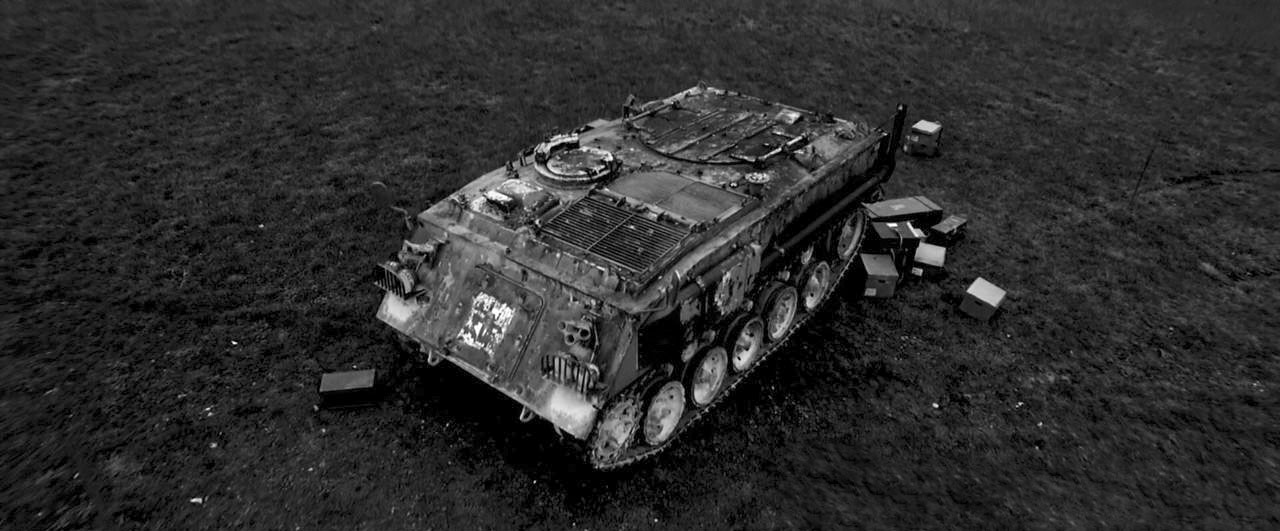
Little or no backstory is initially offered as to who their enemy is, how the mercenaries arrived in this isolated location nor what conflict they are part of is but various uncommented on details such as the orange detention suits of the hostages and the use of mercenaries on British soil imply that the film is possibly set in a dystopian near-future.
There are brief flashes of their “enemy” off in the distance, who have an otherworldly insectoid-like facial appearance and appear to be impervious to gunfire and until the end of the film it is not clear if they are real or not or even whether they are aliens or preternatural creatures of some sort.
Unbeknownst to them the group are part of an experiment in which they have been exposed to a form of drug via an orange powder of unknown origin which they repeatedly come across and which has also been placed surreptitiously in pills they take to help them sleep. The drug is being tested for its military application, which may in part be the heightening of aggression and while this is not made fully clear one of its effects in their case is that it causes them to hallucinate and become psychotic which leads them to turn on and kill one another.
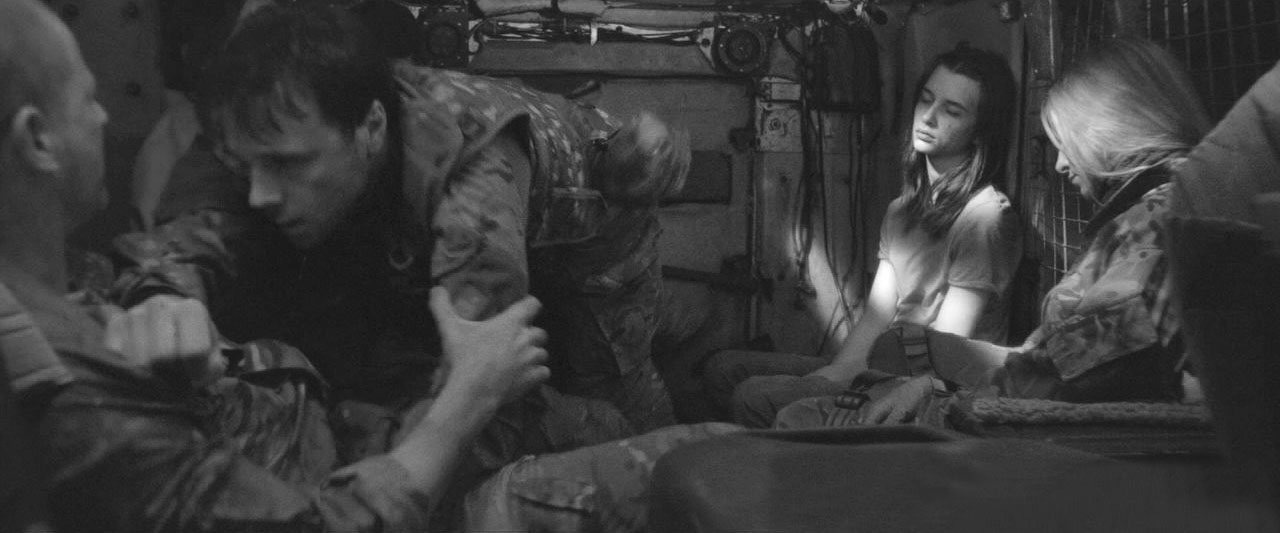
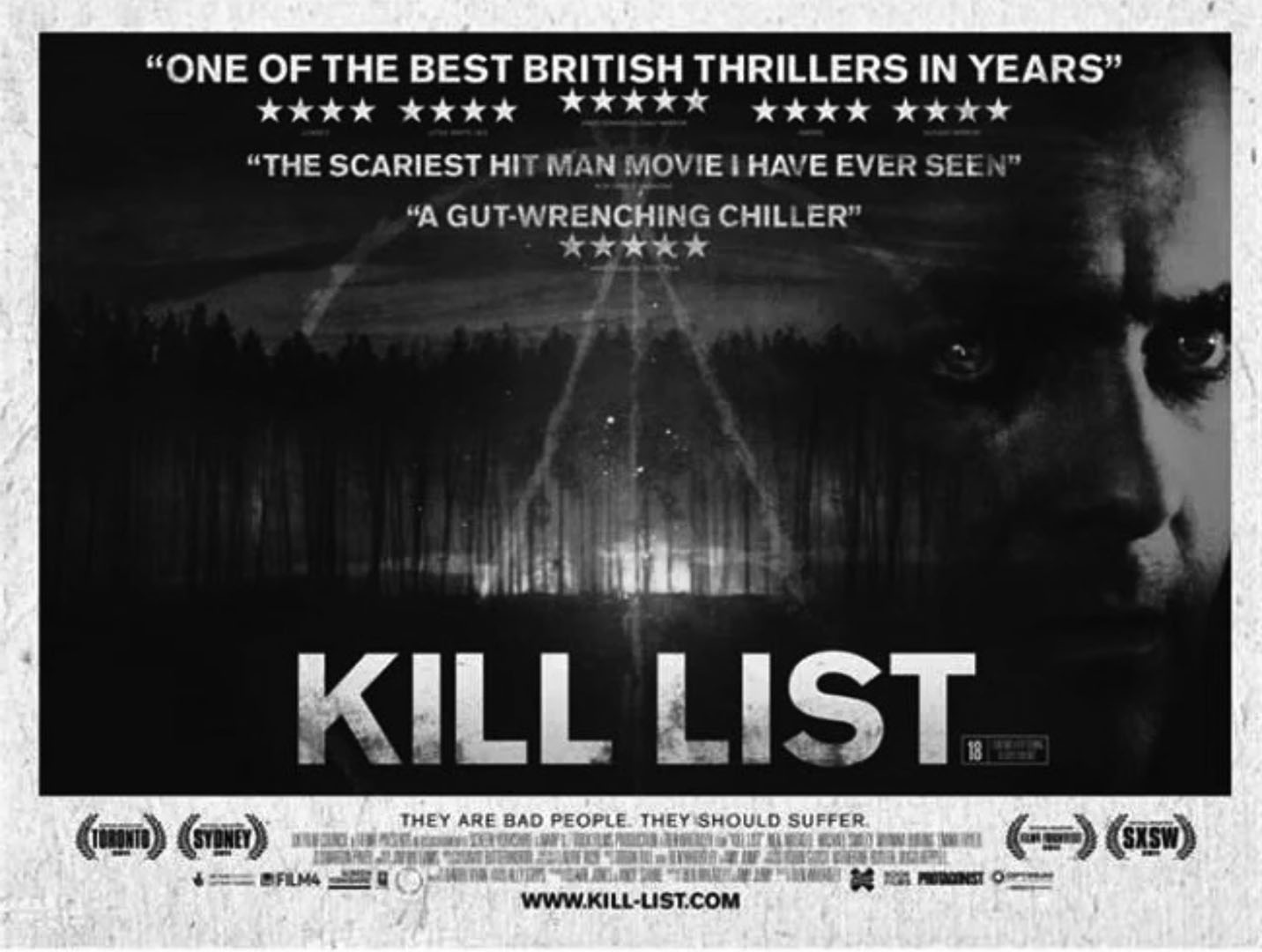
The film creates a hallucinatory, claustrophobic and hellish atmosphere within the, sometimes literal, confines of its story and combines genre filmmaking with more left of centre thought provoking aspects in terms of its distinctive exploration of the morality of military research and development. In relation to which it also has points of connection with an interconnected group of British filmmakers who often work in and/or draw from threshold areas of genre film and who have worked together in various capacities. These include, amongst others who are discussed below, Peter Strickland and Ben Wheatley, both of whom Tank 432’s director Nick Gillespie has worked with as, variously, a director of photography, cameraman and photographer and the latter of whom directed the unsettling occult edgeland set folk horror film Kill List (2011) and is also the executive producer of Tank 432, alongside having been one of the producers for Strickland’s The Duke of Burgundy (2014) and In Fabric (2018).
All three have also worked with Andrew Starke – with who Ben Wheatley alongside Amy Jump formed the production company Rook Films that produced Peter Strickland’s above-mentioned films – and who has been a producer on a number of the films they have worked on.*

This interconnected grouping of filmmakers could be seen as (loosely) following a path or lineage laid down by David Cronenberg whose work has often combined exploitation-esque and genre cinema tropes etc with a left-field, auteur-like character and an accompanying cerebral exploration.
Interconnected with which, Starke was a director and producer of the 1999 documentary series Eurotika! that was broadcast on the mainstream British television channel Channel 4.
This focused on and gave relatively early critical credence to films and filmmakers including, amongst others, Jean Rollin, Jesús Franco and José Ramón Larraz, whose work often contained exploitation-like aspects intertwined with auteuresque and left-field characteristics. At the time such filmmakers had not yet received all that much mainstream or respectable critical attention and the series could be considered to be part of their rehabilitation, which has led in recent years to related work receiving “serious” critical consideration, being released and promoted by the British Film Institute etc.
*Lines of connection could also be drawn between these filmmakers and John Carpenter’s film work; while this is generally more conventional and mainstream friendly than Cronenberg’s as with his work it has also often intertwined genre tropes with a distinctive auteur-like character. While in the films The Thing (1982), Prince of Darkness (1987) and They Live (1988) these aspects were also intertwined with respectively a notably non-mainstream friendly bleak nihilism, a layered and thought provoking exploration of arcane beliefs and a satire of the structures of power and consumerism.