Posted on

The Watcher in the Woods – Disney Darkness and Curiously Shadowed Side Paths of the “House of Mouse”: Wyrd Explorations 49

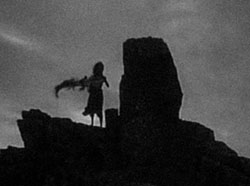
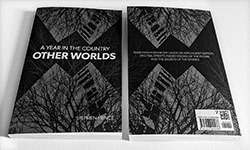
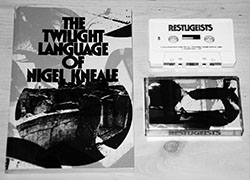
Once upon a time, Disney wasn’t the (almost) all-conquering, multi-franchise-owning media and entertainment conglomerate that it is now. Back in the late 1970s, it was struggling somewhat as its family-friendly films, which were in large part its bread and butter, were out of vogue. As a response, the corporation tried to create films for more “mature” markets and the young adult orientated supernatural horror thriller The Watcher in the Woods (1980), based on Florence Engel Randall’s 1976 novel A The Watcher in the Woods, was one of the results of this as was Something Wicked This Way Comes (1983) which was based on Ray Bradbury’s 1962  novel of the same name and which centres around a visiting carnival that by using supernatural powers grants a small town’s inhabitants their deepest desires but which come with a dark sting in their tale.

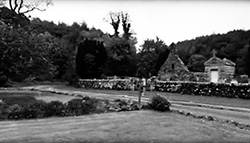
Set in rural Britain, the story centres around a family who rent a large old mansion-style house in the middle of a wood, after which the family’s two young daughters seem to variously be contacted, haunted, spied on and possibly even possessed by what may be the spirit of a young girl who had disappeared in the area decades previously.

In terms of genre, it is somewhat multi-layered and mixes elements and tropes of haunted house, ghost story, teen romance, family, slasher, folk horror and science fiction films. Alongside which it features, by today’s standards, often fairly simple practical effects, but these are generally utilised well, particularly during the depiction of unexplained supernatural seeming events involving mirrors and windows which in turn help to create a strong sense of “spook” in the film. Accompanying these elements, elsewhere, some unknown presence seems to be watching the family from the woods, and the use of point of view shots in these sequences contain a notably effective sense of menace and threat.

At times, the film is genuinely unsettling and tense and features a number of effective jump scares, but equally it seems to be straining against restrictions placed on it by Disney’s background in family-friendly fare in terms of how darkly toned it could be and reflecting this it had a mixed and contrasting production background.

The film’s co-producer Tom Leetch is said to have pitched the project to Disney executive Ron Miller by suggesting that it “could be our Exorcist”, although Leetch and Miller are said to have subsequently battled over their differing visions for it, with the former wishing to keep its darker tone and the latter wanting to make it more family-friendly.1 However, that the studio went ahead with the production after Leetch saying the above implies that initially it, or at least Miller, were open to making a much more adult and even unsettling film.

Others involved in its production had, in part, notably non Disney family-friendly credentials: the original screenplay was written by Brian Clemens, who amongst many other productions had previously variously written, produced and/or directed the likes of the iconic and at times surreal pop art-esque secret agent television series The Avengers (1965-1969) which is generally fairly family friendly but he also directed the swashbuckling horror mystery Captain Kronos: Vampire Hunter (1974) and the stalker thriller And Soon the Darkness (1970), the latter two of which are most definitely adult orientated. He also created and scripted the majority of the anthology British television drama series Thriller (1973-1976) which often featured notably adult plots and events that included murder, unsettling supernatural occurrences etc.
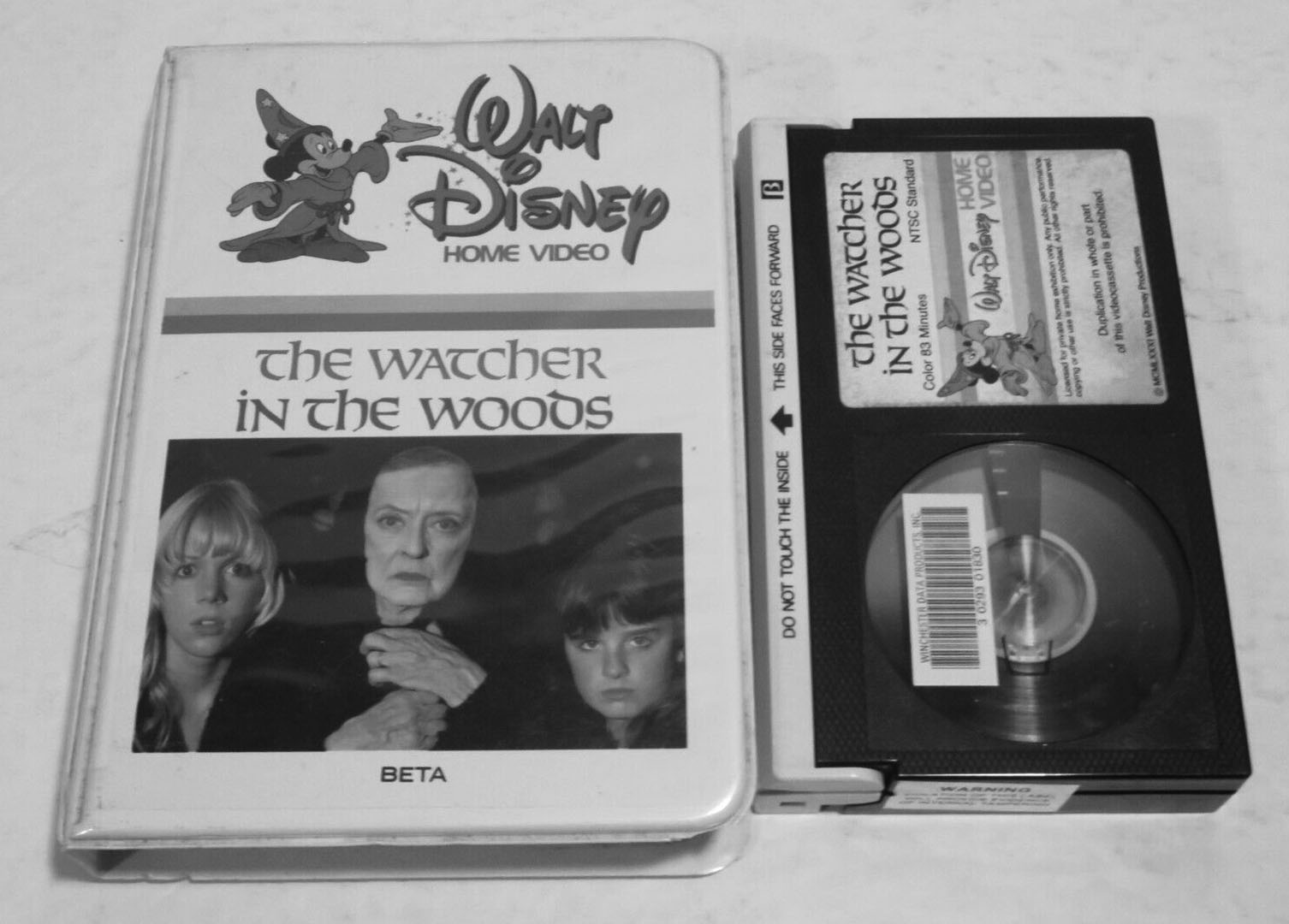
It was in large part directed by John Hough, who had, to a degree, a background in more traditional Disney fare as prior to making The Watcher in the Woods, he had also directed the two Disney paranormal family-orientated films Escape to Witch Mountain (1975) and Return from Witch Mountain (1978).

However, he had also previously directed the occult horror Twins of Evil (1971) and haunted house horror The Legend of Hell House (1973), which are very adult-orientated. It was after seeing the latter of these that Miller chose him to direct The Watcher in the Woods, which seems like something of a curious choice when it is considered that Miller would later try to make the film less dark in tone.

The family’s mother in The Watcher in the Woods is played by Carroll Baker, a now-retired American actress who had a highprofile during the 1950s and part of the 1960s but who, after various contractual disputes with film studios was effectively blacklisted in Hollywood and moved to Europe in order to find work. She subsequently appeared in a number of adult-orientated Italian giallo-related thrillers, including exploitation and horror films in the later 1960s and early 1970s, which often showed her in nude scenes. With this in mind, even taking into account that Watcher in the Wood’s director was a long-time admirer of her work, it is perhaps a little surprising that a family-orientated studio like Disney accepted her for the role, which in turn adds another intriguing layer to the film and its production.

Clemens’ screenplay for The Watcher in the Woods was reworked due to Disney executives considering that it and the film as a whole was “too dark and threatening and black” and also an opening unsettling title sequence that was filmed which featured a young girl’s doll which is set on fire by an unexplained preternatural force was cut for similar reasons. The original version of the film was withdrawn from cinemas after receiving a negative critical and public response due in part to its plot being considered too confusing, and a re-edited version with a different ending directed by Vincent McEveety was released, which is the version used for all subsequent home releases.
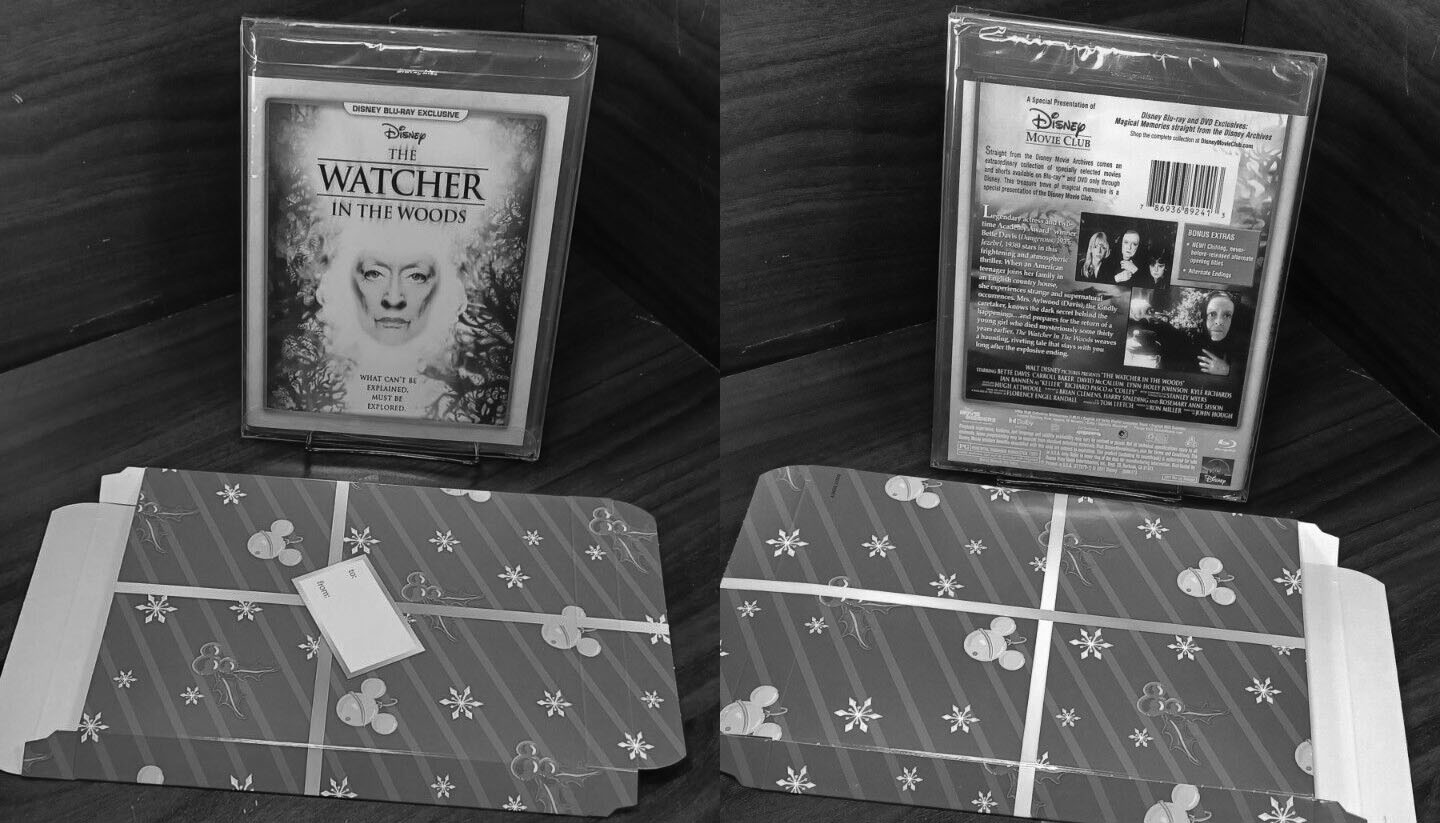
(Above: Disney Movie Club exclusive Blu-ray release and its gift presentation packaging – released in 2021.)

As with the iconic folk horror film The Wicker Man (1973), no full, complete, definitive version of The Watcher in the Woods seems to exist, nor indeed could any version be said to be, and watching it with knowledge of its production is an intriguing experience where it is almost as though you are viewing the shadowed phantom of an adult orientated folk horror film filtered through a many-faceted prism. However, in notable contrast with The Wicker Man, there have been no successful attempts to piece together and release a more “complete” version, and it has been suggested by a consultant who worked on the 2002 Anchor Bay Home Entertainment DVD release of the film that Disney have held back the release of a more darkly toned version which is closer to the original vision for the film due to it not fitting with the Disney brand. Accompanying which, at the time of writing, it is not available to legitimately stream in the UK nor US on either Disney’s own streaming platform nor anywhere else, although it has had various physical home releases.

It seems somewhat as if the original darker vision for the film is something that the corporation would rather forget about or perhaps just doesn’t know quite what to do with.
Posted on

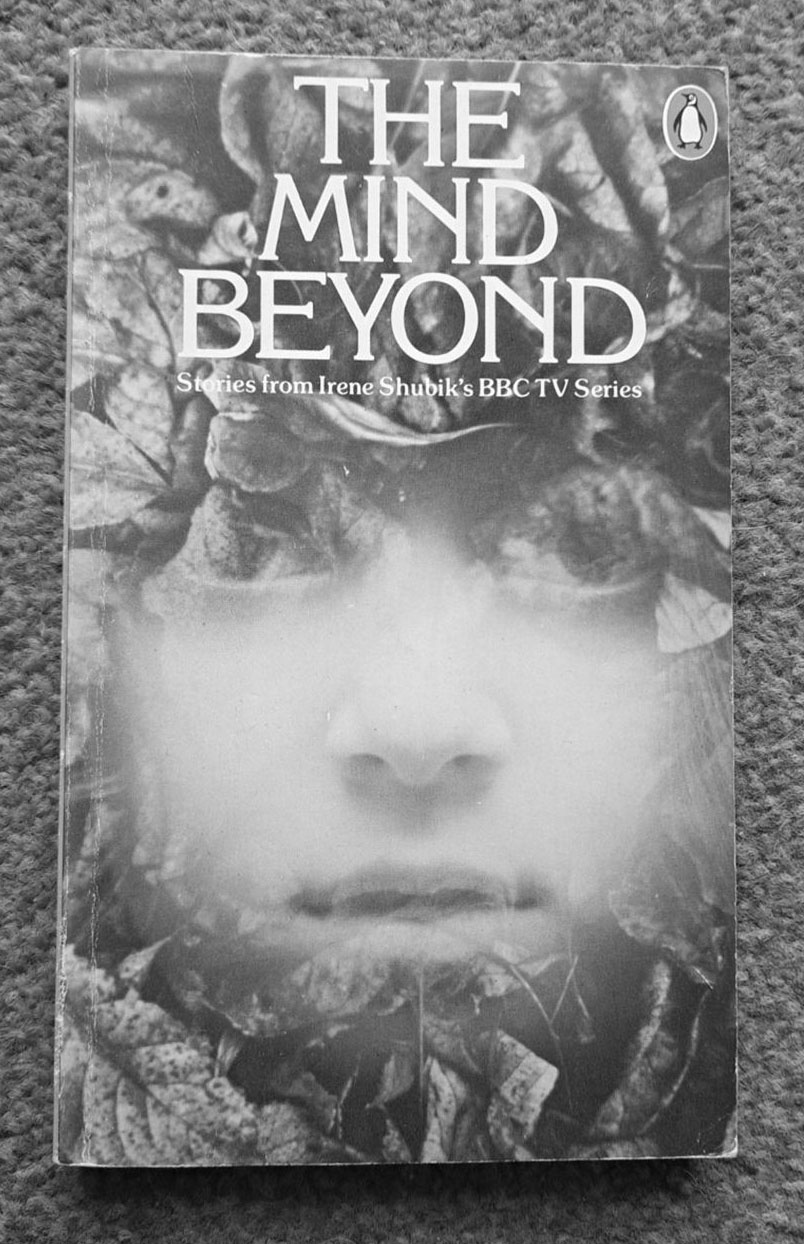
Irene Shubik’s The Mind Beyond: Film and TV Tie-In Books Collector’s Series No. 14

The Mind Beyond Irene Shubik TV tie in book

One of my favourite quotes from Irene Shubik’s short story adaptation of The Mind Beyond episode Stones:

“After all no one had ever explained the meaning of [Stonehenge]. One minute it was a Roman Temple, then a Danish burial ground, a Druid place of sacrifice, an English pyramid, a launchpad for spaceships, a radio telescope, an intergalactic signal… the latest theory was that it was a simple old communal centre.”

Posted on

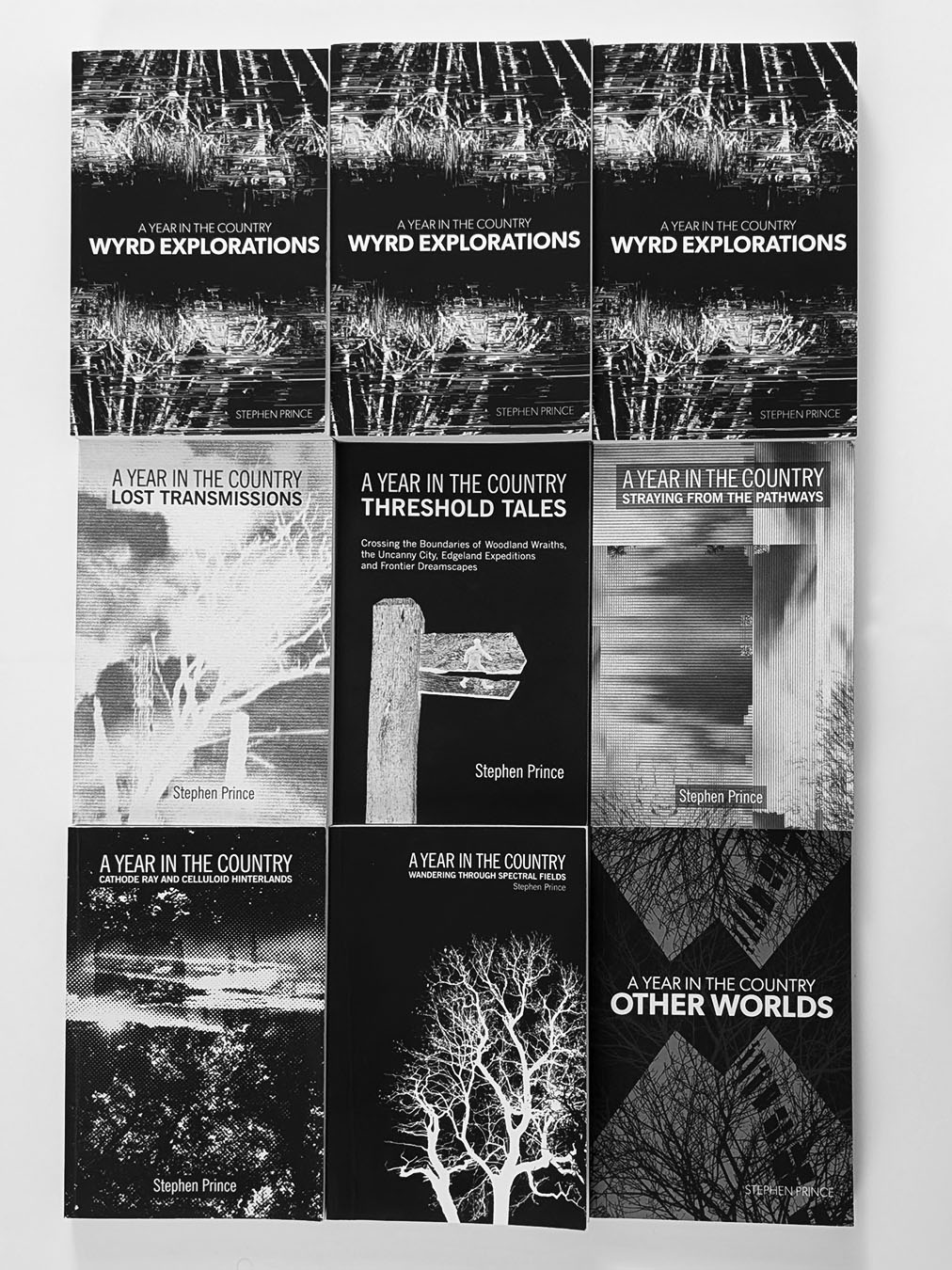
A Year In The Country book sale

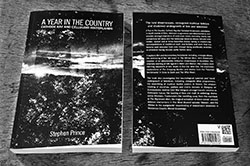
A Year In The Country-Front book covers-Stephen Prince

All the A Year In The Country non-fiction paperbacks and ebooks are currently available at reduced prices at Amazon and Lulu and have between 30-60% off their normal prices. View them at Amazon UK via this link and at Lulu.com via this link. 

They are also available at Amazon’s other sites around the world, including at the Amazon US site, the Amazon Australian site etc.

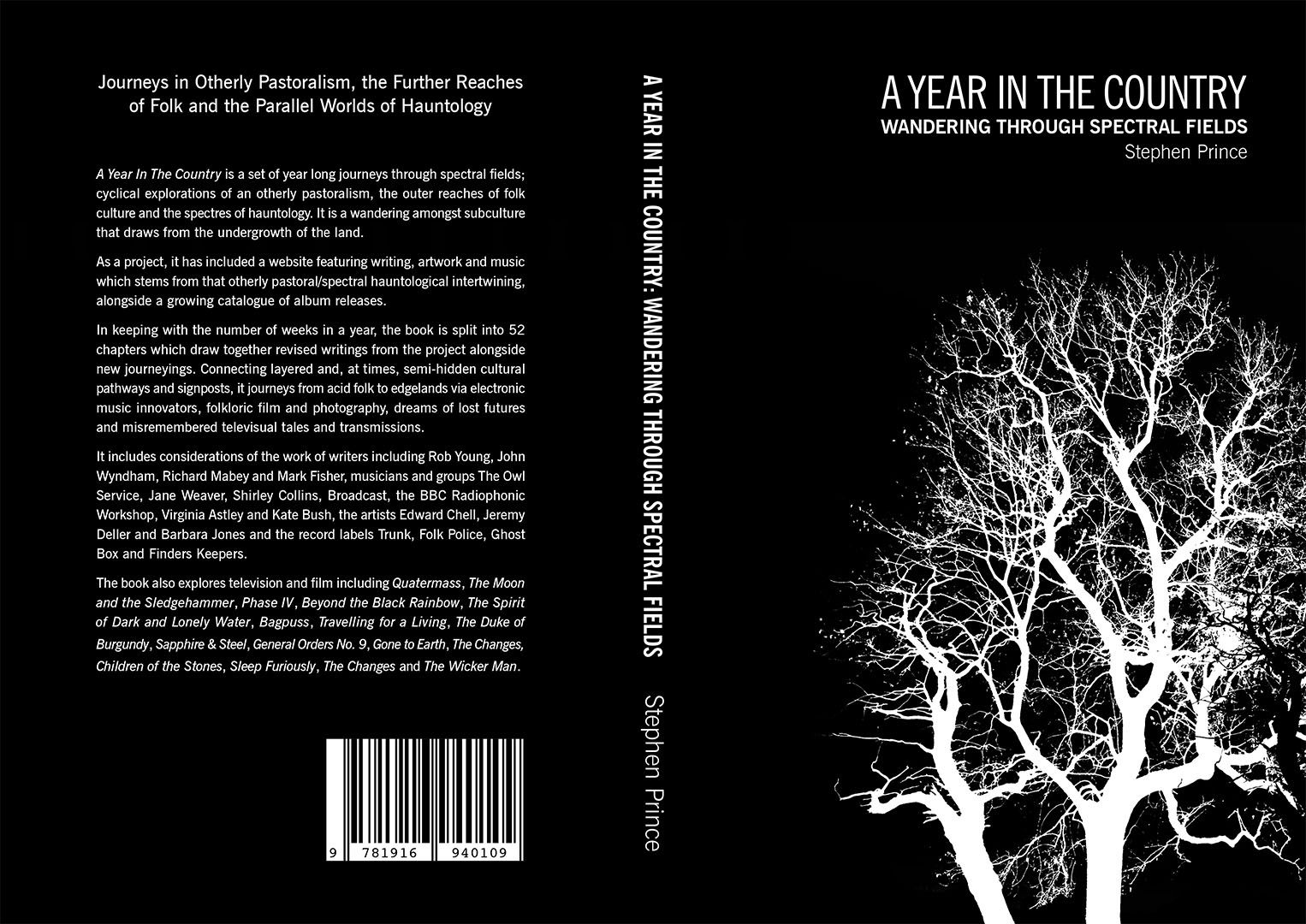
A Year In The Country: Wandering Through Spectral Fields: paperback normally £16.95, currently £11.95 / ebook normally £7.95, currently £3.95

A Year In The Country: Straying From The Pathways: paperback normally £14.95, currently £9.95 / ebook normally £6.95, currently £3.95

A Year In The Country: Cathode Ray And Celluloid Hinterlands: paperback normally £16.95, currently £11.95 / ebook normally £6.95, currently £3.95

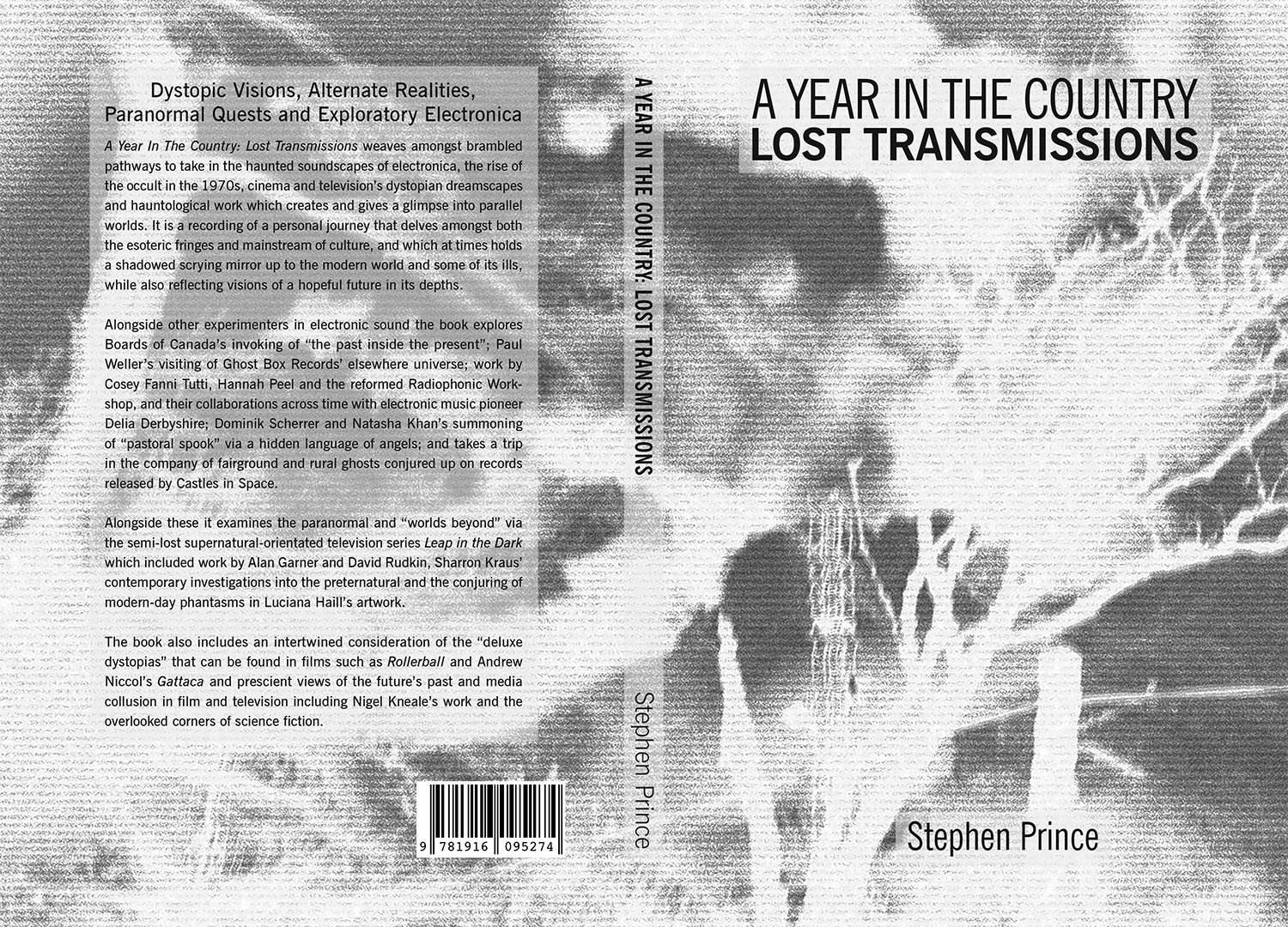
A Year In The Country: Lost Transmissions: paperback normally £14.95, currently £9.95 / ebook normally £6.95, currently £3.95

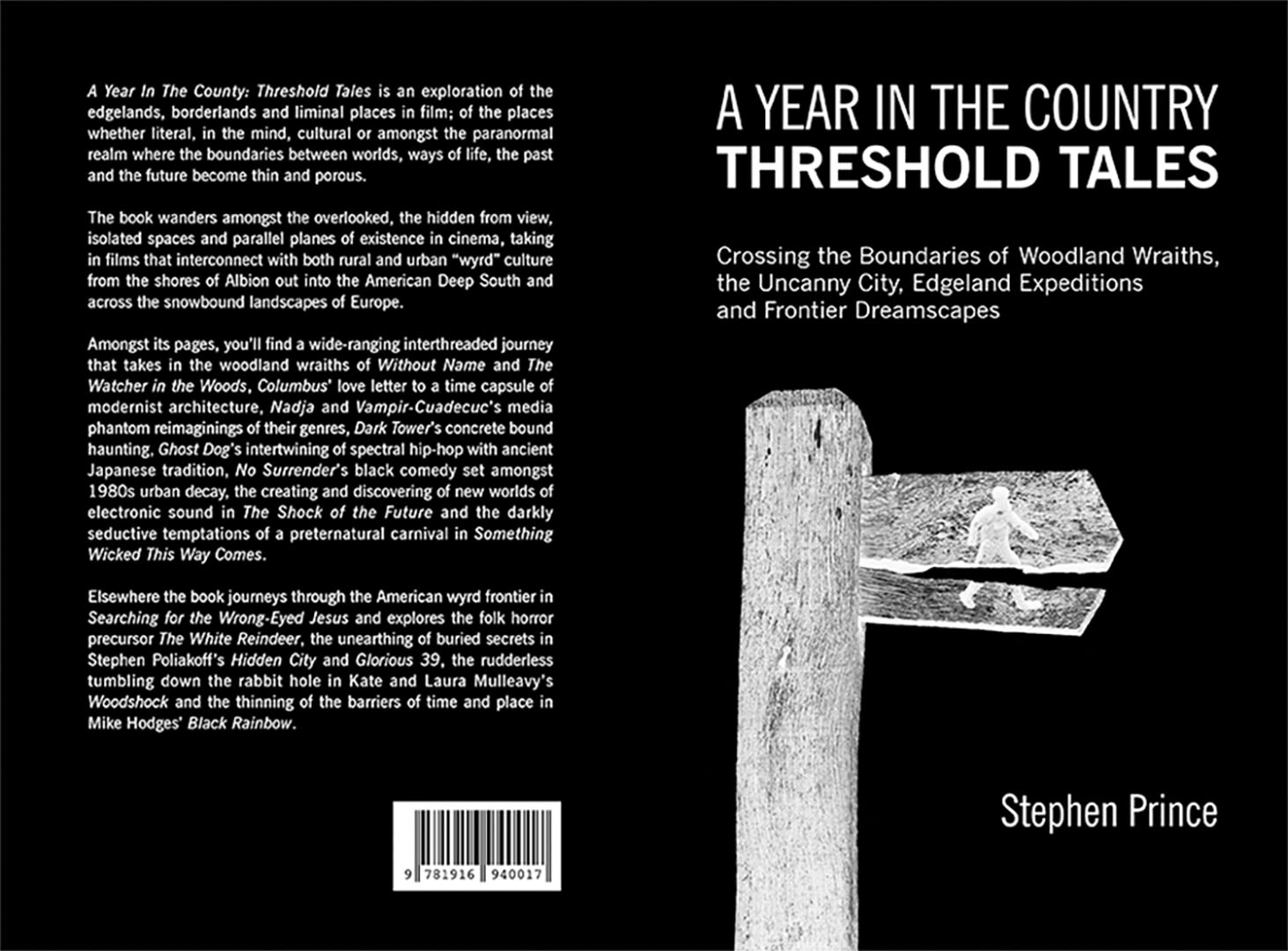
A Year In The Country: Threshold Tales: paperback normally £7.99, currently £5.95 / ebook normally £4.95, currently £1.95

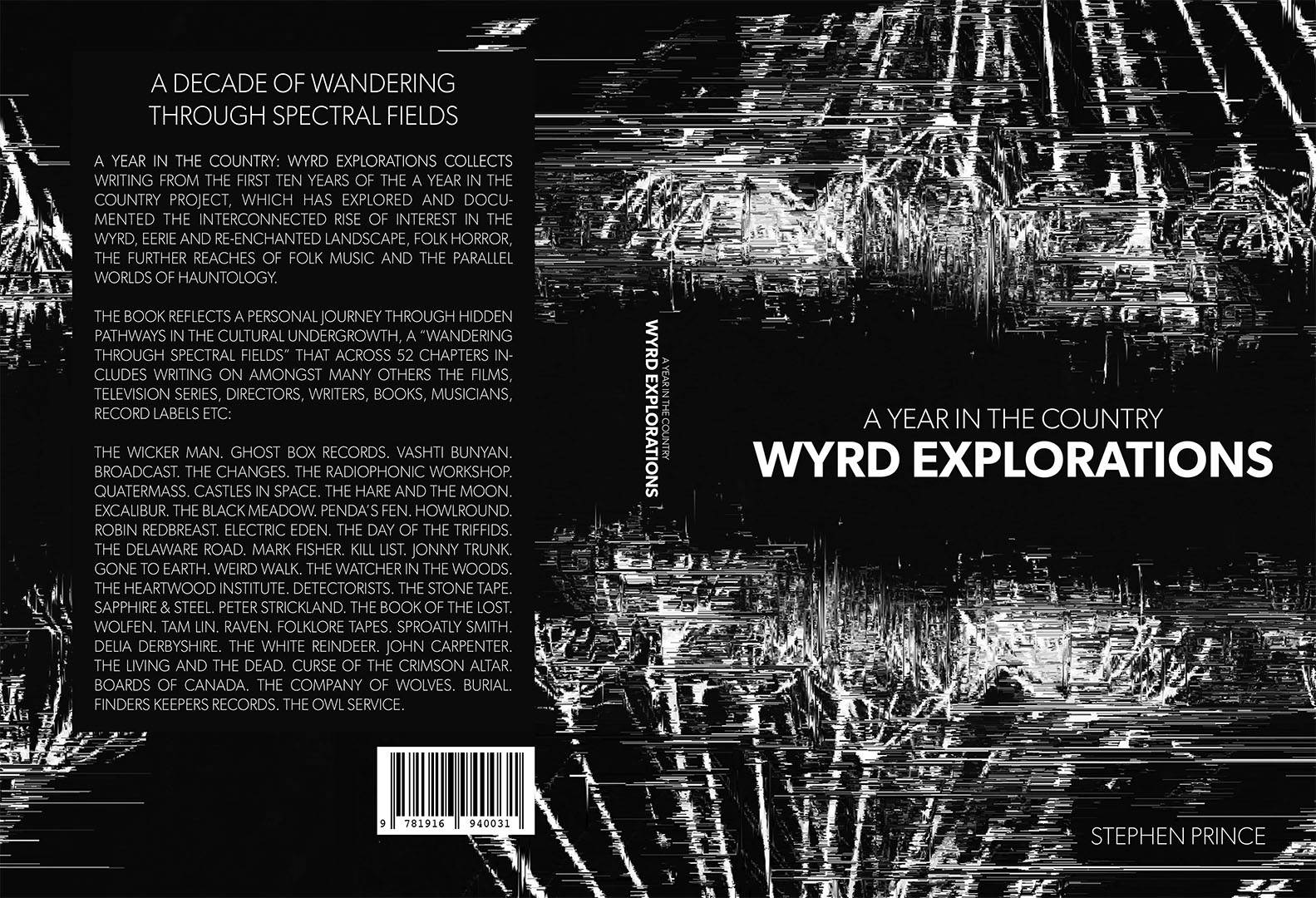
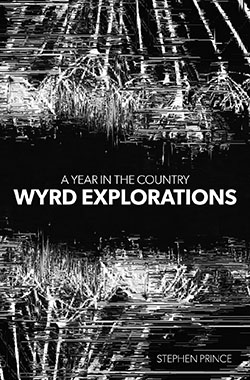
A Year In The Country: Wyrd Explorations: paperback normally £19.95, currently £16.95 / ebook normally £7.95, currently £3.95

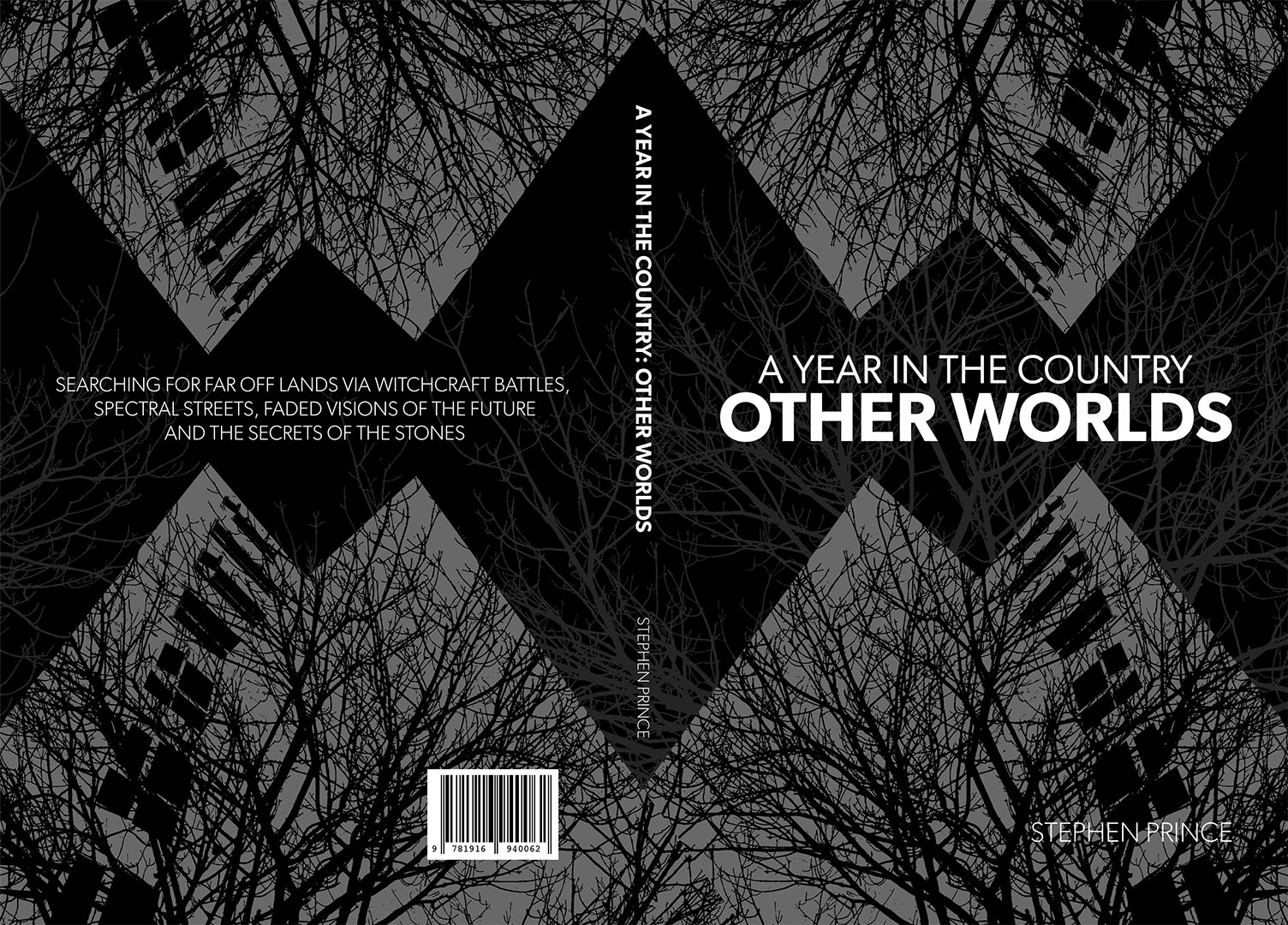
A Year In The Country: Other Worlds: paperback normally £14.95, currently £9.95 / ebook normally £7.95, currently £3.95

A Year In The Country-back book covers-Stephen Prince

Seven books, 10+ years of wandering through spectral fields, the parallel worlds of hauntology, the uncanny streets of urban wyrd and the further reaches of folk music and culture…

“A new book caught my eye recently – the title A Year In The Country: Wandering Through Spectral Fields, that goes in search of the darker, eerier side of the bucolic countryside dream by looking at films of a certain genre, books, TV series, music; it is great to have this fascinating subject explored so thoroughly and brought together under one title.” VERITY SHARP, LATE JUNCTION, RADIO 3


“A Year In The Country: Straying From The Pathways is a comprehensive and hugely satisfying read, both as a book and as a reference guide to the liminal and the eerie in popular culture. There are numerous rabbit holes and recommendations for the reader in which to wander or to explore, and the book as a whole rewards repeated readings, such is the wealth of ideas or intriguing cross-referencing between genres and mediums… Highly recommended; a haunted house of a book that you will wish to frequent time and time again.” GREY MALKIN (THE HARE AND THE MOON / WIDOW’S WEEDS), MOOF


“Stephen Prince has dug hard to uncover the book’s cultural gems… A fine, thoughtful and thoroughly researched book… an invaluable guide.” CATHI UNSWORTH, FORTEAN TIMES


“For any self-respecting hauntologist, A Year In The Country is a treasure trove of wyrd delights… it is his set of books – meditations on all things pastoral and hauntological from acid-folk to The Prisoner, Nigel Kneale to Ghost Box, Ben Wheatley to The Good Life – that have won him so many fans… and Lost Transmissions is without doubt another invaluable addition to the A Year In The Country canon.” SARAH GREGORY, SHINDIG!


“For a decade, Stephen has been exploring all manner of rural strangeness through his constantly evolving project, A Year In The Country. He has a virtually unparalleled enthusiasm for TV, film and music from the more overgrown corners of the pastoral realm, and this passion is evident in both Lost Transmissions and Threshold Tales.” BOB FISCHER, THE HAUNTED GENERATION/FORTEAN TIMES


“A mighty slab of a book, 52 chapters across 551 pages, in which Stephen covers an awful lot of ground with his writings on film and TV, directors, writers, books, musicians, record labels and so on… from Bagpuss to Jane Weaver, Andy Votel and Dean Honer’s The Eccentronic Research Council to John Carpenter, Excalibur, Paul Nash, Quatermass, Edgar Wright’s Hot Fuzz, Delia Derbyshire, Caroline Katz and Cosey Fanni Tutti and so much more… If you know all about Stephen and his fine work you won’t be hesitating to pick up a copy of this mighty tome.” NEIL MASON, MOONBUILDING


“A Year In The Country mingles the bucolic idyll of the countryside with the darker aspects hidden beneath the bushes… A Year In The Country: Other Worlds, draws lines between the more corporeal aspects of our existence and the wyrd – from ITV’s 1979 adaptation of ‘Casting The Runes’, which aired during the Winter of Discontent, to the esoteric flourishes in Stephen King’s 1986 film version of ‘Stand By Me’… you can expect to find bountiful literary nuggets betwixt sonic meditations. Essential reading for all…” ELECTRONIC SOUND


View the books at Amazon UK via this link and at Lulu.com via this link. 

They are also available at Amazon’s other sites around the world, including at the Amazon US site, the Amazon Australian site etc.


Posted on

Mary Webb’s Gone to Earth: Film and TV Tie-In Books Collector’s Series No. 12

Mary Webb Gone to Earth film tie in book

In contrast with later film tie-ins, where that it is “the book of the film” tends to be shown quite clearly on the cover, it’s not immediately obvious that this is a film tie-in edition… it doesn’t

mention any connection to the film on the cover, but on the first page inside there is some small text, that says “The cover is from the Powell-Pressburger film, distributed by British Lion.” 

Posted on

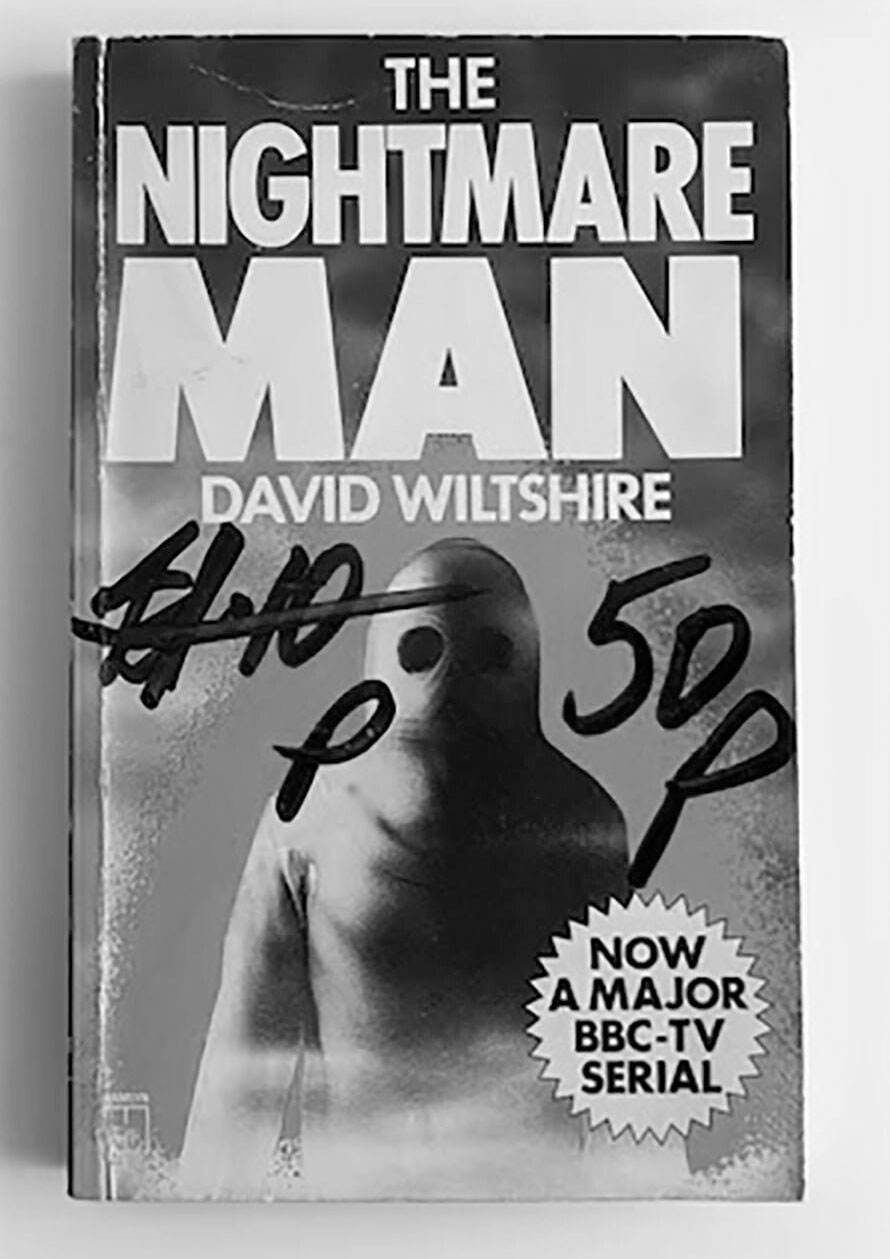
David Wiltshire’s The Nightmare Man: Film and TV Tie-In Books Collector’s Series No. 9

David Wiltshire The Nightmare Man TV tie in book

I love the way the price has been so blatantly reduced on the cover from its original price of £1.10 down to a bargainous 50p on this copy of the book. The bluntness of how it was done makes me wonder about the story behind it… was it for sale in say a bargain bookshop where all the books were reduced like this? On a market stall? Who knows…

Posted on

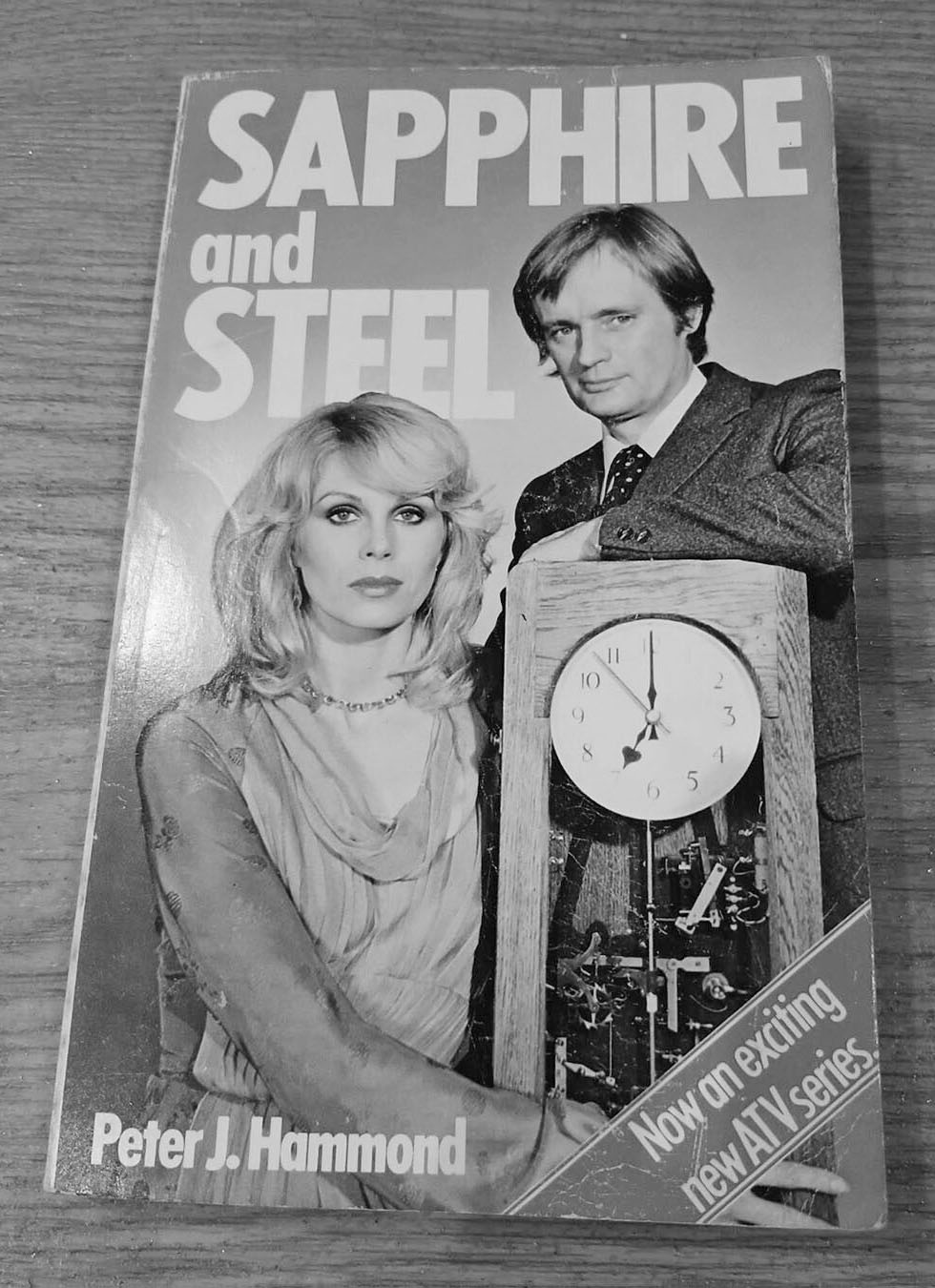
Peter J. Hammond’s Sapphire and Steel: Film and TV Tie-In Books Collector’s Series No. 8

Peter J Hammond Sapphire and Steel tie in book

“All irregularities will be handled by the forces controlling each dimension. Transuranic heavy elements may not be used where there is life. Medium atomic weights are available: Gold, Lead, Copper, Jet, Diamond, Radium, Sapphire, Silver and Steel. Sapphire and Steel have been assigned”. 

The cover of this features a fairly standard press shot for a series that’s really not fairly standard… if you’re looking for a TV version of the slipstream literary genre, well, here it is…

Posted on

The Owl Service, Anne Briggs, Lutine and Audrey Copard – Folk Revisiters, Revivalists and Reinterpreters: Wyrd Explorations 48

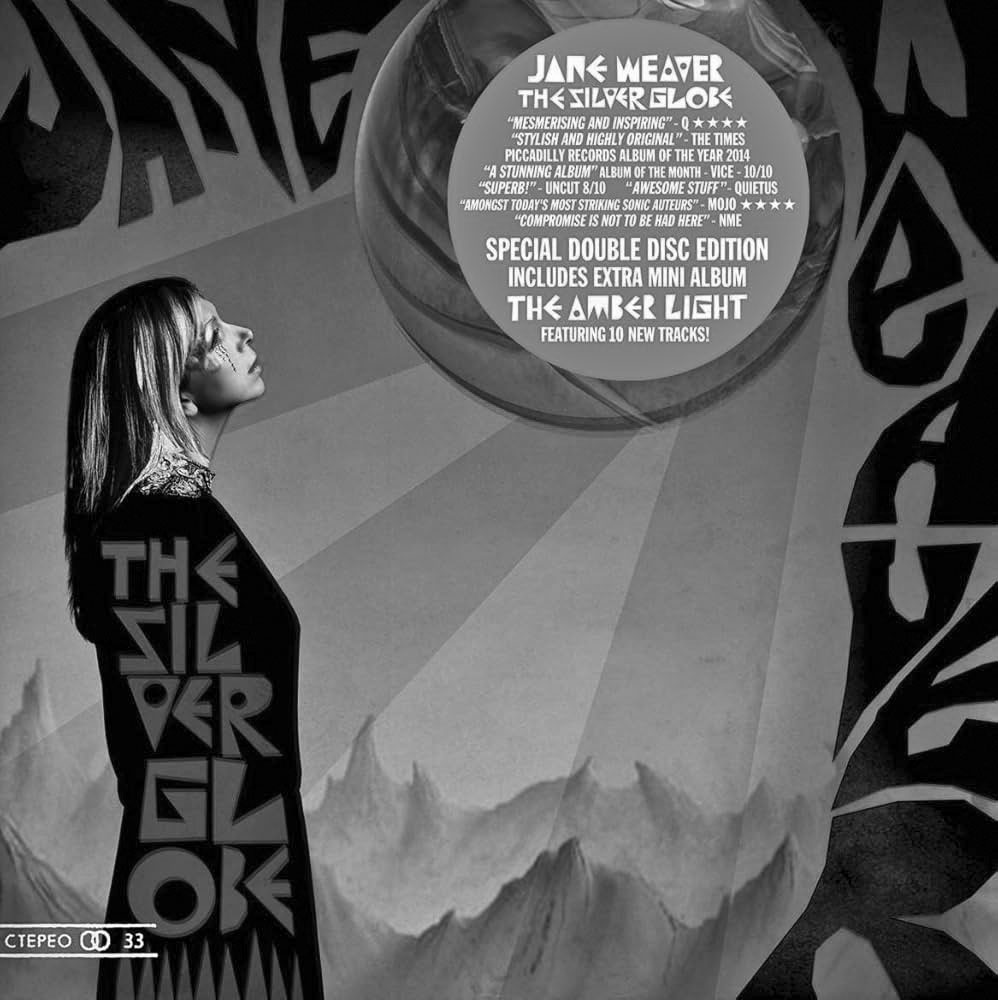
On the way towards starting A Year In The Country the three albums I probably listened to the most were Jane Weaver Septième Soeur’s conceptual cosmic folkloric Fallen by Watch Bird (2010), the acid folk compilation Gather in the Mushrooms (20041 and The Owl Service’s The View from a Hill (2010).

The View from a Hill could be categorised as folk but it has its own take or edge to it. Many of the songs on it are folk or traditional music mainstays and both musically and visually it uses what could be considered standard tropes of folk music, folklore and culture but this is anything but a mainstream folk album.

The reasons for that are hard to fully define but there are other layers and intelligence to the album, a pattern beneath the plough as it were; it feels subtly experimental but still maintains its listenability.

The songs wander from the Archie Fisher-esque widescreen but intimate take on the traditional song “Polly on the Shore”, through to the “quite pretty but if you listen to the lyrics you realise that this is actually quite an odd story of attraction and paternalism” “Willie O’Winsbury” (and a reprise by way of 1973 film The Wicker Man’s “Procession” as if played by a New Orleans marching band), through to the spectral “The Lover’s Ghost” (featuring vocals by former 1970s acid/psych folk band Mellow Candle member Alison O’Donnell) and the album also draws on the talents of amongst others The Memory Band’s Nancy Wallace and The Straw Bear Band’s Dom Cooper.

It ends with traditional song “Cruel Mother” which is astonishingly brutal and disturbing. Not because it is musically dissonant – it is actually wrapped up in a rather lovely musical package – but because its story of seduction and the desperate actions of an abandoned mother towards her children and their supernatural return and prediction of damnation is so unsettling.

The album ends with the line from that song “’Tis we for heaven and you for hell” and as Steven Collins of The Owl Service says in the sleeve notes, what could come after that?

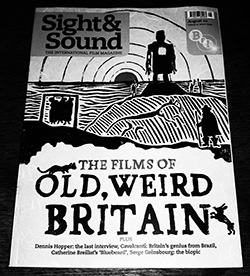
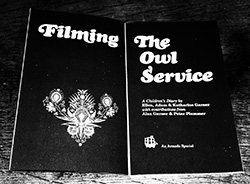
The band were formed by Steven Collins in 2006 and were first active until 2016 and reformed in 2021 with the band name being drawn from Alan Garner’s The Owl Service novel from 1967 and its subsequent television adaptation from 1969.

According to an interview with him in Jeanette Leech’s Seasons They Change – her 2010 book on the story of acid and psychedelic folk – originally The Owl Service did not physically exist as a band but was rather created by him as an imagined idea for his ideal folk band, one which drew its influences from a particular section of 1960s and 1970s British film and television and the sound of the English folk revival.

Apparently, people became interested in this imaginary band when he posted about it online (although they did not know that the band did not exist) and began asking when they would be putting their songs out into the world. From which the band became a real project, which is rather nice as a way of something starting.

I would not necessarily consider The Owl Service as overtly acid or psych folk; it is more a revisiting and reinterpreting of traditional folk and folk rock in a quietly left field or exploratory, respectful to but not hidebound by tradition manner. In this sense of revisiting and reinterpreting, they could be seen to be carrying on another tradition that can be traced back to the likes of folk singer Anne Briggs in the 1960s and early 1970s.

Mike Scott of The Waterboys said that when Kate Bush’s “Wuthering Heights” went straight to number one in the 1978 singles chart that it “Was like an old British soul got returned to us”.

Which puts me somewhat in mind of Anne Briggs and her music. Her recordings were also some of the earliest I listened to when the roots and seedlings of A Year In The Countrybegan to grow and develop in earnest.

Although connected with the folk revival of the 1960s, to a degree she was separate from it, somebody whose work and music trod its own path, the roots of which stretched backwards and forwards to old stories, today’s stories and created its own particular place under the sky; to refer back to that Mike Scott quote, listening to her work is like hearing the return of an old soul. There is a beauty, purity and transcendence to her music and her voice that quite simply stops the listener in their tracks.

As with Kate Bush, her work is characterised in part by a stepping back and away from the bright lights and hurly burly of public life. Alongside which aside from a handful of collaborative and compilation appearances there are only three recorded solo albums and two EPs that document her music, with the third of those albums Sing a Song for You being her final album (which she recorded in 1973 but that was not released until 1997) after which she seemed to wish to largely step back from public view and performance.

Which brings us to Lutine, a duo who were active from approximately 2013 until 2017 and whose work is rooted in folk music but which also exists within its own landscape, creating work which draws from folk and other music but is not a recreation or homage.

If you should take sprinklings, seedings and pathways to and from the following then you may arrive at some sense of Lutine’s work:

The songbird travellers and imaginers of Jane Weaver’s Bird Records, in particular Paper Dollhouse and Magpahi; the coruscating reimagined folk journeys of Espers; possibly the purity of the previously-mentioned teller and re-teller of old stories Anne Briggs; voices such as Audrey Copard from past revivals of folkloric music that seem to have stepped aside and into spaces of their own; the swooping ancient tellings of Dead Can Dance and Lisa Gerrard; the encompassing tranquil dramaticisms of The Cocteau Twins and their collaborative work featuring minimalist piano performed by Harold Budd.

Lutine’s 2014 debut album White Flowers, released by Front & Follow, is reminiscent of a peak point of the label 4AD in the 1980s until around the turn of the decade, a time when it was a home for fragile, textured beauty and explorations, with its releases often being packaged, enhanced and accompanied by the equally textured and intriguing visual work of Vaughan Oliver and Nigel Grierson working as 23 Envelope.

A particular point of reference in terms of Lutine and that period of 4AD is His Name Is Alive and the ethereal beauty of their 1990 album Livonia. If you take one of the literal definitions of ethereal as being “something which is extremely delicate and light, in a way not of this world” then you may be heading towards the atmosphere and work Lutine create.

However, they do such work without wandering into pastures of tweeness or cloyingness and there is a shimmering seam of something far from such things that underpins their music. That seam could not necessarily be described as a darkness but there is a subtle sense of stepping away from the light in their work.

“Dream pop” is another phrase which comes to mind and which has been mentioned in connection with Lutine and one which could also connect back to that 4AD/23 Envelope peak era of music and other fellow wanderers through chimeric soundscapes and melodic will-o’-the wisps such as Virginia Astley.

Lutine’s is chamber music from a time neither then, today or tomorrow. Thoroughly modern and yet steeped in waters from previous eras, gently experimental but particularly accessible.

Which brings me to the just mentioned Audrey Copard and her 1956 folk revival album titled simply English Folk Songs.

There is a playful, sometimes cheerful, sometimes wistfully sad delivery to the songs on this album, with its 14 traditional folk songs being presented simply and in an unadorned manner, featuring just Audrey Copard’s voice and sometimes guitar accompaniment.

It features the first recorded and commercially released version of traditional song “Scarborough Fair” which used the melody that was later used on the commercially successful version of the song released by Simon & Garfunkel in 1965 and also includes a version of “Died of Love” which Lutine would later include their own version of on their debut album.

English Folk Songs enabled me to hear these songs’ earlier incarnations and caused me to wonder how these versions may have somewhere along the line come to influence their future versions existences, revisitings and reinterpretations of folk music.

Posted on

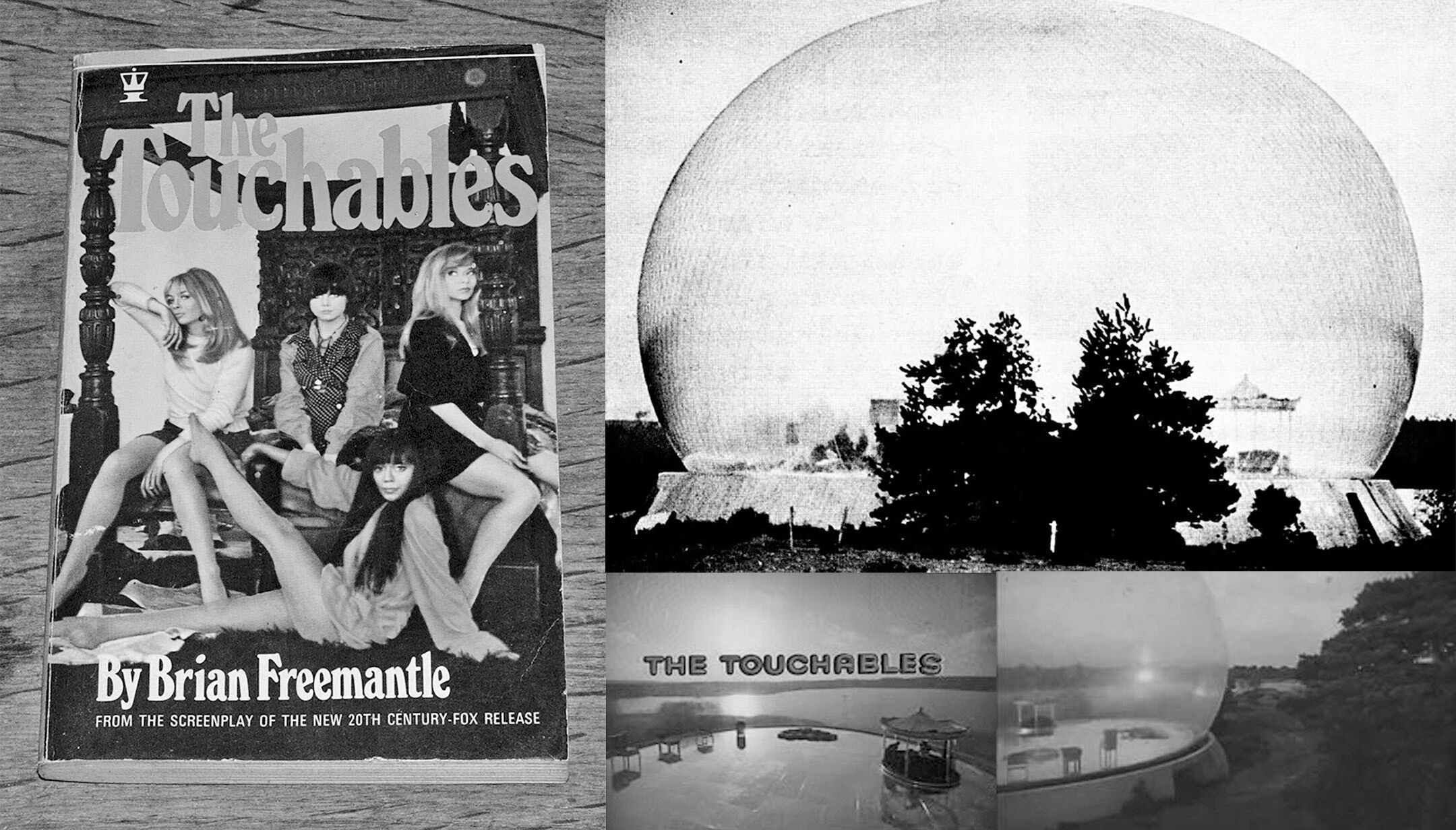
Brian Freemantle’s The Touchables: Film and TV Tie-In Books Collector’s Series No. 7

Brian Freemantle The Touchables tie in book

This is probably one of the rarer books in this series and its cover makes it look like the story will be a late sixties swinging youth hipster exploitation kind of thing, which its story sort of is…

…but it’s also quite a bit odder, a sort of almost arthouse-esque take on such things that involves a group of stylish young women who for some unexplained reason live out in the countryside in a giant inflatable see-through bubble home complete with fairground attractions and who kidnap a popstar as a “temporary solution to the leisure problem”.

(As an aside I’m not sure quite how they got their home past the local planning authorities… maybe they didn’t, I expect they didn’t care…)

Watching it now, it seems like something of a time capsule snapshot of a point in film production when film studios and financiers were willing to take a chance on quite out there things, particularly if there was a chance it would connect with the then burgeoning youth market…

Posted on

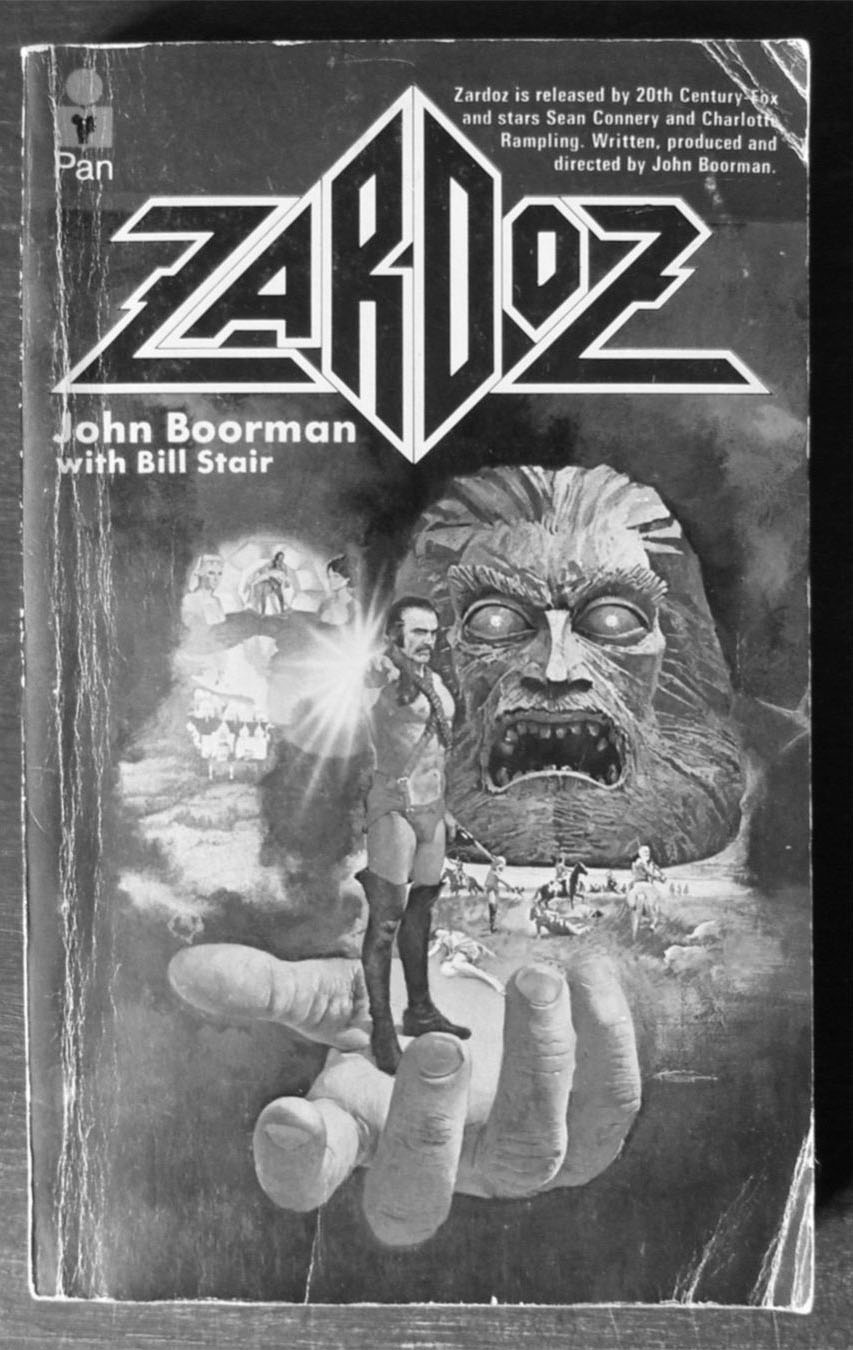
John Boorman and Bill Stair’s Zardoz: Film and TV Tie-Ins Collector’s Series No. 6

Zardoz book John Boorman tie in edition-Bill Stair

I can just see the pitching session for Zardoz:

“Yep, we thought we’d set it in a weird post-apocalyptic future, put James Bond in thigh length boots, a posing pouch and Mexican bandit style crossover ammo belts. Probably give him a moustache as well. Then we’ll have these people who live forever dressed in floaty hippy outfits baking multi-coloured bread. Maybe have a huge floating stone god head that spits out rifles and we’ll name it after a sort of pun on The Wizard of Oz”.

Glad that whoever signed on the dotted line for it chose to though (!)

No mucking about with the novelisation cover design, just a straight transfer of one of the poster designs.

The novelisation was co-written by the film’s director, which is something of a rarity for such things… and the original edition had started fetching fairly high prices the last time I looked but in recent years it’s been reissued by Repeater Books, which is also something of a rarity for tie-ins and novelisations as after their initial publication they tend to stay out of print.

Posted on

Alan Garner’s The Owl Service: Film and TV Tie-In Books Collector’s Series No. 4

The Owl Service-Alan Garner-TV tie in edition

“She wants to be flowers, but you make her owls. You must not complain, then, if she goes hunting.” 

I’ve always thought this TV tie-in edition of The Owl Service has a curiously “normal” cover that gives little away about the story and it’s magikal themes etc.

I can imagine one or two people picked it up at the time expecting a fairly conventional young adult read…

Posted on

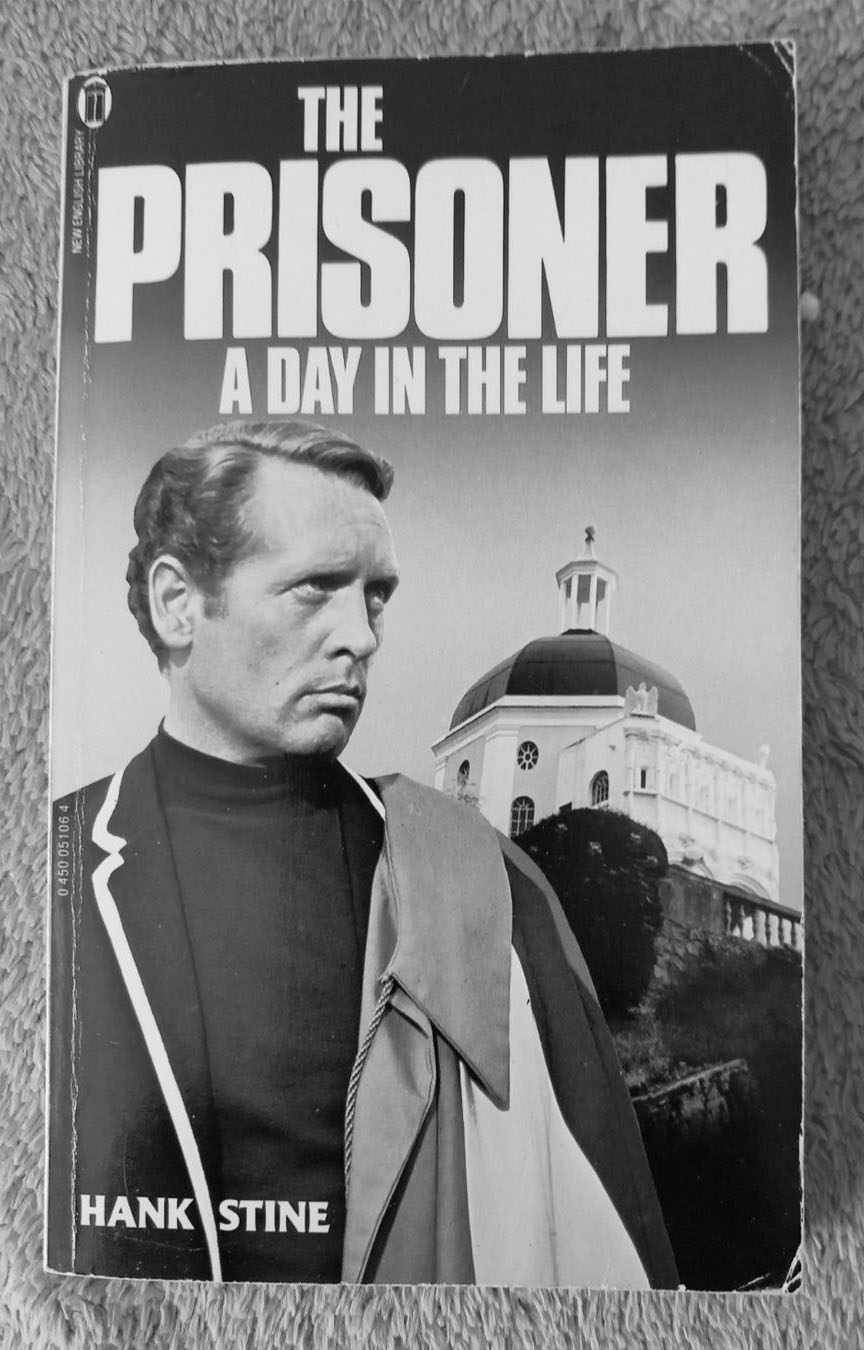
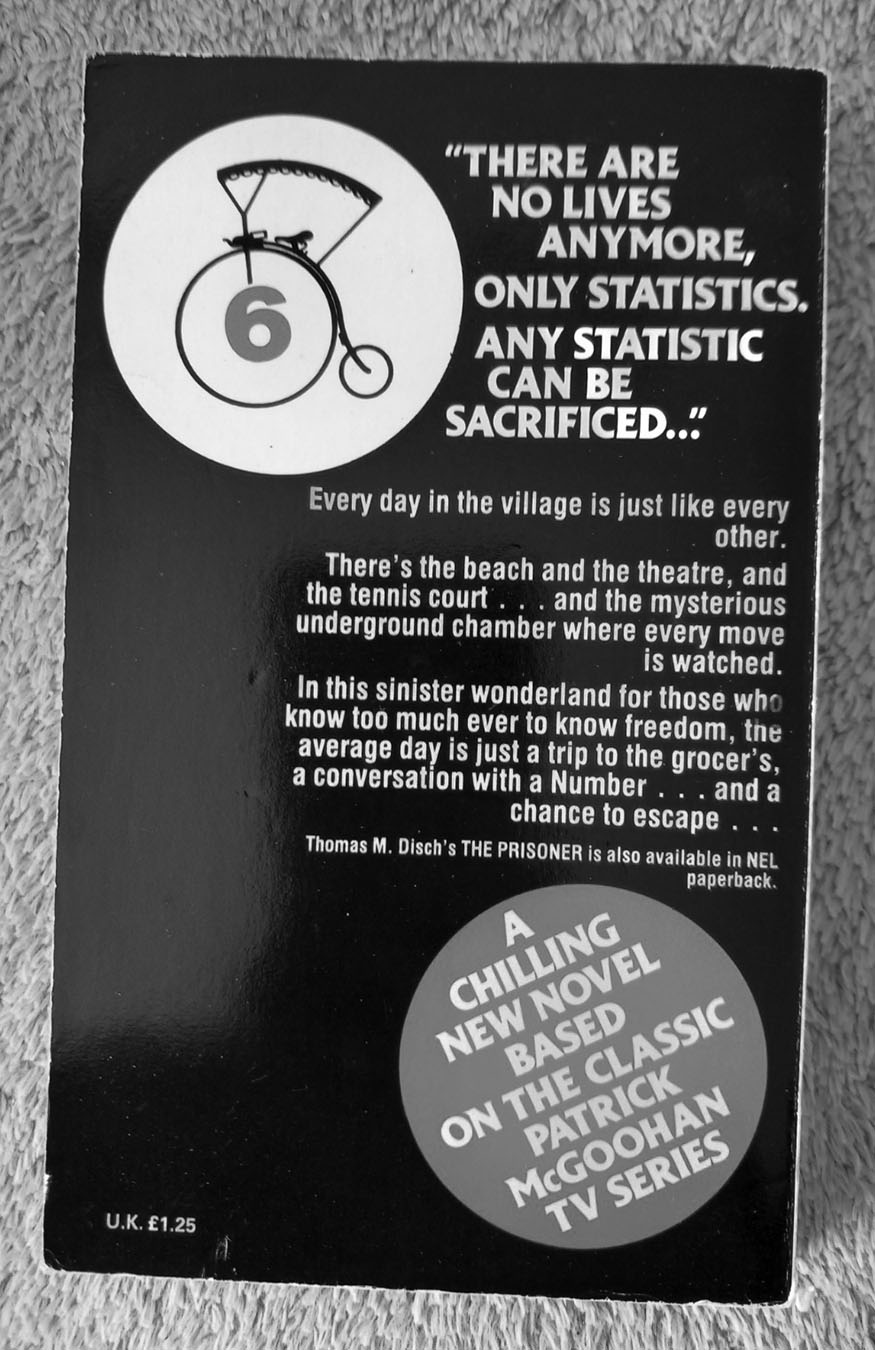
Hank Stine’s The Prisoner – A Day in the Life: Film and TV Tie-In Books Collector’s Series No.  3

The Prisoner-Hank Stine

I think this TV tie-in novel may have been my first proper introduction to The Prisoner and that I read it before seeing snippets of the series when it was re-broadcast in the UK during the mid-eighties by Channel 4.

If memory serves correctly I bought it in the early-ish 1980s from a rack of bargain books in a local newsagent that looking back had an intriguing selection of cult-friendly sci-fi etc books including the tie-in edition of The Nightmare Man and various titles published by Savoy.

Aside from having read about The Prisoner in something like Starburst, part of the reason for buying it was probably that books in that rack cost a pocket money friendly 25p or so, which allowing for inflation would be around £1.30 today. A bargain indeed for a trip to The Village (!)

Curiously A Day in the Life was first published in 1979 in hardback and 1981 in paperback, which was long after the series had first been broadcast in the UK and prior to the just mentioned 1980s broadcasts by Channel 4 and before the explosion of interest in cult TV etc, so it seems like an interesting and potentially risky choice for a publisher.

The Prisoner-Hank Stine 02


Posted on

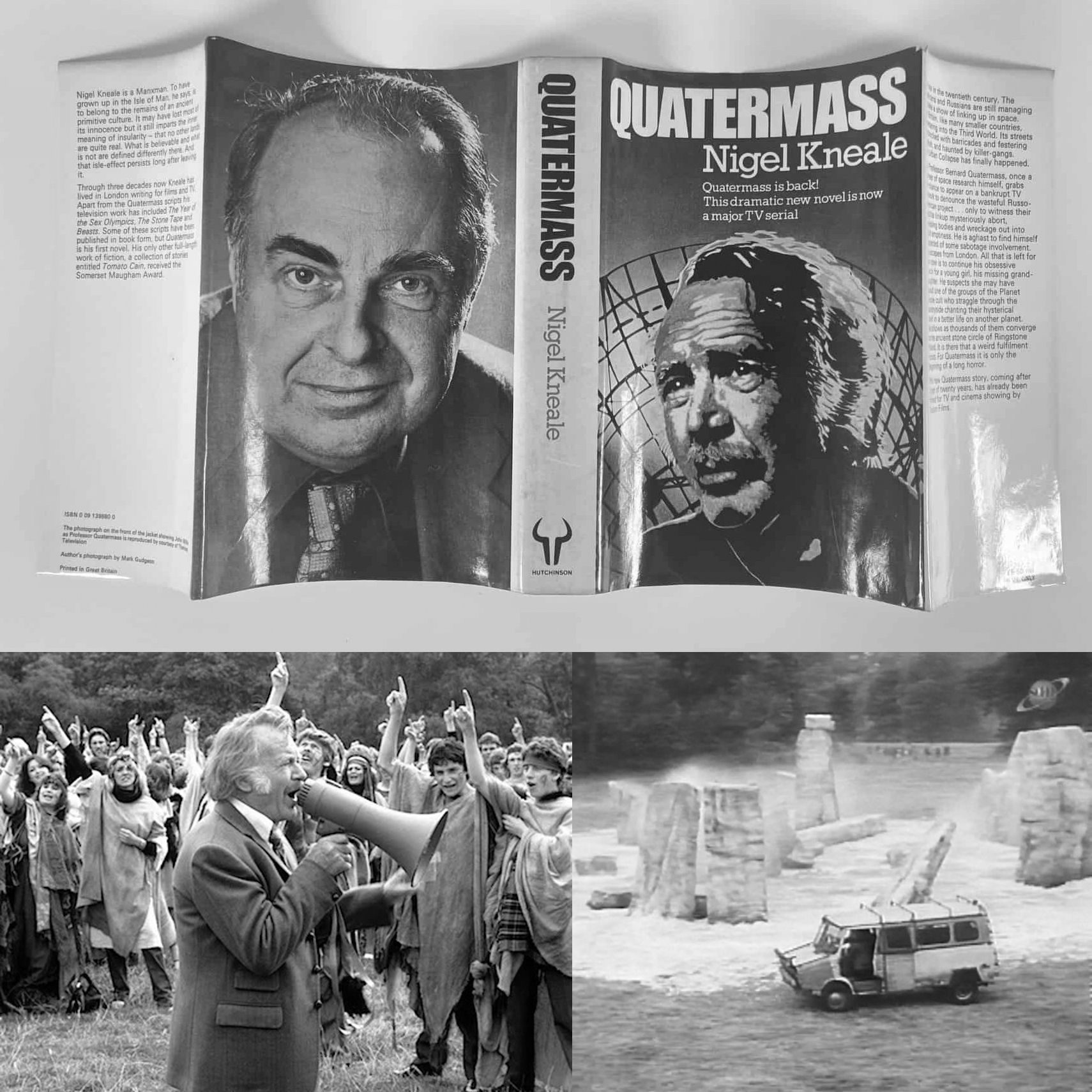
Nigel Kneale’s Quatermass: Film and TV Tie-In Books Collector’s Series No. 2

“Huffity puffity ringstone round.” Say no more… well, almost…

Interesting author biography text on the hardback’s dustjacket which connects with the wyrd etc themes of much of Nigel Kneale’s work:

“Nigel Kneale is a Manxman. To have grown up in the Isle of Man, he says, is to belong to the remains of an ancient primitive culture. It may have lost most of its innocence but it still imparts the inner meaning of insularity – that no other lands are quite real. What is real and what is not are defined differently there. And that isle-effect persists long after leaving it.”