Earlier in the year I spent quite a bit of time listening to 1960s, 1970s and 1980s folk funk, which looking back was actually some of the more outer fringes of folk music that I first listened to back when I started out on the cultural journey that would become A Year In The Country. It interconnects with 1960s and 1970s folk rock and acid/psych folk but is often more, not unsuprisingly given its loose genre name, funk infused and it also cross pollinates with psychedelia and soul. Much of it is lovely warm, indefinable in terms of conventional genre and at times dreamy music that seems to both recall a lost summer back and also has a timeless quality.

(As an aside I first discovered folk funk sometime around 2010 via the 2005 compilation album Folk is Not a Four Letter Word that Andy Votel of Finders Keepers Records compiled for the Delay 68 label… I’ve always had a soft spot for the wood cut/folk art-esque covers of the first and second of the Folk is Not a Four Letter Word albums that are pictured above alongside the Feel the Spirit: Otherworldly Folk Music Gems and Pscychedelics album released in 2006 that was compiled by Mark Pritchard, which is another good “resource” for folk funk and related music… and for good measure, below is The Mighty Mellow: A Folk-Funk Psychedelic Experience album from 1997, which is also a rather fine resource for such things… as a further aside, I discovered Folk is Not a Four Letter Word via a local library… libraries stocking music on CD? Blimey, that seems like another age now.)
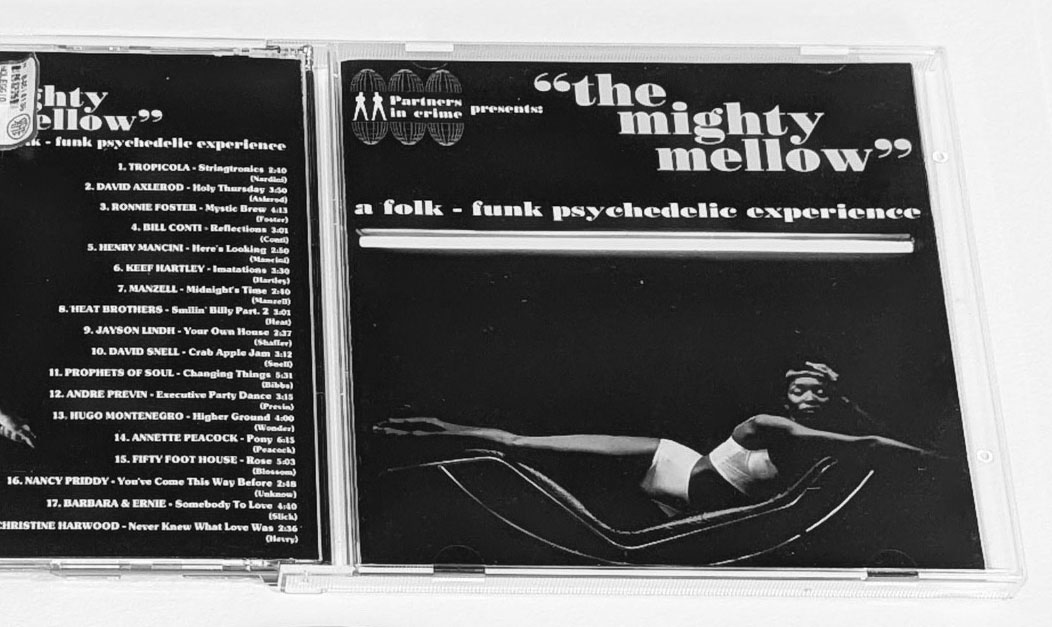
For me folk funk seems, perhaps in a way that sets it apart from some 1960s and 1970s folk rock and acid/psych folk, to be deeply infused with a certain kind of pastoralism but one that in some not easy to define way has a certain “cool” (but not uptightly so) urban quality to it and its sense of hazy sun drenched fields seems as though it maybe springs more from the dreamscapes of the mind rather than being literally from and created in the rural landcape; a sort of psychedelic and maybe even at times utopian tinged yearning for the escape and imagined bliss of a pastoral mindset and places.

When I was exploring and re-exploring folk funk I came across Paul Hillery Folk Funk & Trippy Troubadours section on his site and his related Mixcloud mixes, compilation albums etc which are a particularly great source of all things folk funk.
(To quote him he added “Trippy Troubadours” to give him a little more “wiggle room and avoid the genre police”, which makes me smile!)
He’s done an awful lot of work surrounding collecting, compiling, online broadcasting etc folk funk; at the time of writing there were 144 “Folk Funk & Trippy Troubadours” mixes on his Mixcloud page and that’s before you get to the folk funk compilation albums he’s curated for the Warm and BBE labels, all of which might seem a bit overwhelming in terms of where to start when exploring folk funk.
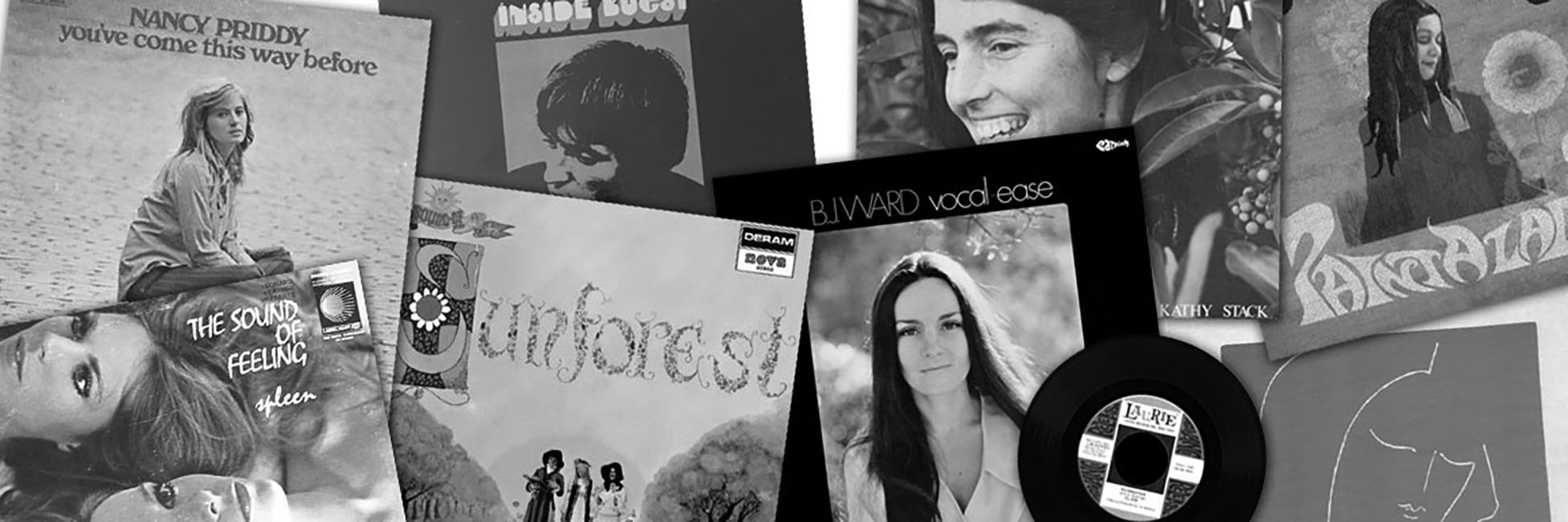
Luckily there’s a solution at hand as his Mixcloud mix A Brief History of Folk-Funk has got “just” 34 tracks on it and acts as a great primer to all things folk funk, plus there’s an accompanying post A Brief History of Folk-Funk post at his site, originally posted in an edited form at the Stamp the Wax site, which gives a background on, as it says on the can, folk funk.

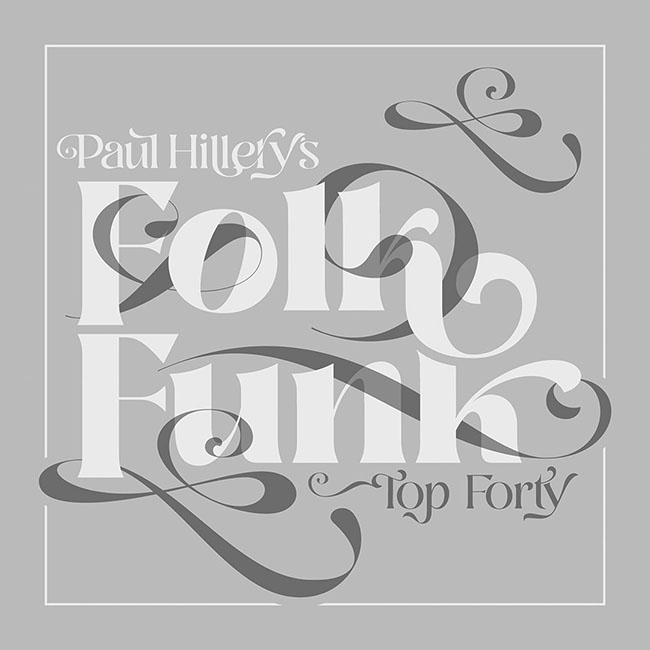
Carrying on from that his Folk Funk Top Forty also acts as a concise primer to folk funk. There’s some crossover between the two but when you’re listening to tracks like Nancy Priddy’s “You’ve Come This Way Before”, Sunforest’s “Magician in the Mountain” and Heaven & Earth’s “Feel the Spirit” I don’t think that really matters.
If you’re wondering what folk funk is well the paragraph below from Paul Hillery’s Folk Funk Top Forty post might give you some kind of idea and background:
“But what is this folk-funk thing anyway? I’m not sure if I can put a finger on it, not in precise words anyway. To me, the groove sounds like it has one leg shorter than the other, like a funky limp. Oh, and a flute is always a nice addition. Feel The Spirit by Heaven & Earth is a great place to start. Does that help? I was told the name was adopted in the late 80s as a way to describe a certain sound that record hunters had started to dig for, Christian McBride seems to be the culprit for the adoption of the name. Bobby Rush will come up in a web search as the Grammy award-winning American blues musician who called his 2004 album ‘Folk Funk’ although it has little in common with the music we are talking about here. Are you still with me?”
But really as he says in that post folk funk is something that’s difficult to put your finger on but once you’ve heard it and start to know what you’re looking for “you’ll just know if it’s… folk funk or isn’t”.
Links:
- A Brief History of Folk Funk at Paul Hillery’s site
- Paul Hillery’s A Brief History of Folk Funk at Stamp the Wax’s Mixcloud
- Paul Hillery and His Folk Funk Top Forty at his site
- Paul Hillery’s Folk Funk Top Forty ~ Part 1 at his Mixcloud
- Paul Hillery’s Folk Funk Top Forty ~ Part 2 at his Mixcloud
- Paul Hillery presents Folk Funk & Trippy Troubadours Volume 1 at Warm’s Bandcamp
- Paul Hillery presents Folk Funk & Trippy Troubadours Volume 2 at Warm’s Bandcamp
- Paul Hillery presents Folk Funk & Trippy Troubadours Volume 3 at BBE’s Bandcamp
- Finders Keepers Records’ website