A Year In The Country Artwork Archive 29
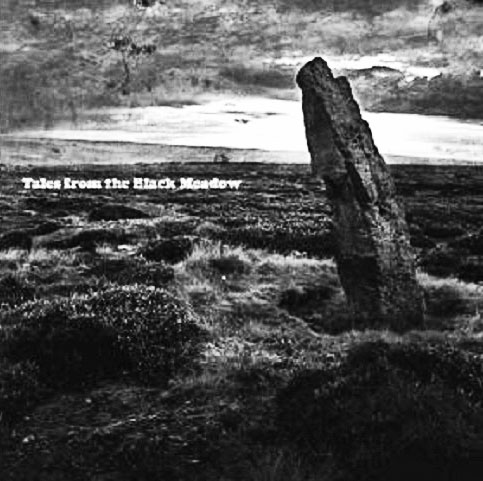
This is the album’s opening tracks which is quietly spooky and melancholic and listening to it is like somehow stumbling onto the opening credits of a television show that you can’t quite remember from back when and that you’re not sure if it every actually existed…

The folk horror etc film, television characters and so on that have seemingly miraculously come to three dimensional life which are made by Hobbs Lane Models are one of the more intriguing wyrd things to have tumbled out into the world…
From Lord Summerisle and his merry procession via MR James reading a ghost story just for you to unearthed Quatermass relics, Delia Derbyshire exploring new electronic worlds… and that’s just for starters…
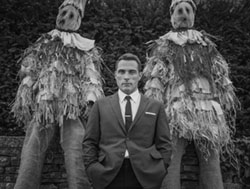
This promotional Wicker Man meets Quatermass and the Pit “crossover” image caught my eye and makes me smile every time I see it… what intriguing hellish world does it come from and threaten to summon (!?!)…

There is a mini film sub-genre of pastoral fantasy, with at times elements of folk horror, wherein late 1960s and turn of the decade high fashion mixes with grown up fairytale high jinks, wayward behaviour and sometimes a step or two or more towards the dark side, all carried out in dreamlike isolation in the woods and pastoral settings.
The three main films aligned with such things are Queens of Evil aka Le Regine or Il Delitto del Diavolo (1970), Tam Lin aka The Devil’s Widow (1970) and in a more loosely connected manner The Touchables (1968).
All three of these films draw from, to varying degrees, some of the often-defining themes of folk horror: being set in rural places and buildings where activities and rituals can develop or take place without easy escape to or influence from the outside world, normality and societal norms.
In all three films there is more than a touch of Hansel and Gretelisms about the way their victims (the word is used loosely here as it is not always clear cut how willing at various points they are in their own capture) are treated and kept in these remote country or woodland settings; pampered yes but also possibly fattened for the pot.

Transgression is a word that comes to mind when describing them and despite its initial more escapist, fairytale and dreamlike cabin in the wood setting, visuals and story, Queens of Evil becomes a very transgressive, unsettling film as it progresses.
The film was featured on BBC Radio 4’s Film Programme (2004-2021), which although it could take trips into some of the outer reaches of film, the appearance of Queens of Evil on it was something of a surprise as this high fashion, woodland folkloric critique of power and psychedelic idealism belongs to notably more outlying areas of cult filmdom.
Its plot follows a handsome young freewheeling hippie idealist who comes across a house in the woods after he has been involved in a road accident where a materially wealthy gent was killed. Living in this house are three young women who take him in, charm, nurture, seduce and confuse him. Everything is rosy for a while but there is something off-kilter about the setup and he cannot quite seem to leave.

It is an at points chimeric fantasy which is largely set in sharply stylish but indolent, tree-inhabited period interiors and is full of late 1960s ethereal high-fashion along the lines of Ossie Clark and Celia Birtwell’s work from then and also incorporating the period folkloric-meets-psychedelia imagery collecting of the Psychedelic Folkloristic Tumblr page1 and its reflection of a relatively brief point in time around the later 1960s to early 1970s when fashionability turned towards folk and pastoral concerns.
In terms of other reference points it creates a sense of a gently decadent grown-ups version of a tea-party in the woods, a dash of Snow White (at one point somebody says “It’s just like Snow White’s house” about the cabin in the woods), a bit more of a dash of Hansel and Gretel and its tales of leading astray, more than a touch of the earlier mentioned and loosely interconnected kidnapping and pop-art pastoral playground film The Touchables, alongside the social critique and/or dreamlike qualities of some of Czech New Wave films such as Daisies (1966) and Valerie and her Week of Wonders (1970).
In fact, although Italian the spirit it conjures could well belong to that cycle of at times fairytale like Czech films as it has a similar playful, childlike idyll and sometimes-dreamlike quality to it but if you should go into the woods today, well, let us just say you may well be hiding behind the sofa by the end.
Tread carefully is sage advice. It is playful in parts but this is most definitely a film for grown-ups and not always an easy piece of celluloid to watch.

Pastoral giallo might be another appropriate genre title alongside folk horror as it was produced in Italy at a similar time as some films which have been connected with the giallo genre and as with a number of those Queens of Evil combines thriller, horror, mystery, supernatural and more visceral moments in a stylish and stylised manner.
It could well also be appropriate to include The Wicker Man (1973) as another reference point as in both films there is a similar sense of game playing, of leading a worldly innocent through a set of rituals and of differing levels of power and control in a rural setting. Also, in common with that towering relatively modern folklore tale, apples and symbols of temptation play a part in this game. And as with The Wicker Man, this is a tale full of its own and borrowed mythology, which seems to exist and be told in a world of its own imagining, where the outside rarely intrudes.
By the end you realise that this sometimes fairytale fable is actually a quite severe satire or critique on society, of those in higher echelons of power and also the decadence and potential corruptibility of the psychedelic/free love movement and its associated idealism.

In many ways it is a story of a culture tottering right on the edge of when the utopian, carefree, sun-drenched dream of the 1960s was about to fall into the darkness of its own dissolution in the following decade (Liege & Lief becomes Comus, to draw parallels with folk music’s progression at the time).
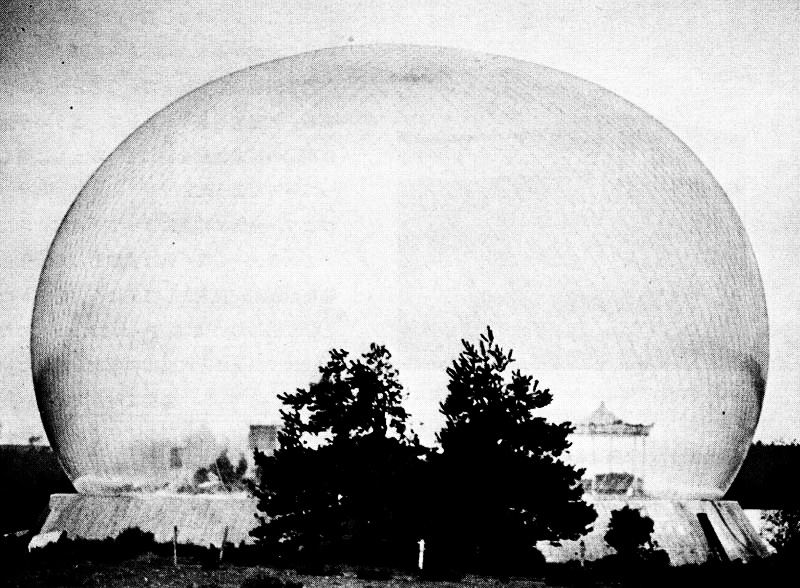
In terms of this loose mini sub-genre of pastoral fantasy, The Touchables is more rooted in the later part rather than the tipping point of that 1960s dream, although it does represent a world and culture which seems to have become untethered and possibly one which lacks a moral centre.
It is a very modish tale of a group of stylish sixties women who live in a huge see-through plastic bubble in the middle of the countryside and who kidnap a pop star as “a temporary solution to the leisure problem” in order make him their plaything. Mixed in with this are the stealing of a Michael Caine dummy, gangsters, wrestlers with rather refined aristocratic tastes, a fair bit of high fashion styling and a fine pop-psych title song by Nirvana (the 1960s band rather than the more high profile later Seattle based grunge rock group).
Essentially, at heart it is a caper romp but one that is at more than one remove from the mainstream and quite surreal in its setting and the mixture of elements it contains.

It is a film which in part evokes a sense of how did they get the money to make it, due to its left-of-centre nature. Well, maybe it was partly because it was made during a peak of interest in all things youth and “Swinging London”, at a point when money was quite possibly being thrown at anything that might make inroads into the pockets and pounds of a younger music and fashion- orientated demographic.
Also being directed by photographer and designer Robert Freeman, who worked extensively with The Beatles during 1963- 1966 including photographing and designing a number of their album covers, may possibly have helped add kudos and aided the practicalities of seeking funding.
The Touchables is a more a playfully, surreally adult pastorally- set fairytale or fantasy than the more overtly folk horror Queens of Evil (although it does have some quite shocking moments in amongst its escapist visual confections) but as mentioned earlier it mirrors some of the elements of that film; in both stylish late 1960s women kidnap a pretty boy to live in their own rural dreamlike domain.

It was not a surprise to discover that The Touchables was based on a script by Donald Cammell (with a screenplay by Ian La Frenais), as in part it represents a proto, more pop-art, possibly light hearted take on the film Performance (1970), which he wrote and co-directed. As with The Touchables, Performance also incorporates a theme of a popstar living in an enclosed bubble world, although its setting is in some ways more prosaic as it involves a former popstar who lives a reclusive, isolated life in a London flat rather than in a rurally set large-scale see-through plastic dome as is the case with The Touchables. Alongside this and as a further point of connection, both films also intertwine professional gangsters and related criminal activities within these secluded worlds.
One intriguing aspect of The Touchables is that there is not even an attempt to explain how the stylish group of female kidnappers’ bubble or lifestyle are afforded, nor why there seems to be no outside comment or interference by mainstream society, authority etc about their quite frankly rather unusual and very prominent giant blow-up see-through home that is sitting in the middle of the countryside, complete with jukebox, canopied merry go-round etc.
This aspect of non-explanation it shares with Queens of Evil, although in that film there is the possibility that its main characters’ lifestyle is afforded by those further up in a related hierarchy who wish them to carry out their manipulative intentions.
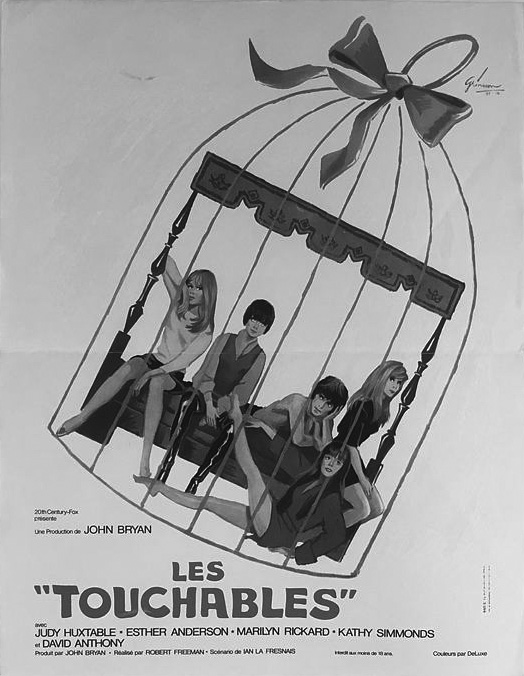
If ever a film seemed custom-made for a high-definition brush and scrub up restoration it would be The Touchables. The BFI’s Flipside strand could well be an appropriate home in that it has created a space for high end reclaiming and restoration of the more cult and forgotten side of cinema, which The Touchables would fit rather well amongst.
At the moment the version/s that are available are unofficially distributed and have a colour palette where the hues seem quite muted and, although it is difficult to tell from publicity photogr- aphs etc, there is the possibility that it was actually intended to be more a pop-art dazzle of colour, which would possibly suit the film more.
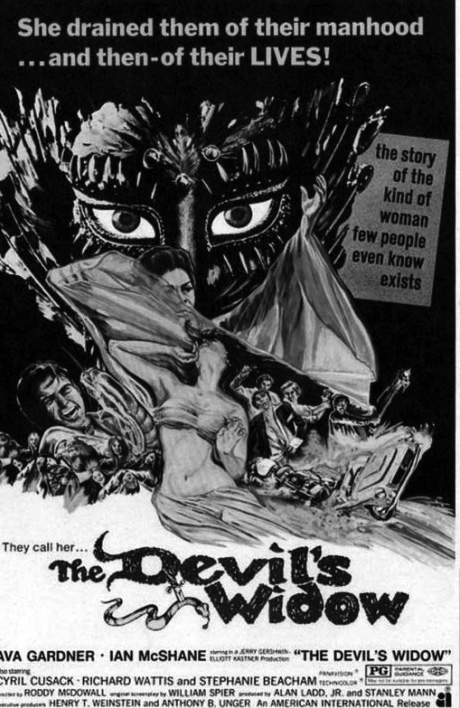
Which brings me to Tam Lin, that in contrast with The Touchables but as with Queens of Evil has been released on officially licensed high-definition Blu-ray editions. It’s a curious film that as with Queens of Evil and The Touchables does not easily fit into any particular mainstream genre; it is a loose modern adaptation of the traditional folkloric tale and song “The Ballad of Tam Lin”, relocated to the country home of an almost mythologically wealthy older woman which is peopled by various late 60s hipsters, hunks and prepossessing actresses of the time (including Madeline Smith, Joanna Lumley and Jenny Hanley) and soundtracked by British jazz-folk band Pentangle.
Hollywood legend Ava Gardner stars as the wealthy, older woman, alongside a dapper Ian McShane who plays a young man that catches Ava Gardner’s character’s eye and Stephanie Beacham as the innocent from the world outside.
It was directed by Roddy McDowell, who is possibly most famous for playing the lead simian character in a number of the Planet of the Apes films that were released from 1968 to 1973. This was the only time he directed which is a pity as this film shows that he had considerable promise in that area.

The plot involves the immensely rich older lady Michaela Cazaret, who gathers up hip young things to come and live, play with and amuse in her country mansion; her actions seem like a scooping up or pied piper-esque leading as she heads a convoy of cars through roads walled by pylons into her country lair. Cue childlike games (how can a game of frisbee seem so very odd?), partying, pleasing of the senses, imbibing and so forth.
As just mentioned, she has a particular soft spot for one young gent named Tom Lyn (Ian McShane), taking him into her bed and possibly her cold heart. However, he falls for an innocent from outside their bubble world – the vicar’s daughter played by Stephanie Beacham – and tries to escape from the clutches of Michaela, which displeases her somewhat and his life and freedom become rather fraught.
It was released in 1970, the same year as Queens of Evil, and along with that film it is also all high baroque dandyism and decadence turning towards something somewhat darker.

In Tam Lin there is a sense of playful opulence and a mod/ post-mod sharpness to the style which could be compared and contrasted with say the murk, grime and tattiness of the also sub/counter culture orientated and folk horror related undead biker film Psychomania which was released in 1973. They are separated by but a few years but are worlds apart in terms of the aesthetic style, societal/economic conditions, atmosphere and possibly optimism that they represent or portray.
As with Queens of Evil, Tam Lin is set at the very tipping point of a transitional, liminal period; a time where the psychedelic, hippy, free-living of the 1960s is about to turn inwards and curdle. Tam Lin seems to express the end of that point in history’s utopian dream more overtly or implicitly when one of the sacraments of that era, psychedelic substances, are used as a form of weapon, hounding and destruction and also when the freedom loving hipsters become a hunting mass-mind pack.
The main films focused on in this chapter all present bubble- like worlds, literally or otherwise but whereas in The Touchables and Queens of Evil there is not an obvious source of financial, practical sustenance for these ways of life, in Tam Lin it is commented that Michaela is:
“Immensely rich. She can afford to live in her dreams and she takes us into them for company.”

Although The Touchables is more rooted in the real-life fantasia of pop-art psychedelia, in Tam Lin and Queens of Evil there is a “Do they, or don’t they?” about the female protagonists’ possession or not of magical powers. Are they merely manipulative or something more preternatural?
In Tam Lin the young hipsters are referred to as “covens” in the credits and it seems almost that Michaela weaves a spell of possession around her playthings (and hence the pied-piper siren like gathering mentioned earlier).
Queens of Evil probably feels more overtly ethereal and unreal in this sense; Tam Lin seems quite rooted in the real world and is in some ways a more “normal” film but it is a world and celluloid story that is just askew in ways that are hard to quite put your finger on; the phrase “magic realism” would not be out of place.
This askew normality is one of the things that makes Tam Lin such a curious film and slice of culture; it is a heady mix of mainstream talent and decidedly both mainstream and non-mainstream filmmaking. This is heightened by the presence of a Hollywood goddess or legend in the main female role; Ava Gardner here has a form of innate star or otherly quality that makes her seem separate, above and beyond the mere humans which she surrounds herself with.
And they are terribly disposable, these young pretty things, they are there but at her bidding and can be sent away just as easily, with Michaela stating at one point:
“I want a party for all your special friends. I want a whole new world.”
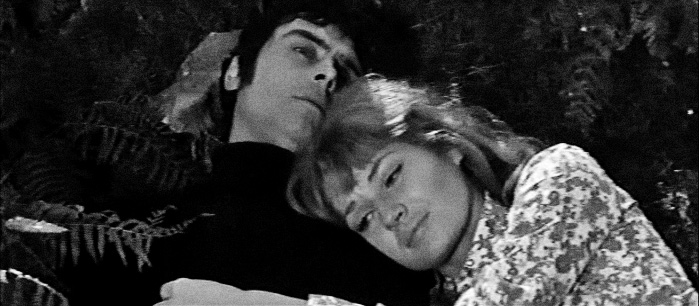
Tam Lin was also made at a high-water mark of folk rock and the returning music refrain throughout the film is the traditional folk song “The Ballad of Tam Lin” from which the film takes its inspiration, performed in the film by Pentangle and which infuses and intermingles with the more conventional music score.
The film’s story follows that of its folk music forebear which with its fantastical tales underpins and layers the sense of this being an adult fairytale; in both the film and the song a young maiden (called Janet in the film and often also in the song) is drawn to a rake-ish rogue, nature takes its course and the ridding of the resulting child is narrowly averted.
However, the young man has been encaptured by a sort of queen (of wealth in one, of the fairies in the other) and he may well become a tithe or offering to differing hells (capricious whims in one, literal in the other). Upon his escape and his lover’s attempted rescue of him, he is turned into various beasts and even burning matter by his captors in order to make her leave him (via psychedelic ingestion in one, presumably magical powers in the other). His form of transport for his escape bears the same white colour in both, though one is powered by a combustion engine and the other is of a more equine nature.

And in the end in both the queens of fairies and of wealth are angered by but acknowledge their defeat and his escape.
However, the film does not leave the viewer with the sense that this particular queen had permanently stepped away from the fray and the young lovers’ lives; there is something genuinely unsettling and even subtly psychopathic or unhinged in the portrayal of Michaela’s need for control.
Once again returning to the sense of an ending of an era and of a dream, in some ways the innocent Janet played by Stephanie Beacham is a representative of the normal, decent world outside this coven-ish pack and its ways; reflecting this, in the film it is said that they are and must be treated as scum and they appear to represent a dissolute, amoral gathering that needs to be escaped from.

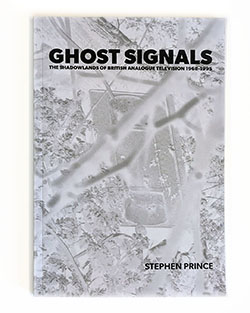
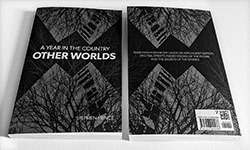
Searching For Far Off Lands Via Witchcraft Battles, Spectral Streets, Faded Visions Of The Future And The Secrets Of The Stones
Released today 9th July 2025.
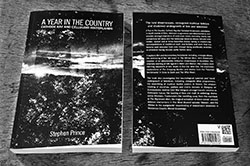
253 pages. Paperback and ebook. Author, artwork and design: Stephen Prince.
Paperback and ebook available from Amazon UK, Amazon US and their various other worldwide sites and also from Lulu.
The paperback is also available to order from other online and bricks and mortar shops; please contact them directly for more information.

A Year In The Country: Other Worlds intertwines and cross pollinates the A Year In The Country project’s core exploration of wyrd and hauntological culture with journeys to far off lands and seeks out hidden links in the cultural undergrowth.
Amongst other wyrd and far off lands it wanders to the Winter of Discontent witchcraft battles of the 1979 television adaptation of M.R. James’ Casting the Runes and the timeslip folk horror Cold War dread of Hammer House of Mystery and Suspense’s And The Wall Came Tumbling Down…
Takes a trip into the surreal dreamscape pop fantasia of Nancy Sinatra’s Movin’ With Nancy television special and spends a night in the triple bill genre melding wonderworld of the Scala cinema…
Visits the ghosts of city streets via The Sandbaggers, The Gentle Touch and Adam Scovell’s Local Haunts and opens the time capsules of faded history in The Likely Lads and the modernist’s photozines…
Steps into the shadows of the 1980s secret state cycle of British film and television via Menace Unseen and Bird of Prey and crosses over the thresholds of Kate Bush and Suzanne Cianni’s boundary breaking worlds…
Unearths the hidden histories of The Profumo Affair, Mitch Glazer’s Magic city and Edward Norton’s Motherless Brooklyn and explores the frontier-like autonomous zones of Walter Hill’s The Driver, Ryan Andrew Hooper’s The Toll and John Michael McDonagh’s The Guard…
Enters the endless “wilderness of mirrors” espionage games of Andrew Williams’ Witchfinder and conjures the lost visions of the future that are buried inside Karyn Kusama’s Aeon Flux and Robert Longo and William Gibson’s Johnny Mnemonic.
The book reflects and records a wide ranging personal cultural journey through the byways, highways, darkened alleys and edgelands of culture and variously visits, revisits and at times brings to the surface the sometimes subterranean themes and culture that have inspired and underpin A Year In The Country’s journeys amongst the wyrd spectral tales of culture.

Below is a list of the chapters in the book:
Preface: A Definition of Hauntology, its Recurring Themes and Intertwining with Otherly Folk, Folk Horror and Explorations of a Rural and Urban Wyrd Cultural Landscape
1. Menace Unseen, A.D.A.M., Tales of Unease’s Calculated Nightmare, Bird of Prey and Armchair Thriller’s Fear of God: The Secret State Cycle of British Film and Television and Prescient Technology Curios
2. Casting the Runes: Witchcraft Battles in the Winter of Discontent
3. The Dark Shadows Unaired 2004 TV Pilot: Semi-Lost Nocturnal Experiments
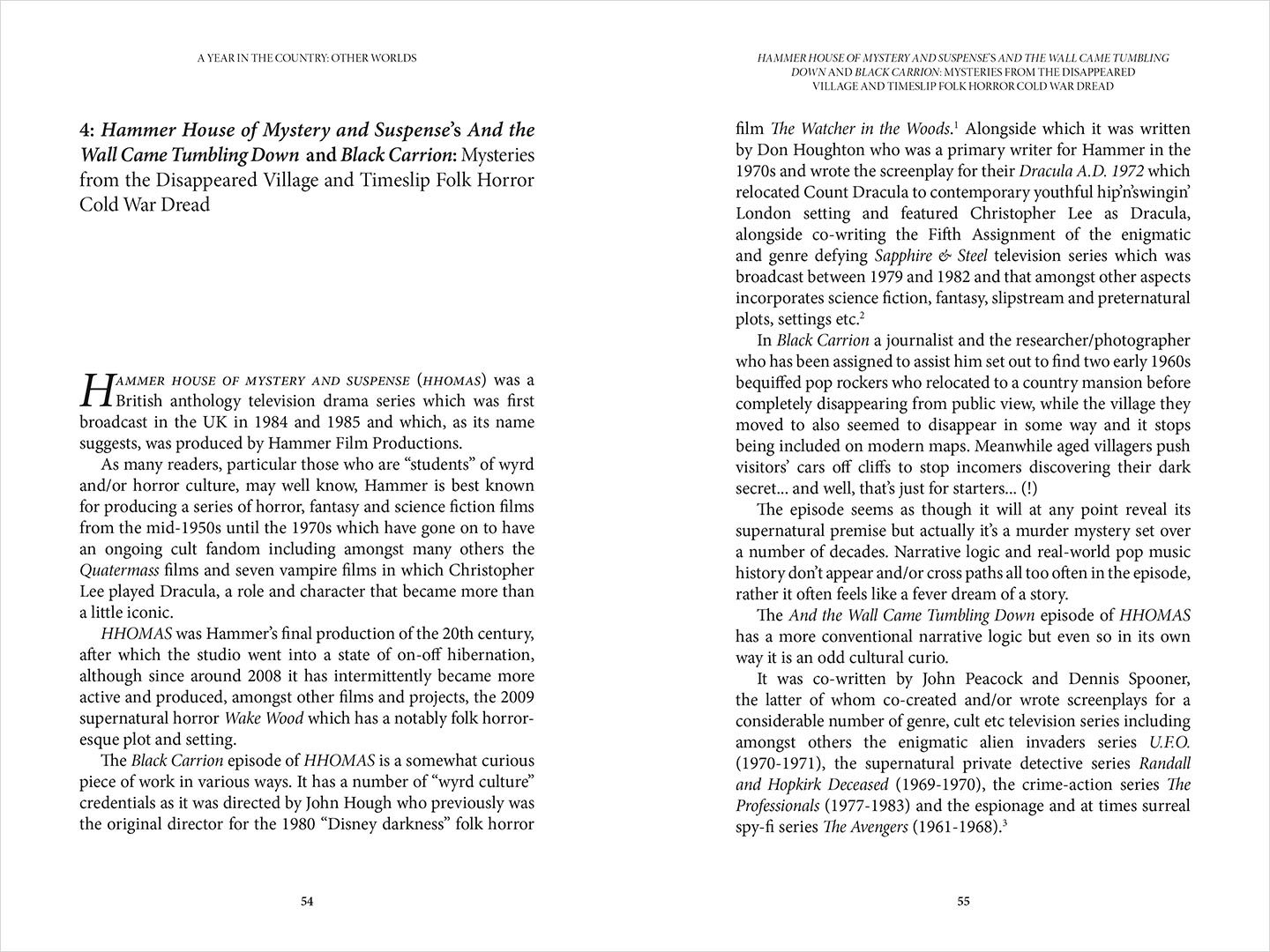
4. Hammer House of Mystery and Suspense’s And the Wall Came Tumbling Down and Black Carrion: Mysteries from the Disappeared Village and Timeslip Folk Horror Cold War Dread
5. The Gentlemen, The Hot Rock, The Driver, Welcome to the Punch, The Toll, The Guard and Into the Night: Never Never Lands and Bubble World Autonomous Zones
6. Stand By Me: The Undercurrents of an Unsupervised Journey Away from the White Picket Fences
7. Nancy Sinatra’s Movin’ With Nancy: Up and Away to a Nowhere and Everywhere Pop Fantasia
8. Andrew Williams’ Witchfinder, Alan Burton’s Looking-Glass Wars, The Gentle Touch, The Sandbaggers, The Game and Tinker Tailor Soldier Spy: Lost Lands and Endless Games in the Wilderness of Mirrors
9. Suzanne Ciani and A Life in Waves: Forging a New Future Amongst a Sea of Wires
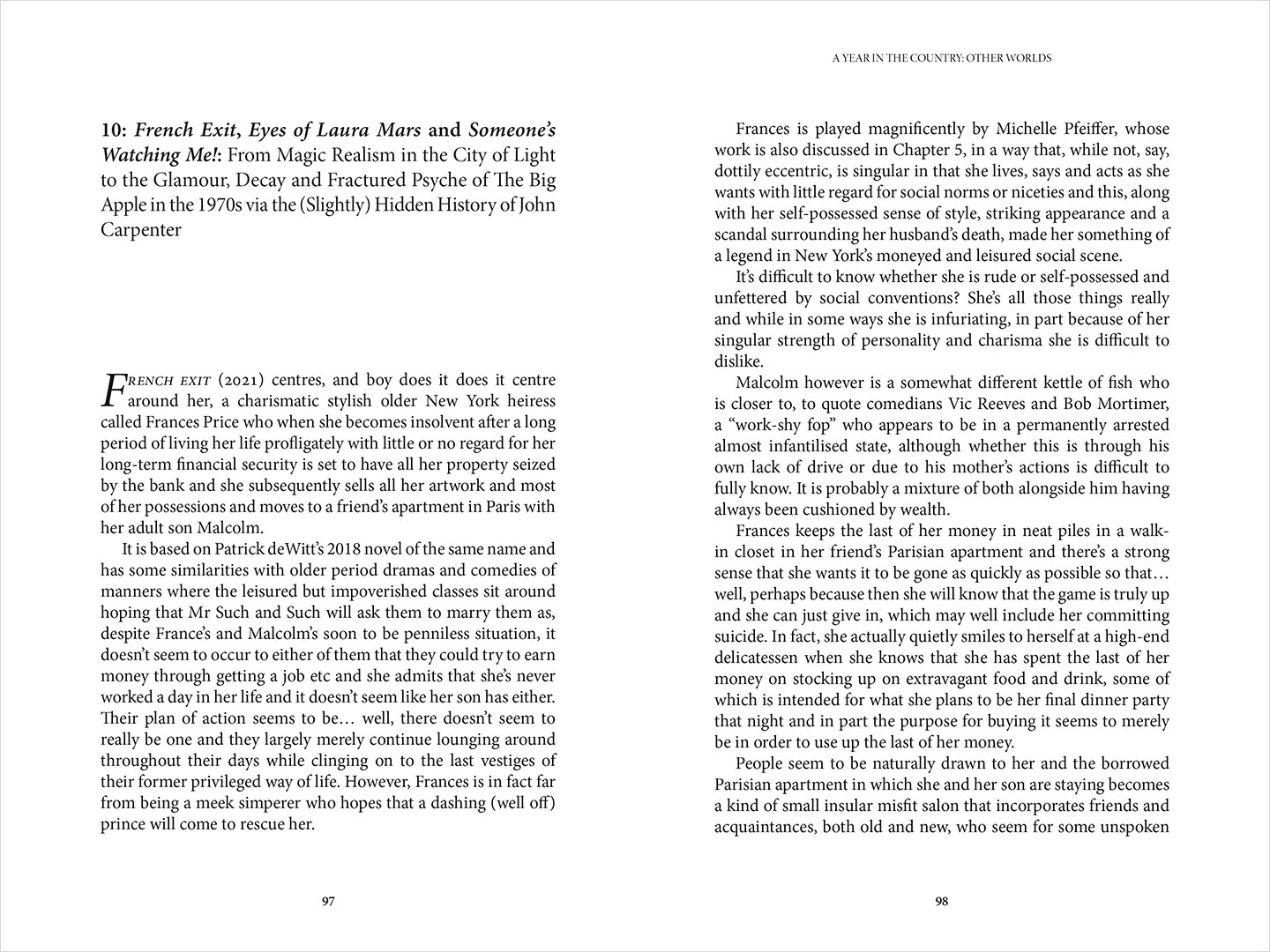
10. French Exit, Eyes of Laura Mars and Someone’s Watching Me!: From Magic Realism in the City of Light to the Glamour, Decay and Fractured Psyche of The Big Apple in the 1970s via the (Slightly) Hidden History of John Carpenter
11 Kate Bush’s “Breathing”: Adding Pagan Mushroom Clouds to the Menu of Popular Culture
12. American Gigolo and White Mischief: Decadence and Dissolution in Designer Sheets and Amongst Dusty Plains
13. Aeon Flux and Johnny Mnemonic: Edited Visions and Versions of the Future
14. Junebug: Escape and Return in the American South and the Challenges of Outsider Art
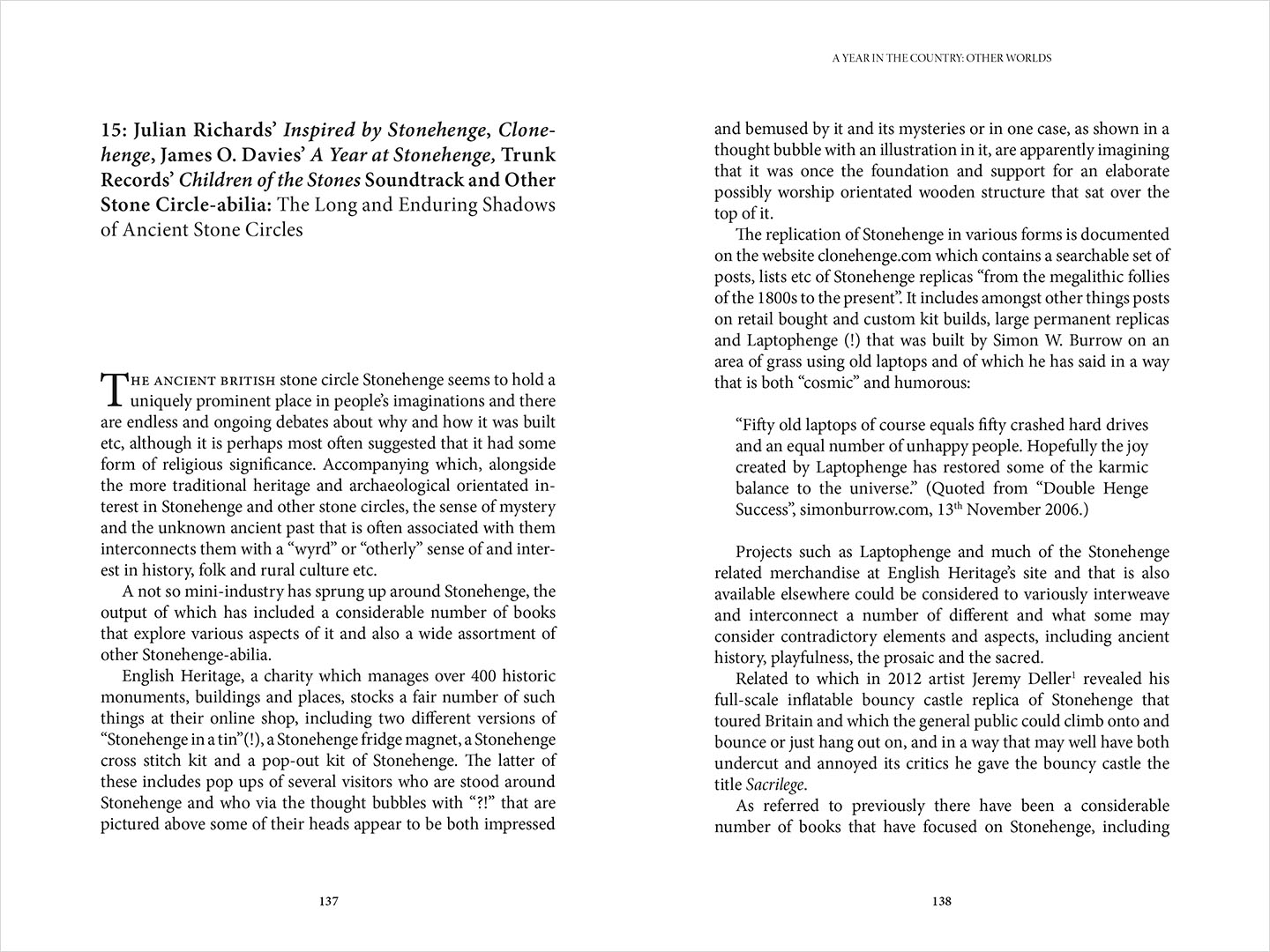
15. Julian Richards’ Inspired by Stonehenge, Clonehenge, James O. Davies’ A Year at Stonehenge, Trunk Records’ Children of the Stones Soundtrack and Other Stone Circle-abilia: The Long and Enduring Shadows of Ancient Stone Circles
16. Bergerac: Havens in the Sun, the Last Voice in the World and Echoes of the End of Days
17. The Likely Lads, Whatever Happened to the Likely Lads?, the modernist, Get Carter, Peter Mitchell’s Strangely Familiar, Bob Stanley and Pete Wiggs’ English Weather, The Reckoning, The Family Way and John Bulmer’s The North: Time Capsule Snapshots of Faded History
18. The Small World of Sammy Lee, The World Ten Times Over, Saturday Night Out, The Phantom of Soho, Too Hot to Handle, The Long Firm, Last Night in Soho, Mad Men, The Hour, Magic City, Miami Vice, Motherless Brooklyn, Scandal, The Profumo Affair, Gallon Drunk, Tindersticks and The Flaming Stars: Reimagining the Past, Heightened Realities and City Spectres
19. Henri Prestes’ We Were Born Before the Wind: Wandering Alone in Unknown Landscapes
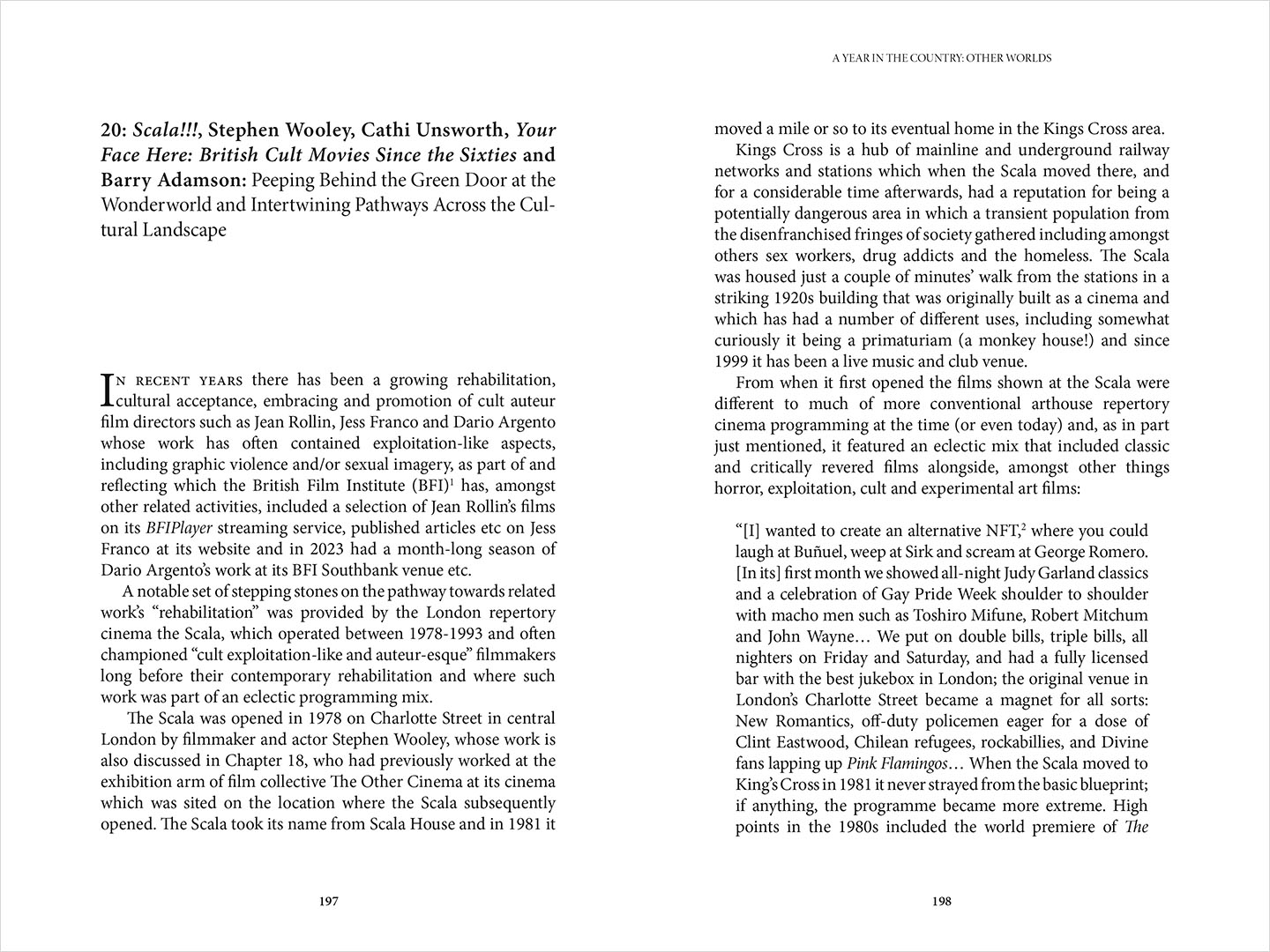
20. Scala!!!, Stephen Wooley, Cathi Unsworth, Your 195 Face Here: British Cult Movies Since the Sixties and Barry Adamson: Peeping Behind the Green Door at the Wonderworld and Intertwining Pathways Across the Cultural Landscape
21. The Snow Goose: Regeneration Amongst the Wild Things and Following the Trail of a Kafka-esque Detective Story of Magical Talismans
22. The Bawdy Adventures of Tom Jones and Queen Kong: Cultural Curios, Farce in the Fields and Rampaging Through Model Villages and Social Change
23. Adam Scovell’s Local Haunts: Wandering Amongst the Forgotten Cracks and Undercurrents of Place, Culture and History
24. Natura Journal, Barbara Bosworth and Margot Anne Kelley’s The Meadow, Beth Moon’s Ancient Trees, Ancient Skies, The Watchers and Philip Jodido’s Treehouses: From Gently Wyrd to Gently Sinister via Voyages Through Time and Subtly Alternate Views of the Natural World
Below is a list of some of the films, television programmes, albums writers etc that are discussed and referred to in the book:
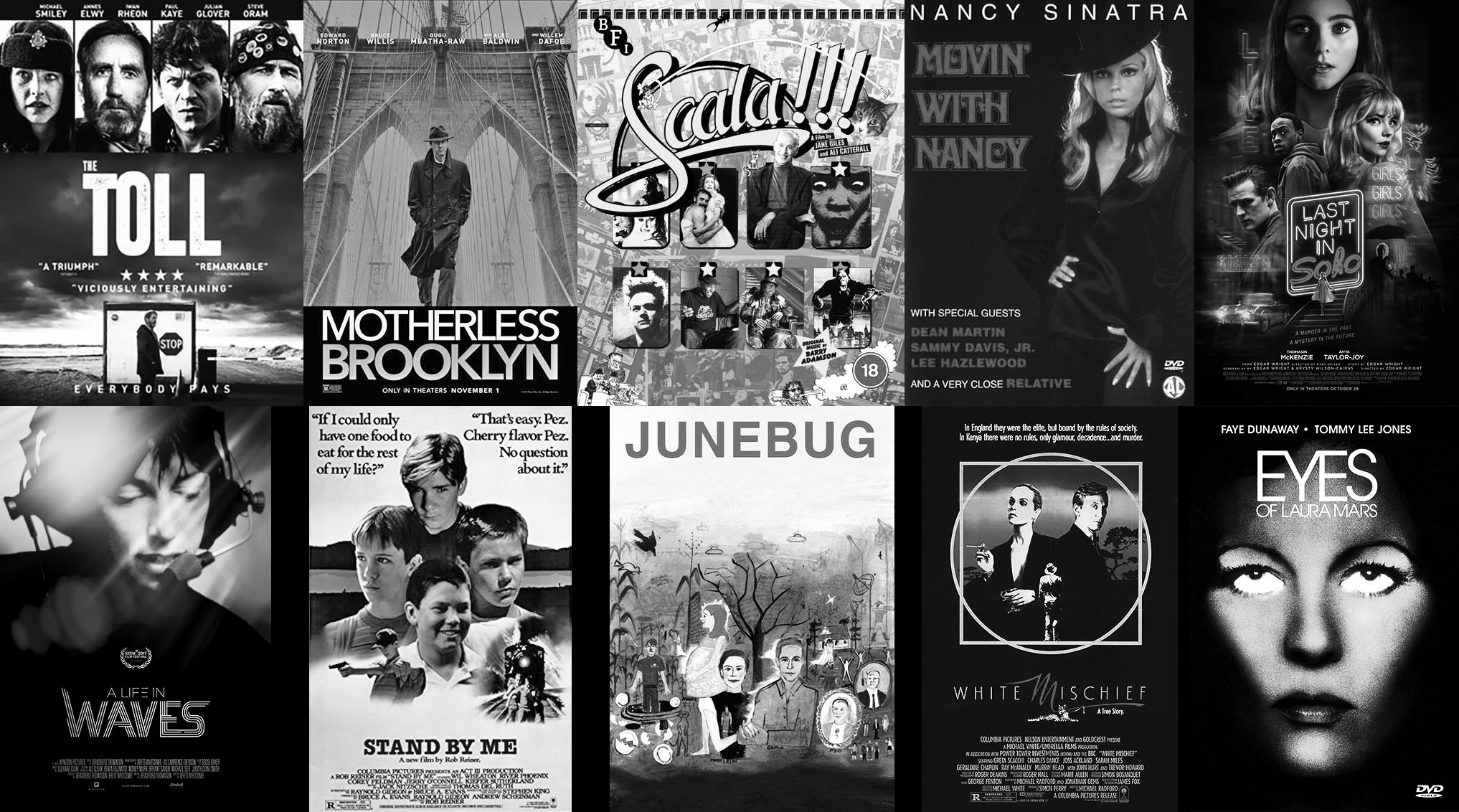
Films:
John Carpenter’s The Fog (1980), Halloween (1978), Escape From New York (1981) and Someone’s Watching Me! (1978), Irvin Kershner’s Eyes of Laura Mars (1978), Peter Yates’ The Hot Rock (1972), Eran Creevy’s Welcome to the Punch (2013), John Landis’ Into the Night (1985), Kier La-Janisse’s Woodlands Dark and Days Bewitched: A History of Folk Horror (2021), Rob Reiner’s Stand By Me (1986), Franz Josef Gottlieb’s The Phantom of Soho (1964), Tomas Alfredson’s Tinker Tailor Soldier Spy (2011), Azazel Jacbob’s French Exit (2020), Paul Schrader’s American Gigolo (1980), Michael Radford’s 1984 (1984) and White Mischief (1987), Phil Morrison’s Junebug (2005), Mike Hodges’ Get Carter (1971), Jesús Franco’s Count Dracula (1970), Marek Kanievska’s Less Than Zero (1987), Gregor Jordan’s The Informers (2008), Hancock (2008), The Vengeance of She (1968), Jack Gold’s The Reckoning (1970), Guy Ritchie’s Lock, Stock and Two Smoking Barrels (1998), Snatch (2000) and The Gentlemen (2019), Roy Boulting’s The Family Way (1966), Ken Hughes’ The Small World of Sammy Lee (1963), Wolf Rilla’s The World Ten Times Over (1963) and Village of the Damned (1960), Robert Hartford-Davis’ Saturday Night Out (1964), Edgar Wright’s Last Night in Soho (2021), Brett Whitcomb’s A Life in Waves (2017), Michael Caton-Jones’ Scandal (1989), Ali Catterall and Jane Giles’ Scala!!! (2023), Cliff Owen’s The Bawdy Adventures of Tom Jones (1976), Frank Agrama’s Queen Kong (1976), Walter Hill’s The Driver (1978), Ryan Andrew Hooper’s The Toll (2021), John Michael McDonagh’s The Guard (2011), Karyn Kusama’s Aeon Flux (2005) and Girl Fight (2000), Michael Tuchner’s The Likely Lads (1976), Robert Longo’s Johnny Mnemonic (1995), Pere Portabella’s Cuadecuc, vampir (1970), John Badham’s WarGames (1983), Steve Barron’s Electric Dreams (1984), Michael Wadleigh’s Wolfen (1981), Robin Hardy’s The Wicker Man (1973) and The Wicker Tree (2011), Iain Softley’s Hackers (1995), Robert Spafford’s The Christine Keeler Story (1964), Irwin Winkler’s The Net (1995), Brett Leonard’s Virtuosity (1995), Katheryn Bigelow’s Strange Days (1995), John Boorman’s Zardoz (1974) and Excalibur (1981), Sidney Gilliat’s Endless Night (1972), Tony Richardson’s A Taste of Honey (1961), Tom Jones (1963) and The Loneliness of the Long Distance Runner (1962), Karel Reisz’s Saturday Night Sunday Morning (1960), Val Guest’s Quatermass II (1957), Michael Reeves’ Witchfinder General (1968), Piers Haggard’s The Blood on Satan’s Claw (1971), Victor Fleming’s The Wizard of Oz (1939), William Friedkin’s To Live and Die in L.A. (1985), Richard Lester’s Superman III (1983), Stephen Poliakoff’s Hidden City (1987), John Dahl’s Kill Me Again (1989), Confessions of a Window Cleaner (1974), Joseph Sargent’s Colossus: The Forbin Project (1970), Steven Lisberger’s Tron (1982), Stephen Frears’ The Grifters (1990), Éric Rohmer’s The Green Ray (1986), Dennis Hopper’s The Hot Spot (1990), Sydney Pollack’s Three Days of the Condor (1975), Roman Polanski’s Chinatown (1974), Stanley Kubrick’s A Clockwork Orange (1971), Lionel Jeffries’ The Railway Children (1970), Michael Anderson’s Logan’s Run (1976), John Sturges’ The Eagle Has Landed (1976), Jeannot Szwarc Somewhere in Time (1980), Roddy McDowall’s The Ballad of Tam-Lin (1970), Merian C. Cooper and Ernest B. Schoedsack’s King Kong (1933), Michael Mann’s The Keep (1983) and Thief (1981), Carol Reed’s Oliver! (1968), John Guillermin’s King Kong (1976), Jerry Schatzberg’s Puzzle of a Downfall Child (1970), René Clément’s The Deadly Trap (1971), Sidney Lumet’s Network (1976), Peter Strickland’s In Fabric (2018), Fred de Cordova’s Bedtime for Bonzo (1951), the Carry On films (1958-1992), Jean Luc Godard’s Alphaville (1965), Terence Young’s Too Hot to Handle (aka Playgirl After Dark) (1960), Freddie Francis’ Dark Tower (1987), David Lynch’s Blue Velvet (1986), Michael Laughlin’s Strange Invaders (1983), the James Bond films Diamonds Are Forever (1971), Live and Let Die (1973), The Man with the Golden Gun (1974), Speed (1994), Shin’ya Tsukamoto’s Tetsuo: The Iron Man (1989), Chris Marker’s La Jetée (1962), Mike Leigh’s High Hopes (1988), Lewis Gilbert’s Alfie (1966), Michelangelo Antonioni’s Blowup (1966), Luis Buñuel’s The Discreet Charm of the Bourgeoisie (1972), Fred M. Wilcox’s Forbidden Planet (1956), Psychomania (1973), Michael Almereyda’s Nadja (1994) and David Gladwell’s Requiem for a Village (1975).
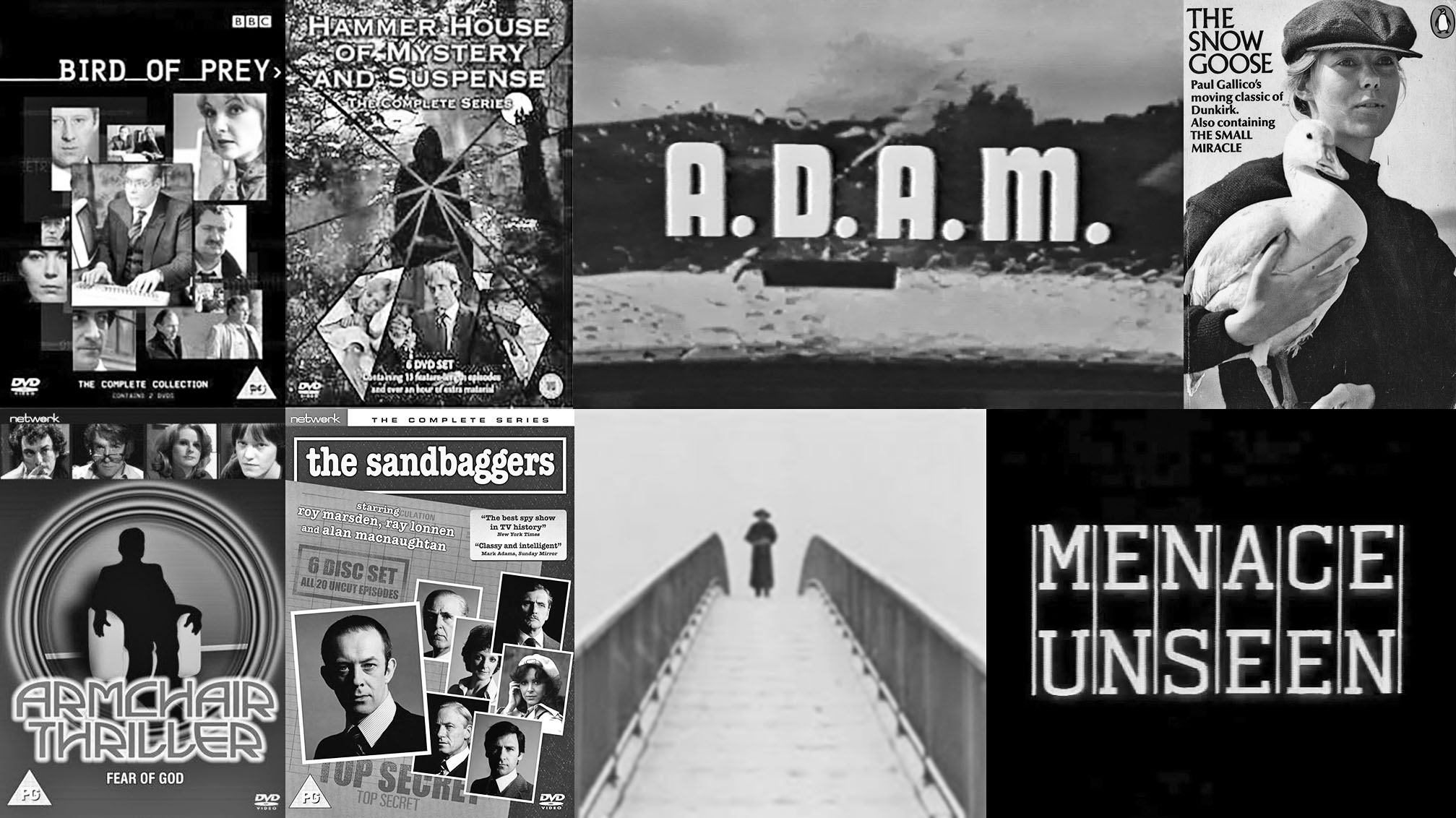
Television:
Tales of Unease’s Calculated Nightmare (1970), Armchair Thriller’s Fear of God (1980), Dark Shadows (2004), Hammer House of Mystery and Suspense’s And The Wall Came Tumbling Down and Black Carrion (1984), The Gentle Touch (1980-1984), Worzel Gummidge (2019-), The Mind Beyond’s Stones (1976), The Game (2014-2015), The Changes (1975), Bergerac (1981-1991), The Stone Tape (1972), A Ghost Story for Christmas (1971-1978), Saturday Night Theatre’s A.D.A.M. (1973), Dick Clement and Ian La Frenais’ The Likely Lads (1965) and Whatever Happened to the Likely Lads? (1973-1974), The Owl Service (1969-1970), Cast a Deadly Spell (1991), Witch Hunt (1994), Buffy the Vampire Slayer (1997-2003), Sapphire & Steel (1979-1982), The Long Firm (2004), Detectorists (2014-2022), Dad’s Army (1968-1977), Dynasty (1981-1989), Mad Men (2007-2015), Against the Crowd’s Murrain (1975), The Hour (2011-2012), Noah’s Castle (1979), Miami Vice (1984-1989), The Snow Goose (1971), ITV Playhouse’s Casting the Runes (1979), A Very Peculiar Practice (1986), The Prisoner (1967), Movin’ With Nancy (1967), The Sandbaggers (1978-1980), The Six Million Dollar Man (1973-1978), Steptoe and Son (1962-1974), Menace Unseen (1988), Play for Today’s The Lonely Man’s Lover (1974), Call the Midwife (2012-), The Witches of Pendle (1976), The Vision (1987), Are You Being Served? (1972- 1985), ‘Allo ‘Allo (1982-1992), Bird of Prey (1982), Magic City (2012-2013), Edge of Darkness (1985), The Avengers (1961-1969), Leap in the Dark (1973-1980), Penda’s Fen (1974), Red Shift (1973), U.F.O. (1970-1971), Randall and Hopkirk Deceased (1969-1970), The Professionals (1977-1983), Department S (1969-1970), Jason King (1971-1972), The New Avengers (1976-1977), The Sweeney (1975-1978), Callan (1967-1972), Minder (1979-1994), Top of the Pops (1964-2006), Protect and Survive (1974-1980), Nationwide (1969-1983), Carrot’s Lib (1982-1983), Doctor Who (1963-), Ken Hughes’ Sammy (1958) and Quatermass (1953-1979).
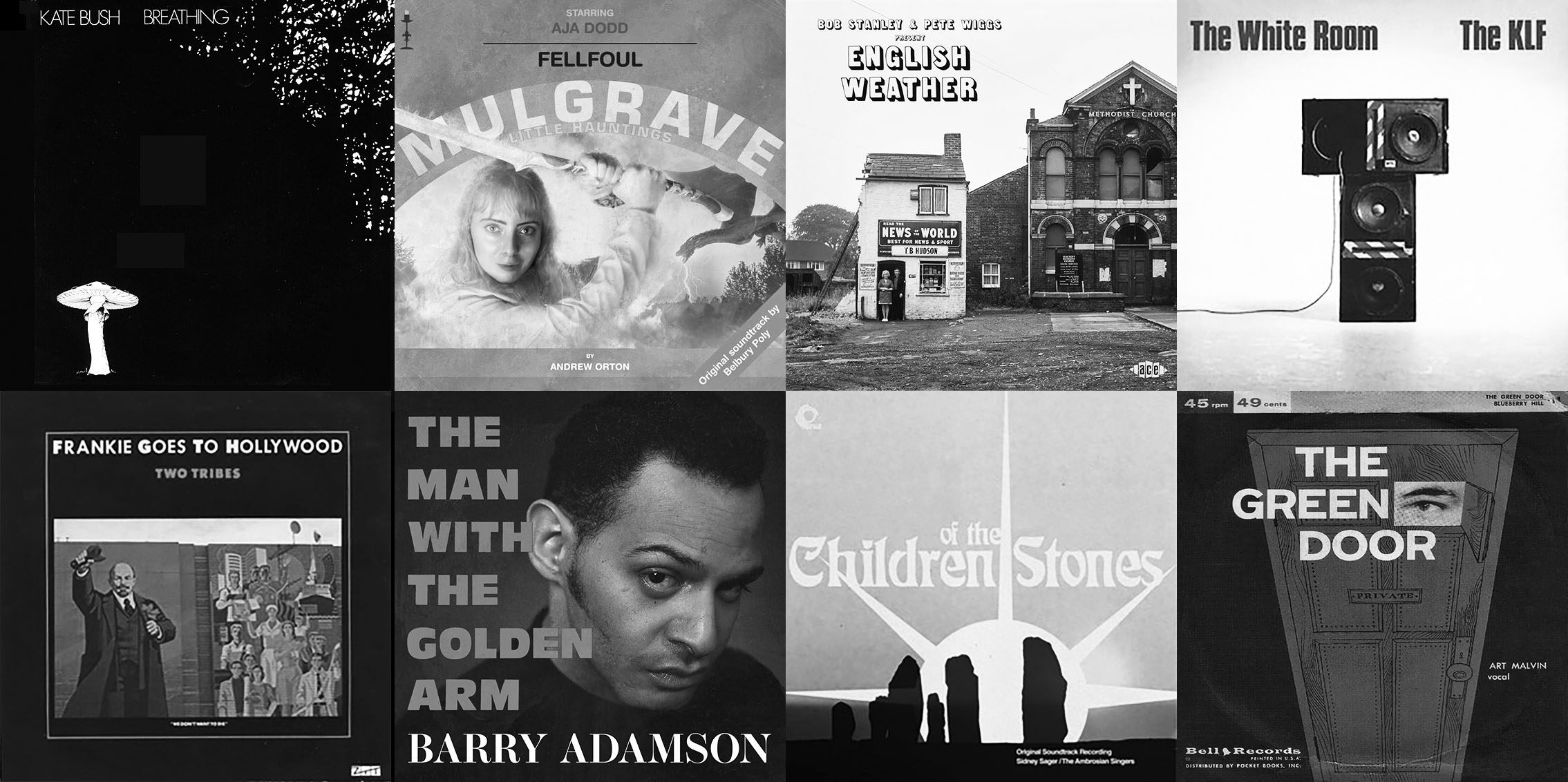
Music, musicians, record labels, albums etc:
Kate Bush’s “Breathing”, Suzanne Cianni, Jonny Trunk / Trunk Records’ Children of the Stones and The Wicker Man soundtrack albums, Bob Stanley and Pete Wiggs’ English Weather (2017), Saint Etienne, Gallon Drunk, Ghost Box Records, Tindersticks, The Flaming Stars, The Owl Service, Barry Adamson, Phil Collins, The Hare And The Moon, Nancy Sinatra, Lee Hazelwood, Sammy Davis Jr., Frank Sinatra, Sproatly Smith, Delia Derbyshire, Finders Keepers Records, Luke Haines, Dave Greenslade, Frankie Goes To Hollywood, the BBC Radiophonic Workshop, Alan Gubby / Buried Treasure, Mulgrave Audio, The Smiths, The Rowan Amber Mill, New Order, Moon Wiring Club, Megadeath, R.E.M., Elmer Bernstein, Bob “Hutch” Davie, Marvin J. Moore, The KLF, Jimmy Cauty, Bill Drummond, Enya, The Watchers (2019), Jimmy Webb, The Cramps, Camel, The Fifth Dimension and Broadcast and The Focus Group Investigate Witch Cults of the Radio Age (2009).
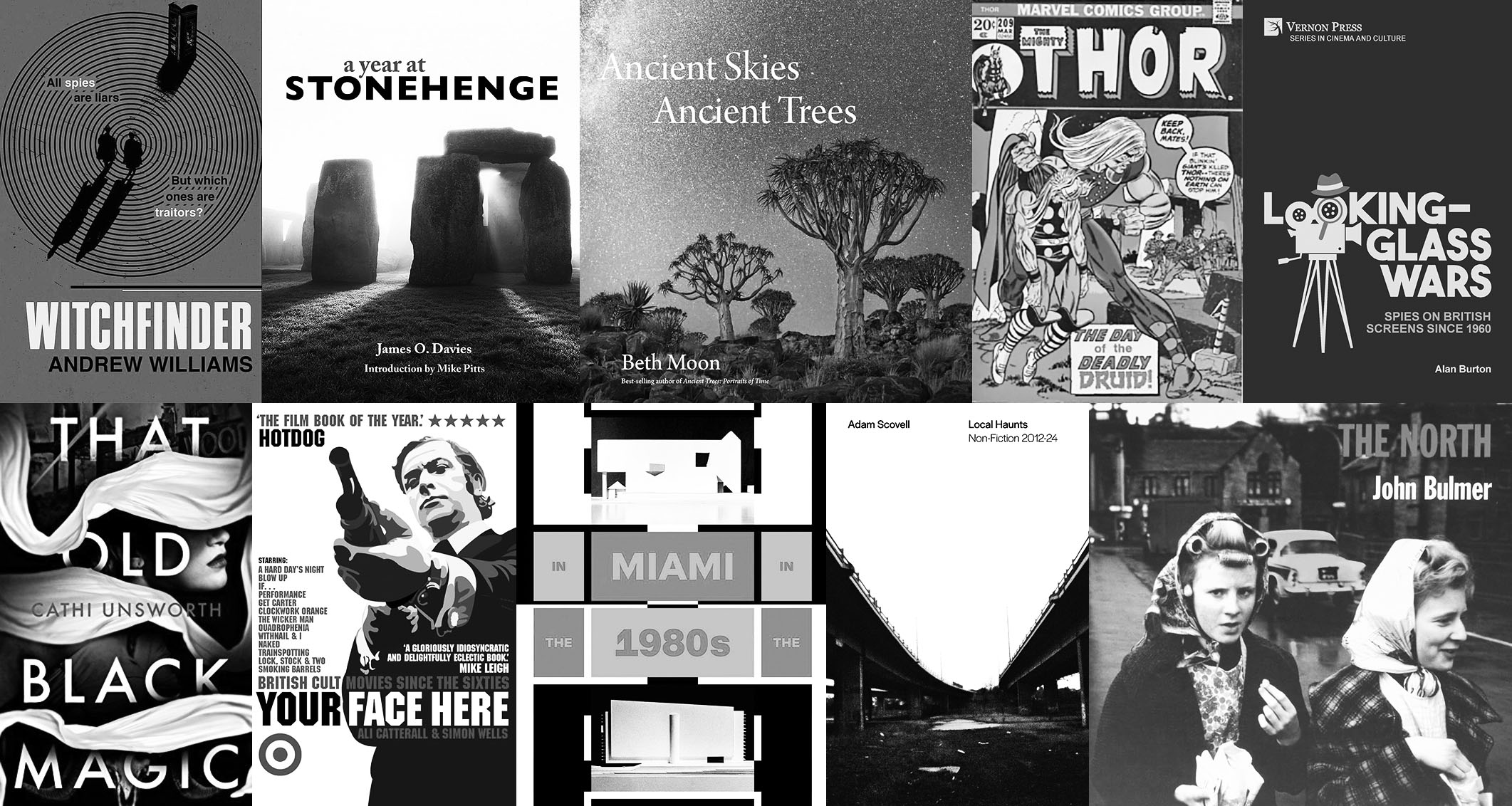
Books, journals, graphic novels, zines etc:
James O. Davies’ A Year at Stonehenge (2013), Alan Burton’s Looking-Glass Wars: Spies on British Screens since 1960 (2018), Cathi Unsworth’s That Old Black Magic (2018) and Bad Penny Blues (2009), Peter Mitchell’s Strangely Familiar (2013), Mark Fisher’s The Weird and the Eerie (2016), Gather in the Mushrooms: The British Acid Folk Underground 1968-1974, John Bulmer’s The North (2012), Ali Catterall and Simon Wells’ Your Face Here: British Cult Movies Since the Sixties (2002), Henri Prestes’ We Were Born Before the Wind (2022), Allan Brown’s Inside the Wicker Man (2000), Julian Richards’ Inspired by Stonehenge (2009) and Stonehenge: A History in Photographs (2004), Ronald Blythe’s Akenfield: Portrait of an English Village (1969), David Profumo’s Bringing Down the House: A Family Memoir (2007), Michael Morpugo’s War Horse (1982), David Lloyd and Alan Moore’s V for Vendetta (1982-1989), Sophie Goodison’s Natura Journal (2019-2020), Barbara Bosworth and Margot Anne Kelley’s The Meadow (2016), Rob Young’s Electric Eden: Unearthing Britain’s Visionary Music (2010), Philip Jodido’s Treehouses (2017), Weird Walk (2019-), Beth Moon’s Ancient Trees, Ancient Skies (2021) and Ancient Trees: Portraits of Time (2021), Adam Scovell’s Folk Horror: Hours Dreadful and Things Strange (2017) and Local Haunts (2025), Warrior (1982-1985), Andrew Williams’ Witchfinder (2019), the modernist’s Stop Press: The Last Days of the Coventry Evening Telegraph (2020) and From the Archives: Progress (2020), William Gibson’s Neuromancer (1984), Birgit Menzel et al’s The New Age of Russia: Occult and Esoteric Dimensions (2012), J.G. Ballard’s High-Rise (1975), D.K. Holm’s Film Soleil (2005), Howard David Ingham’s We Don’t Go Back: A Watcher’s Guide to Folk Horror (2018), Steven Sanders’ Miami Vice (TV Milestone Series) (2010), Jeff Thompson’s The Television Horrors of Dan Curtis: Dark Shadows, The Night Stalker and Other Productions (2019), Robert G. Folsom’s The Life and Mysterious Death of Ian Mackintosh: The Inside Story of The Sandbaggers and Television’s Top Spy (2012), James Fox’s White Mischief (1982), Arthur C. Clarke’s Profiles of the Future: An Inquiry into the Limits of the Possible (1962, 1973), The Mighty Thor’s The Day of the Deadly Druid (1973), Robert Caro’s The Power Broker (1974), Charlotte von Moos et al’s Miami in the 80s: The Vanishing Architecture of a “Paradise Lost” (2022), George Orwell’s 1984 (1949) Mark Reisner’s Cadillac Desert: The American West and its Disappearing Water (1986), Ernest Mathijs’ Alternative Europe: Eurotrash and Exploitation Cinema Since 1945 and John Wyndham’s The Midwich Cuckoos (1957) and Day of the Triffids (1951).
Other writers:
M.R. James, Stephen King, Kristen Gallerneaux, Paul Morley, John Le Carré, Angel Carter, Paul deWitt, Diane Rodgers, Jake Arnott, Bob Fischer, Robert Macfarlane, Bernice Glatzer Rosenthal, H.P. Lovecraft, Vic Pratt, William Fowler, Donald E. Westlake, Marc Augé, Mary Hayley Bell, Agatha Christie, Jonathan Lethem, Bret Easton Ellis, Anthony Burgess, Paul Gallico, I.Q. Hunter, Bill Naugton and Alan Garner.
Other artists and photographers:
David LaChapelle, Jeremy Deller and Helmut Newton.
Blu-ray and DVD releasing companies etc:
Powerhouse Indicator, Network, Shout! Factory/Scream Factory, Vinegar Syndrome, FilmRise, Kino Lorber, 101 Films, Eureka!, StudioCanal and The BFI / The BFI Flipside.
Other filmmakers, directors, screenwriters etc:
Ben Wheatley, Abi Morgan, John Hughes, Clive Exton, Lawrence Gordon Clark, P.J. Hogan, Jean Rollin, Mark Verheiden, Tom Mankiewicz, Mat Manfredi, Derek Jarman, Phil Hay, Barry Collins, John Waters, Tony Tenser, Jeremy Lloyd, Dan Curtis, Toby Whitehouse, Mitch Glazer, Hal Hartley, Don Houghton, John Hough, Stephen Wooley, Irene Shubik, Anthony Yerkovich, Ian Mackintosh, John Peacock, Dennis Spooner, Martin Scorsese, Ron Koslow, Jack Haley Jr., Sherry Lansing, Dario Argento, Cyrus Stowe, Don Carmody, Angus MacLachlan, Quentin Tarantino, Ronnie Maxwell, Matt White, Jodie Tillen, Steven Spielberg, Troy Kennedy Martin and Nigel Kneale.
Actors etc:
Ian Ogilvy, Charles Kay, Christopher Lee, Georgina Hale, Iain Cuthbertson, Peter Wyngarde, Barbi Benton, Gareth Hunt, Jan Francis, Michelle Pfeiffer, Roy Marsden, Jill Gascoine, Faye Dunaway, Lauren Hutton, Richard Gere, Adrienne Barbeau, Charlize Theron, Martin Donovan, Keanu Reeves, Robin Askwith, John Nettles, Patrick Allen, Hayley Mills, Hywel Bennett, Nicol Williamson, Joanne Whalley, John Hurt, Jeff Goldblum, Anthony Newley, Jasper Carrott, Vera Day, Don Johnson, Philip Michael Thomas, Jenny Agutter, Richard Harris, Jayne Mansfield, Nicky Henson, Terry Thomas, Joan Collins, Madeline Smith, Joss Ackland, Greta Scacchi, Charles Dance, Albert Finney, Dudley Sutton, Judy Garland, Michael Caine, Murray Melvin, Donald Sutherland, Robert Duvall, Donald Pleasance, Mackenzie Crook and Rula Lenska.
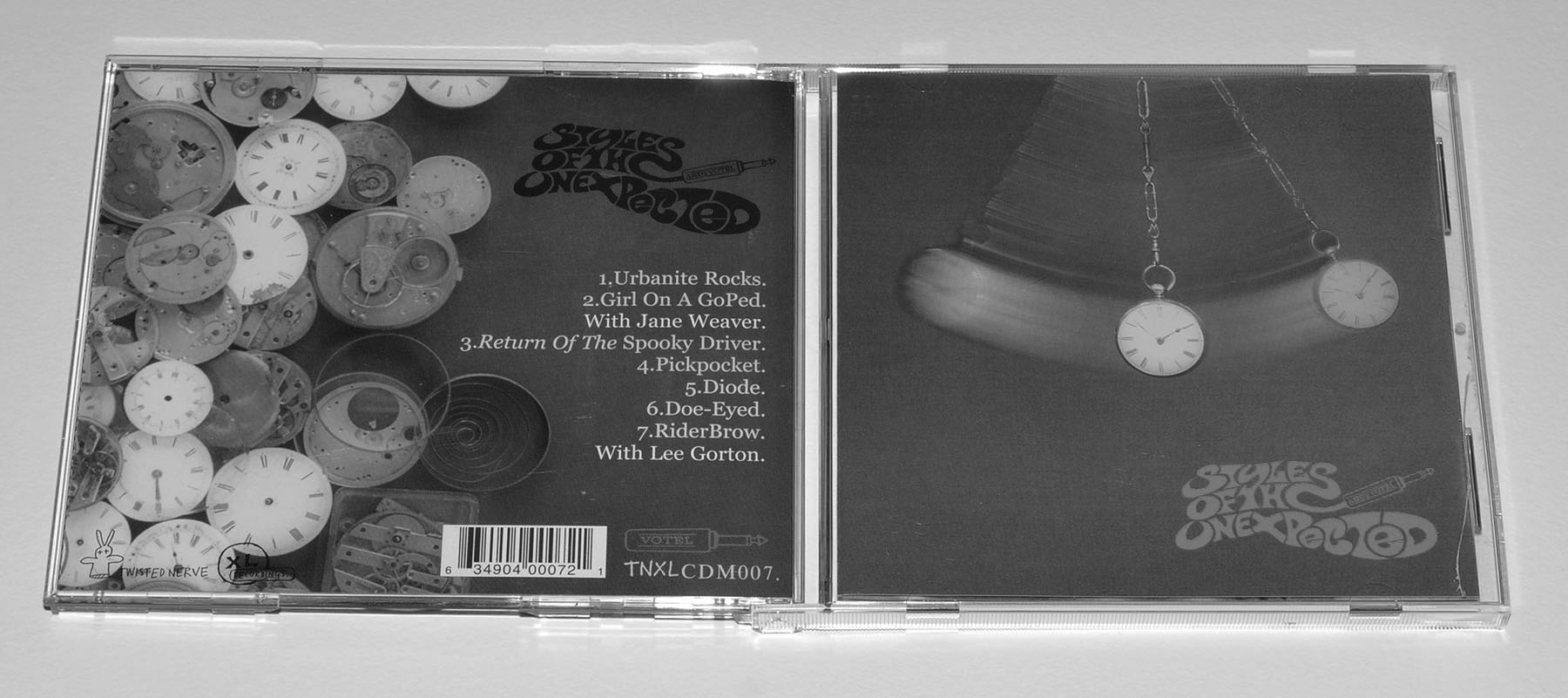
This has in part a glitchy spectral melancholia that wouldn’t seem out of place amongst contemporary hauntology; along which lines, it could be filed alongside Bridge and Tunnel, whose music shared similar characteristics and both could be seen as turn of the millennium hauntology precursors.

“That summer the countryside had suddenly become an unknown world. A ghost story without the ghosts but they were expected any minute.” (Quoted from Rainy Day Women.)
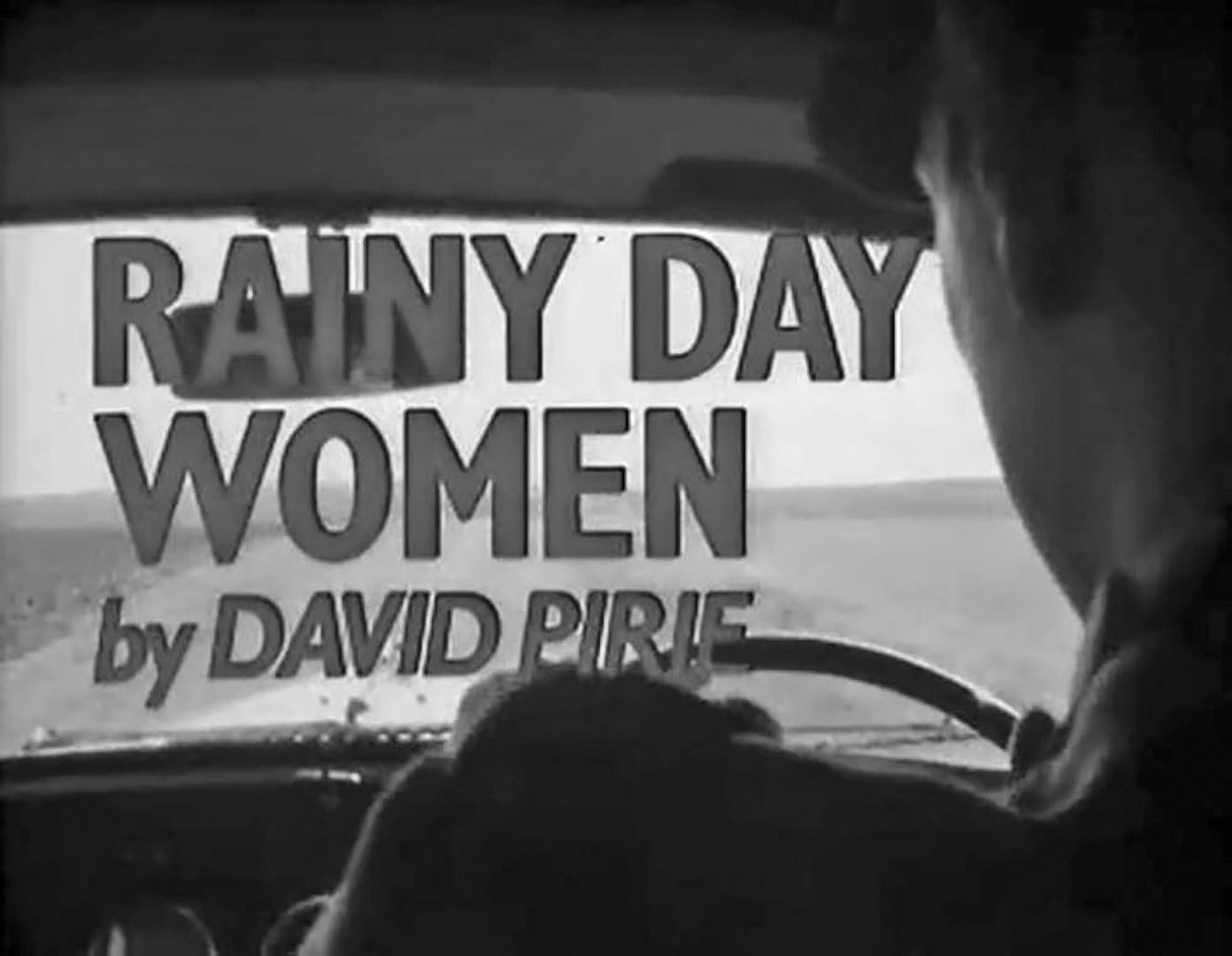
Rainy Day Women (1984), written by David Pirie and directed by Ben Bolt, was one of the later episodes of the BBC’s Play for Today television anthology drama strand that was broadcast between 1970 and 1984, and it is a thought-provoking and unsettling piece of work which uncompromisingly, and in at times a transgressively blunt and even shocking manner, explores both historic and ongoing gender roles, norms and related societal priorities. Viewed today, it is almost difficult to comprehend that challenging work such as this was once part of the everyday mainstream British television landscape.
Set during the Blitz in the Second World War, its main location is an isolated and classically British bucolic (in appearance at least) village where a male army officer who is suffering from shell shock/PTSD is sent to investigate rumours of a German spy.
While having its own character, the drama recalls the likes of Witchfinder General (1968), Straw Dogs (1971) and The Wicker Man (1973) in the way it deals with the fear and persecution of women, rural communities as an unknowable and threatening “other” which distrusts and closes ranks against outsiders, an outsider in a position of authority who is removed from the infrastructure which supports that authority and subsequently finds it neutered and the escalation of tensions into violent mob rule.
The few men who have not gone off to fight in the war and who remain in the village have become drunk with the power that their position as part of the auxiliary local defence Home Guards and the guns that go with it provide, and rather than seeming like patriots who wish to defend their country against invasion and the enemy within, they have become bullying jobsworths… and then much worse.
Their fears, worries and hatred of potential German spies does not seem so much an expression of patriotism but rather to be a form of moral panic and folk devils. That this is the case is implied through their fears etc being expressed and finding focus and release via their persecution of a local, independently-minded, politically progressive and cultured woman who challenges and threatens their traditional male authority and associated expected social norms.
For the local men the woman’s independence etc marks her out as somebody to be mistrusted and she is known as a “witch” and thought to most probably be a spy. Their suspicions regarding her are supposedly in part because of her husband having been interned due to being German, but this seems more like a convenient excuse which enables the Home Guard’s persecution of her, rather than the actual cause of their suspicions.

The incomer Land Girls who have come to work on the local farms due to the men going off to war have been billeted with this woman in her isolated home and there are rumours of sexual “deviancy” amongst them, alongside a seemingly ever-present undercurrent of fear amongst the men with regards to female emancipation. This is accompanied by worries that the woman will “turn” or corrupt the Land Girls and this will lead to an ending of their acquiescence to the men and disrupt the traditional social hierarchy.
When the men’s suspicions, paranoia and perceived threats to their positions of masculine authority grow with regards to the woman, this leads to a deadly denouement and the killing of both her and her supposed acolytes by the men, some of whom in turn are also killed when higher outside authorities attempt to intervene.
Prior to this, the attempts to control the men’s actions and protect the women by the outsider officer fail as his position of power and authority are made ineffective in the face of the local men’s mob rule which is able to flourish due to the village’s isolation from the outside world, and as referred to previously this isolation causing a neutering of his externally bestowed and underpinned authority. Even when he tries to seek help from the nearest military base, desperately fleeing the village on foot after the Home Guards disable his vehicle and travelling at night through a difficult and forbidding rural landscape, he is unsuccessful. The women’s plight is seen by the commanding officer at the base as being a lower priority than dealing with the start of a German invasion (which turns out to not be actually happening), and the outsider officer’s pleas for help are also dismissed due to his shell shock meaning he is thought to be mentally unstable.

At the end of the play, it is revealed that the events in the village have been covered up by the authorities who, after the deaths, blew up the house where the women took refuge in order to hide evidence of what happened, disguising the explosion as the result of a German air raid.
As with the exploration of conflicts between genders and about social norms and priorities that are depicted in Rainy Day Women, this somewhat bleak ending is not used purely for dramatic and atmospheric purposes but appears to be a way of enabling an exploration and comment on societal and institutional attitudes.
In the play, it is suggested that those responsible for the nation’s internal propaganda during the war were willing to do whatever it took in order to prevent possible threats to morale, which events in the village are considered to be due to them being a source of potential scandal and an example of extreme societal conflict and fracture.
Rainy Day Women can be loosely placed alongside work which has been labelled as folk horror, in particular because of the way that it depicts rural areas as isolated places where the norms and conventions that govern and restrict society, individuals and behaviour are able to fall away. The drama’s story also contains what writer Howard David Ingham has described as being the central tensions of folk horror; the conflict between those who wish to return/retain the “old ways” and those of a more modern mind set who take the standpoint that “We don’t go back” and think that madness and chaos will ensue if we do.
Accompanying these aspects there is the push and pull contrast that is at times found in folk horror between the play’s rural location and its bucolic beauty and the immediate and ever- growing sense of threat and moral disintegration. Intertwining with this is the way that the quality of the unofficially distributed online streamable version, which as I discuss below is currently one of the only ways in which the play can be more easily viewed in the UK, is considerably degraded, and this lends a darkened, grimy air and atmosphere to the village and events there.

At the time of writing, Rainy Day Women is only available in a licensed manner in the UK via a private viewing as part of the BFI National Archive at one of five BFI Mediatheque centres. It is more widely available in the UK via unofficially distributed DVDs, and also unofficially through having been posted online at public video streaming platforms such as YouTube.
However, in a manner that reflects the notably patchwork and convoluted nature of contemporary online television distribution, particularly in relation to productions from previous decades, Rainy Day Women is available to watch in the US in an officially licensed manner via the archival film and television orientated subscription based streaming service Britbox.

Which leads me to the article “Folk horror and Play for Today, the ‘National Theatre of the airwaves’”, written by William Fowler, that was posted at the BFI’s site on 20th October 2020 and which was where I discovered about Rainy Day Women. In the article he wrote:
“Analogue broadcast television is truly still the undiscovered country, countless artifacts lying in wait to be overturned by the plough… There are countless oddities and genre hybrids, folk horror and otherwise, to discover across the huge, unlikely vistas of British TV land, including but also going far beyond Play for Today. Large and unwieldy, the dales and dark woodland of this landmass are at least partially fenced in with the ceasing of the analogue signal in 2012. Or earlier still with the 1990 Broadcasting Act, which opened up the bandwidth, coaxing what would become Sky television into existence and increasing the levels of now overt competition between the channels… From that point on, it was less likely that strange things, even politically pertinent and radical things, might occupy a primetime mainstream platform… [The best of Play for Today] still say something about the lie of the land. They are all plays for today: slippery, open to different contexts, and ready for resurrection.”

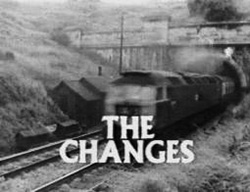
As suggested through the historical context provided in the above quote, Rainy Day Women was produced towards the end of a period when there was space in British mainstream television for “strange… and radical things”, which had previously allowed for the production and broadcasting of the likes of challenging work that included The Owl Service (1968), Penda’s Fen (1974), The Changes (1975) and Stargazy on Zummerdown. Such work could be seen to indicate how during the 1970s the experimentation and liberalism within society and culture that occurred during the late 1960s and into the 1970s had come to also be present to a degree in institutions such as the BBC.

Andy Beckett and Roger Luckhurst suggested in The Disruption (2017), a booklet that featured a conversation between them on The Changes and from which the above quote is taken, that this had the result of enabling and allowing for experiments and, to a degree, the pushing of boundaries:
“Permitting experiments and allowing the pushing of boundaries here and there…”
The peak for this “boundary-pushing” may well have been during the 1970s but to a degree examples of it, including Rainy Day Women, can also be found in the 1980s, albeit in an increasingly embattled manner:
“[The 1980s could perhaps] be seen as having been part of a golden age in British television drama, which was given space to take risks and provide its audiences with [television drama] that was challenging, dealt with sometimes contentious issues but which also entertained… notable series to do so from this period might include the likes of Dennis Potter’s The Singing Detective (1986), Alan Bleasdale’s The Monocled Mutineer (1986)… Troy Kennedy Martin’s Edge of Darkness (1985)… [and A Very Peculiar Practice (1986-1988)]. In some ways, such work can now be seen as flashes of rearguard resistance to a sea-change in society and broadcasting culture brought about by the increasing dominance of free-market economics and an ascendant right-leaning political philosophy…” (Quoted from A Year In The Country: Straying From The Pathways, 2018.)

Now here’s a lovely “under the radar” thing that’s been released this week…
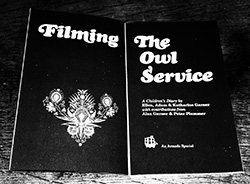
The Owl Service’s new album The Pattern Beneath the Plough (and it feels good to be able to write “The Owl Service’s new album” as I think it’s been around a decade since the last one).
Much of The Owl Service’s previous work has been alt-folk-esque but the new album wanders down different but interconnected pathways and is described as being:
“A 44 minute ambient folk-horror sound collage, constructed using samples from classic folk records with additional live synth and drum programming, all laid over a bed of dialogue and sound effects from cult films and TV broadcasts.”
It creates a sundappled and at times gently melancholic layered plunderphonic folkloric dreamscape that reflects The Owl Service founder Steven Collins’ “own journey of musical discovery” and what is described as “a pilgrimage of sorts, with Collins going in search of a semi-mythical Olde England while at the same time acknowledging that perhaps what he had hoped to find never really existed”.
Which brings me back to “under the radar”… the album has been released in a limited run of 100 CDs that are only available privately by messaging Steven Collins via the band’s Instagram and Facebook pages:
www.facebook.com/theowlserviceband
www.instagram.com/theowlserviceband
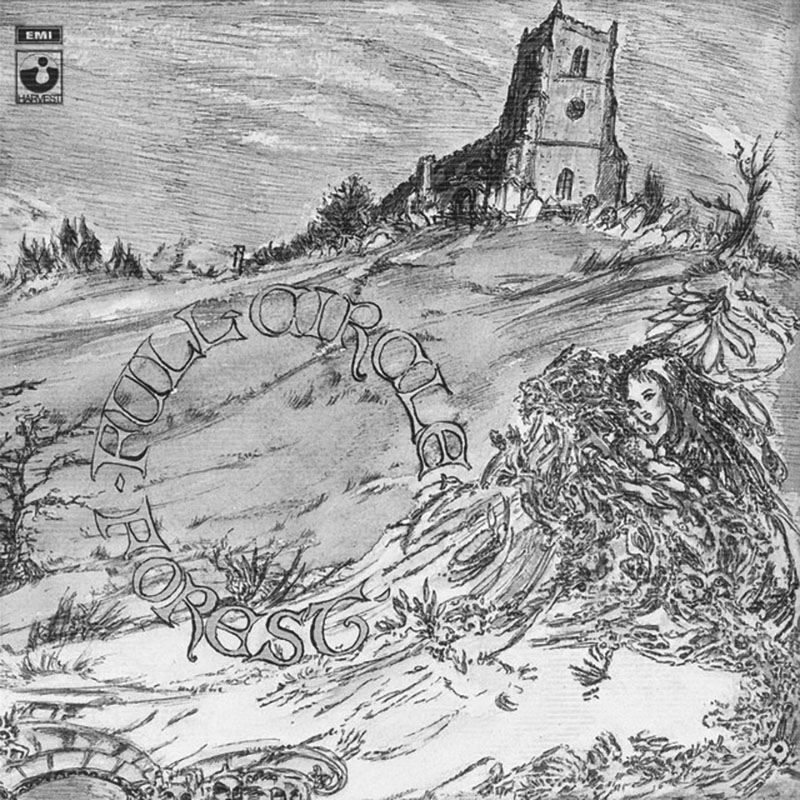
A fine slice of gothic acid/psych folk. As featured on the Gather in the Mushrooms: The British Acid Folk Underground 1968-1974 compilation from which, as I’ve written previously in these posts, a lot of A Year In The Country’s wanderings and wonderings seem to have sprung…


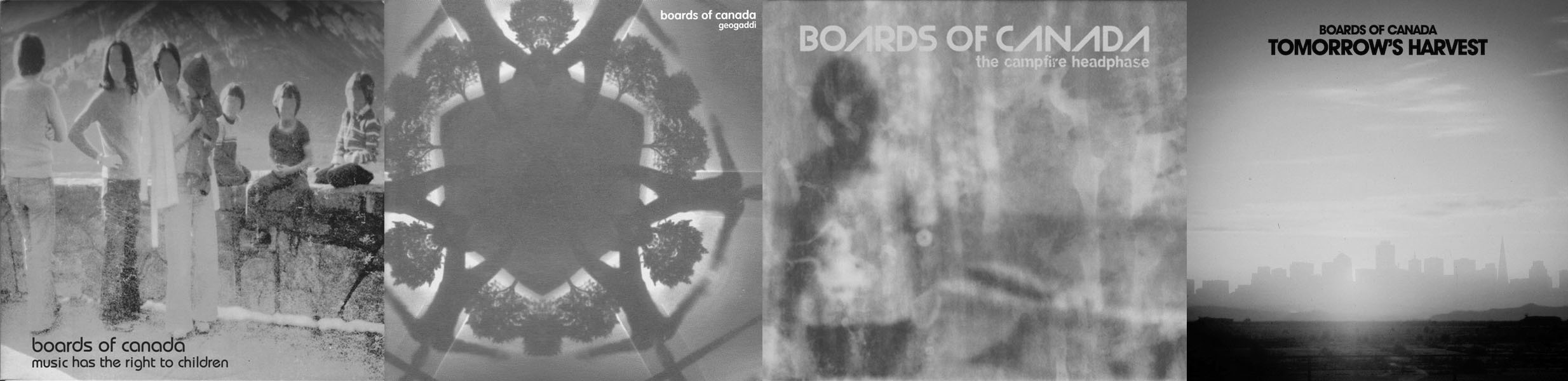
Boards of Canada is the name that Michael Sandison and Marcus Eoin make music as, and who for a considerable period were based in rural Scotland near to the capital city
Edinburgh. They are known for creating distinctive and influential often electronic melodic music that incorporates a hazy, nost- algic, distant dream-like and almost hallucinatory atmosphere, which utilises vintage synthesisers, samples from 1970s public broadcasting programmes and other previous decades’ media, analogue production methods and aesthetics/flaws such as tape flutter alongside hip hop-inspired breakbeats.
They originally formed in 1986 and have a somewhat enigmatic public persona, in part due to rarely performing live or giving interviews, and when they do so these are often conducted via email, alongside there being increasing lengths of time between them releasing new work. Reflecting this the albums they have released are Twoism, Boc Maxima, Music Has the Right to Children, Geogaddi, The Campfire Headphase and Tomorrow’s Harvest which were released in 1995, 1996, 1998, 2002, 2005 and 2013 respectively.

Adding to this enigmatic air, their work could be considered to contain cryptic, unexplained, subliminal meanings and messages, either through the use of spoken word samples and/or in a more hidden way in the atmospheres it creates, alongside incorporating the use of esoteric methods of production and inspiration:
“They have based a number of… songs on mathematical equations (working out frequencies for melodies that directly correlate to the changing amount of light in one day, for example).” (Quoted from “Breaking into Heaven”, interview with Boards of Canada by Emma Warren, The Face Volume 3 Number 48, January 2001.)
Their work could be considered to represent a form of midway or transitional point between the instrumental downtempo and often hip hop inspired electronica released by the likes of Wall of Sound and Mo’Wax around the mid-1990s and the hauntological electronica that began to be created and released from around the mid-2000s by Ghost Box Records etc, with the founders of the latter having spoken of how they consider that Boards of Canada were an early example of, and influence on, work that has come to be labelled as hauntological.

One of the relatively few interviews in general, in person in particular, that Boards of Canada have given was with Rob Young for issue 260 of The Wire magazine which was published in October 2005.
Looking back both the date of that issue’s publication and also the interviewer now seem to have a particular significance in the lineage of hauntology and where it interconnects with otherly pastoral or “wyrd” culture, the themes and expressions of which intersect with Boards of Canada’s work:
Rob Young would go on to write the book Electric Eden (2010), which was possibly the first book to extensively explore the fringes and undercurrents of folk and pastoral music and culture while also intertwining it with hauntology; while the mid-2000s was the time when hauntology began to coalesce as a music and cultural form, with, for example, Ghost Box Records being founded and beginning to release records in 2004; and it was also around this time that the writers Simon Reynolds and Mark Fisher were amongst the first to use the phrase “hauntology” to describe such work.

There are a number of similarities in terms of recurring inspirations, themes, aesthetics and so on between Boards of Canada’s work and hauntology, with the duo’s work both anticipating and exploring such things in parallel with hauntology. One example of this is how hauntological-orientated work often creates and explores a sense of a parallel world and how similar could be said of Boards of Canada:
“It’s like we’re inhabiting an alternative, parallel present where maybe someone in the past took a different branch to the way things actually went.” (Quoted from “Boards of the Underground”, interview with Boards of Canada by Richard Southern, Jockey Slut Volume 3 Number 11, December 2000.)
Boards of Canada also share with hauntology a sense and exploration of “the past inside the present” (which is a phrase that is sampled on the “Music is Math” track on the duo’s album Geogaddi) and both often invoke a form of nostalgia without being a straightforward replication of past eras’ music and culture, which in turn can create a comforting sense of familiarity and also an unsettling atmosphere of something unexplained and untoward on the edge of memory and consciousness:
“There are textures in what we try to do… which borrow from certain sounds or eras – even in visual things that we do as well, artwork – to trigger something, almost a cascade. It’s like a memory that someone has – even though it’s artificial, they never even had the memory; it’s just you’re ageing a song. And then people feel, is that something familiar I knew from years ago?” (Quoted from “Protect and Survive”, interview with Boards of Canada by Rob Young, The Wire issue 260, October 2005.)

Boards of Canada also share with hauntology an interest in certain strands of 1970s television and an accompanying hazily skewed or eldritch take on educationalism, public information films, government organisations and so on.
The duo take their name from a Canadian government organisation called the National Film Board of Canada which is dedicated to distributing educational film, the output of which they have talked about watching when they were young after their families emigrated for a time to Canada. They have also spoken in interviews about how the aesthetic of their work was influenced by viewing such films, in particular the characteristics and flaws of related previous era’s media (such as tape flutter etc) and this interconnects with Boards of Canada and hauntology drawing from a wider sphere of older educational and children’s television and its electronic soundtracks:
“Among the many common concerns [between Boards of Canada and Ghost Box Records artists such as The Focus Group and The Advisory circle]… a nostalgic fascination for television stands out as the major connection. During the ’70s especially, children’s TV programming in the UK featured a peculiar preponderance of ghost stories, tales of the uncanny, and apocalyptic scenarios (like The Changes, in which the populace rises up and destroys all technology). In between this creepy fare, young eyes were regularly assaulted by public information films, a genre of [government-commissioned] short British programs made for TV broadcast and ostensibly designed to educate and advise [but which often contained surprisingly unsettling atmospheres and themes]… The unsettling content of all this vintage kids-oriented TV seeped into the brains of Sandison and Eoin at a vulnerable age. But what seems to have lingered even more insidiously in the memory of BoC, and the hauntologists that came after them, is the music. For many Brit kids, the sound effects and incidental motifs made for these programs by outfits like the BBC Radiophonic Workshop were their first exposure to abstract electronic sounds. Speaking in 1998, Sandison claimed that these theme tunes and soundtracks were ‘a stronger influence than modern music, or any other music that we listened to back then. Like it or not, they’re the tunes that keep going around in our heads.’” (Quoted from “Why Boards of Canada’s Music Has the Right to Children is the Greatest Psychedelic Album of the ’90s”, Simon Reynolds, pitchfork.com, 3rd April 2018.)

Alongside such shared common ground, there is also at times a form of melancholia present in both Boards of Canada’s work and hauntology, which to quote myself:
“Draws from and examines a sense of loss, yearning or nostalgia for a post-war utopian, progressive, modernist future that was never quite reached, which is often accompanied by a sense of lingering Cold War dread.”
Connected to which in the above article Simon Reynolds writes:
“Another hauntology theme that Boards of Canada anticipated is the notion of the lost future. Again, this tends to be identified most with the ‘70s and that decade’s queasy ambivalence about runaway technological change: on the one hand, there was still a lingering post-World War II optimism abroad, but it was increasingly contaminated with paranoid anxiety about ecological catastrophe and the rise of a surveillance state… ‘Looking back at TV and film from that decade, a lot of what you see was pretty dark,’ says Sandison… By the early ‘90s, when BoC were finding their identity, ‘all the sounds and pictures from back then seemed like a kind of partially-remembered nightmare.’” (Quoted from “Why Boards of Canada’s Music…”, as above.)

Boards of Canada’s 2013 album Tomorrow’s Harvest contains a hidden, layered and quite possibly even more than a little bleak connection with and evocation of Cold War fears and dystopian futures: the album’s title was inspired by a US website which sells survivalist supplies intended for use in a crisis scenario such as dried foods, solar power equipment and so on, while the front cover image of a sun bleached city skyscape off in the distance doesn’t seem to so much represent a view of the vitality of sunlight but rather has a queasy unsettling air:
“The cover appears to be a photo of the San Francisco skyline, shot from the vantage point of Alameda Naval Air Station, a now defunct military base operational during the Cold War.” (Quoted from “Boards of Canada: ‘We’ve become a lot more nihilistic over the years’”, Louis Pattison, theguardian.com, 6th June 2013.)
When, in the above interview with Louis Pattison, Boards of Canada were asked if this image and its location were a coincidence or did it point towards themes and concepts in the record, Eoin replied:
“Yeah, definitely – of course that’s an ingredient of the theme on this record. In fact if you look again at the San Francisco skyline on the cover it’s actually a ghost of the city. You’re looking straight through it.” (Quoted from “Boards of Canada…”, as above.)

The album’s booklet and artwork inserts which accompanied the release of Tomorrow’s Harvest appears to further explore and infer such dystopic and unsettling themes and feature grids of often indistinct and cropped photographs that also often incorporate the scanlines and/or pixel dot patterns of older cathode ray televisions and monitors. These are unaccompanied by any explanatory text and while they were presumably created for the album there is something about their aesthetic and atmosphere which makes them appear as though they are possibly unsanctioned stills from some form of official surveillance.
The images include a number of communications masts and infrastructure that also unstatedly infers a sense of some indefinable past Cold War paranoia-infused decade, alongside the likes of what may well be a broken-down car, featureless silhouettes of people off in the distance, brutalist concrete architecture, arid desert and a forest or crops which have been decimated by some unknown event. These sit alongside occasional views of still healthy seeming natural landscapes, which only seem to highlight the desolate and unsettling nature of the other images and to leave the viewer with a sense that they may well be isolated last pockets of such things after a time of catastrophe.

Exploring the flipside and undercurrents of the pastoral and folk music is something of a recurring theme in Boards of Canada’s work and in interviews they have included the British psychedelic folk band The Incredible String Band, that were formed in 1966, as one of their “likes” or influences. Such elements were given more overt expression on The Campfire Headphase album, which included more organic instrumentation such as acoustic guitars, albeit still heavily treated, alongside more conventional song structures. The resulting work in part appears to represent a hallucinatory time stretched event experienced around a campfire and at times is not dissimilar to listening to a group of friends jamming around the embers of the fire late into the night, although as filtered through the half-memory of a distant dream rather than being a straightforward recording or recollection.
Such pastoral elements could also be considered to connect with the way in which and locations that Boards of Canada make their music; for much of the time when working as Boards of Canada they have been based, as mentioned at the start of the post, in rural Scotland near to the capital city of Edinburgh and at a remove from wider and/or urban trends and influences:
“[Eoin spoke of how] ‘This whole project has come about with us living on the outskirts of Edinburgh… and for the last two decades we’ve been working on it from here, and we’ve had no reason to want to relocate to the city or to the south or anything, it’s as simple as that. In fact, we actually find to some extent this so-called hermetic bubble that we live in is actually making it a lot easier for us to do our thing and not feel any urge to make it DJ friendly, or make it work for a certain social or club environment.’” (Quoted from “Protect and Survive”, as above.)

Their music’s creation of a self-contained-seeming world and its distinctive character can also be seen as, in part, a reflection of that “hermetic bubble” and a reaction against the city and urban aesthetics:
“They stand for… above all, a rural ideal completely opposite to the fast-paced urban excitement that has powered pop music for nearly 50 years.” (Quoted from “Breaking into Heaven”, as above.)
Another distinctive aspect of Boards of Canada’s work that it shares with and anticipated or precipitated in hauntology is the use of previous eras’ synthesised sounds alongside, as referred to at the start of this post, audio aesthetics which recall older analogue recording equipment and media, such as tape wobble, vinyl imperfections etc:
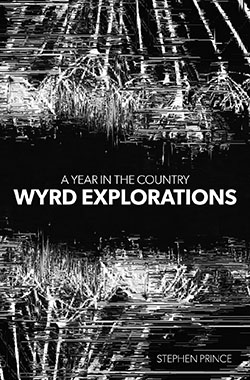
“[In hauntology the] use and foregrounding of recording medium noise and imperfections, such as the crackle and hiss of vinyl, tape wobble and so on calls attention to the decaying nature of older analogue mediums and… can be used to create a sense of time out of joint and edge memories of previous eras.” (Quoted from the A Year In The Country: Wyrd Explorations Preface.)
At times such elements were present in other downbeat and trip hop related work from around the mid to later 1990s:
“Tricky, Massive Attack and Portishead [used vinyl crackling] in order to create particular atmospheres and effects… it is not clear whether it was actually present in the original vinyl records which they sampled or added afterwards. In DJ Shadow’s work, the use of [vinyl] crackle in his recordings from a similar period is possibly more likely to have been both an inherent part of the way his records from the 1990s were created as soundscape collages built from old ‘found’ records rather than, as in Tricky, Massive Attack and Portishead’s case, vocal-led songs which utilised samples. In this respect, it also serves as a reminder of this recording process, an acknowledgment and homage to the layers of recording history from which his tracks were built and its reconfigured spectral echoes… In Tricky, Portishead and DJ Shadow’s work from the 1990s [such aesthetics instil] a sense, at points, of the music belonging to a time the listener cannot quite place; one that is both contemporary in style and its production techniques but which also seems sometimes to exist in an atemporal timeline of its own.” (Quoted from A Year In The Country: Straying From The Pathways, 2019.)

As commented on by Simon Reynolds in the above-mentioned article on Music Has the Right to Children, the creation of music which exists in a time of its own has long been present in Boards of Canada’s work, and he writes that their intention “was to create a haunted haven outside the onward flow of Time”.
Which seems like something of a suitable (and somewhat Sapphire & Steel-esque) point on which to end this chapter.


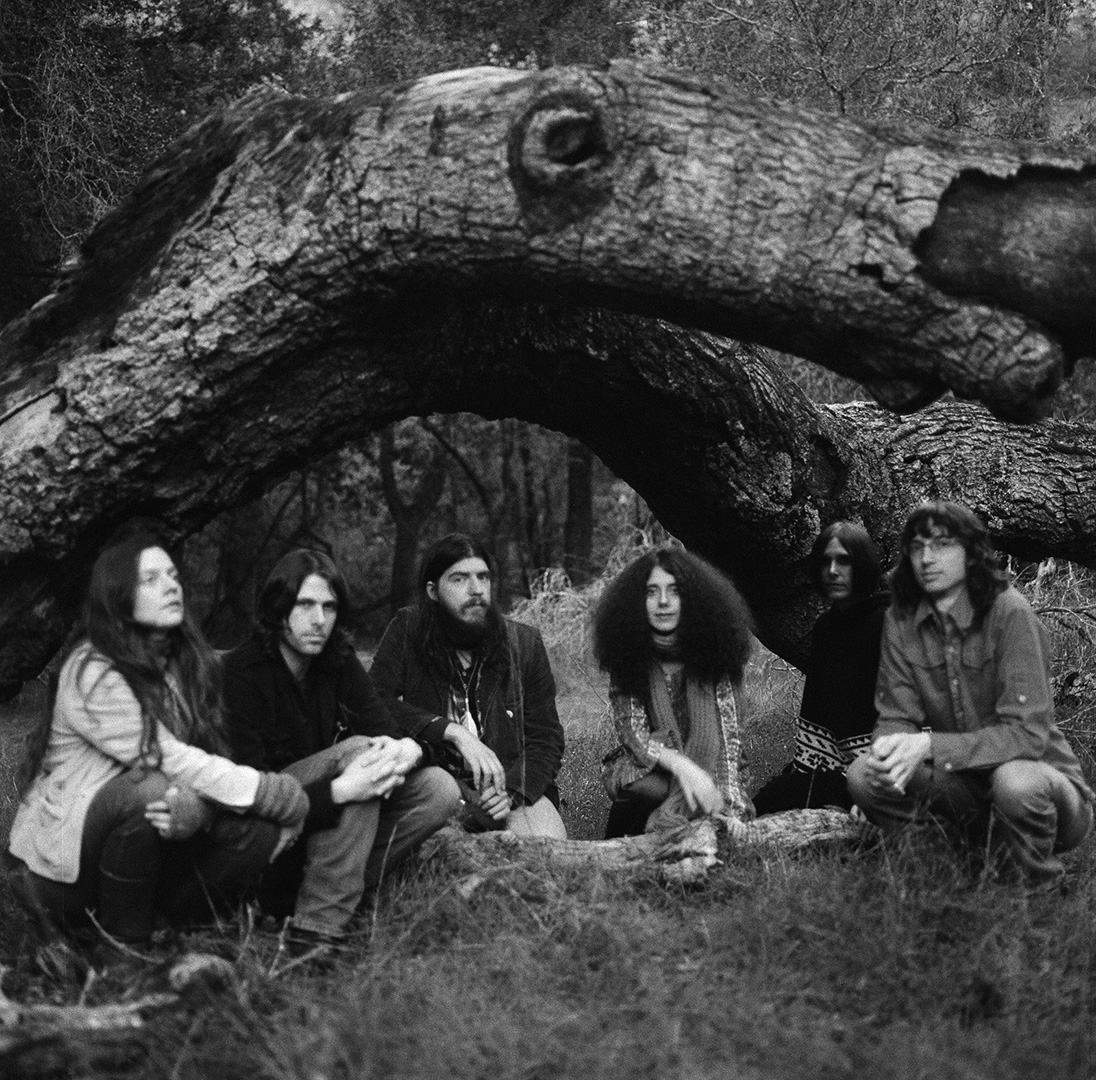
Stepping back to 1971 and this rather lovely version of a traditional folk song on an album which was originally released in a privately pressed edition of just 99 copies. Something to drift off and away with…


Electronic music pioneer and BBC Radiophonic Workshop member Delia Derbyshire, who passed away in 2001, has become a notable icon and ongoing inspiration for various contemporary creative projects, some of which have had high profile releases.
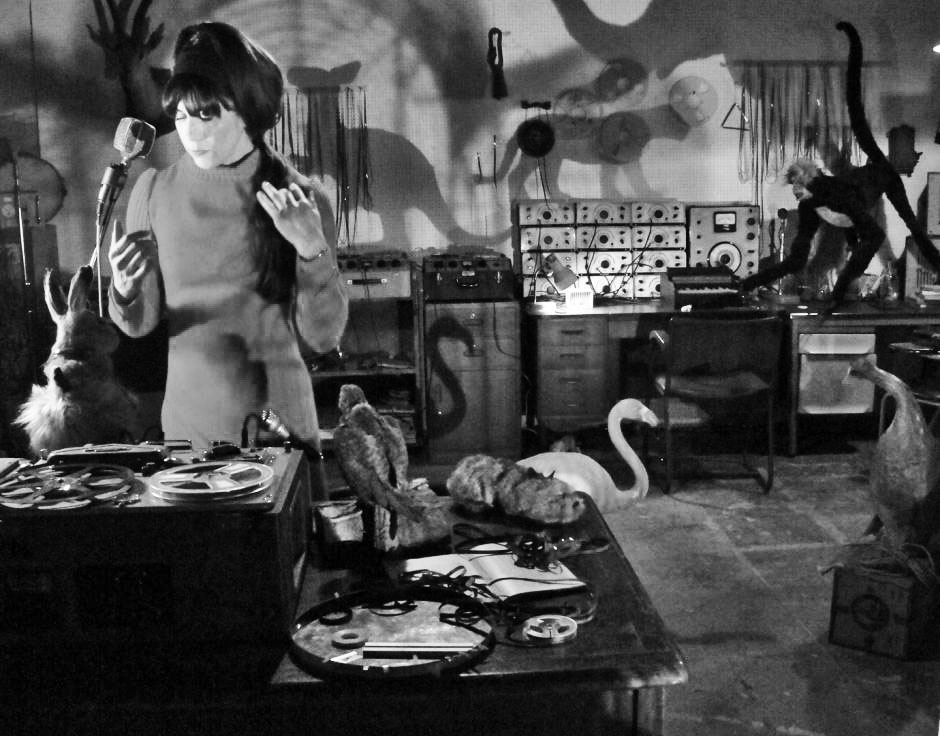
One notable example of such work is Caroline Katz’s intriguing, impressionistic and non-conventional film length docudrama Delia Derbyshire: The Myths and Legendary Tapes (2020) which Katz wrote and directed, and also played Delia Derbyshire in, which was broadcast on the BBC alongside gaining extensive mainstream and niche press coverage.
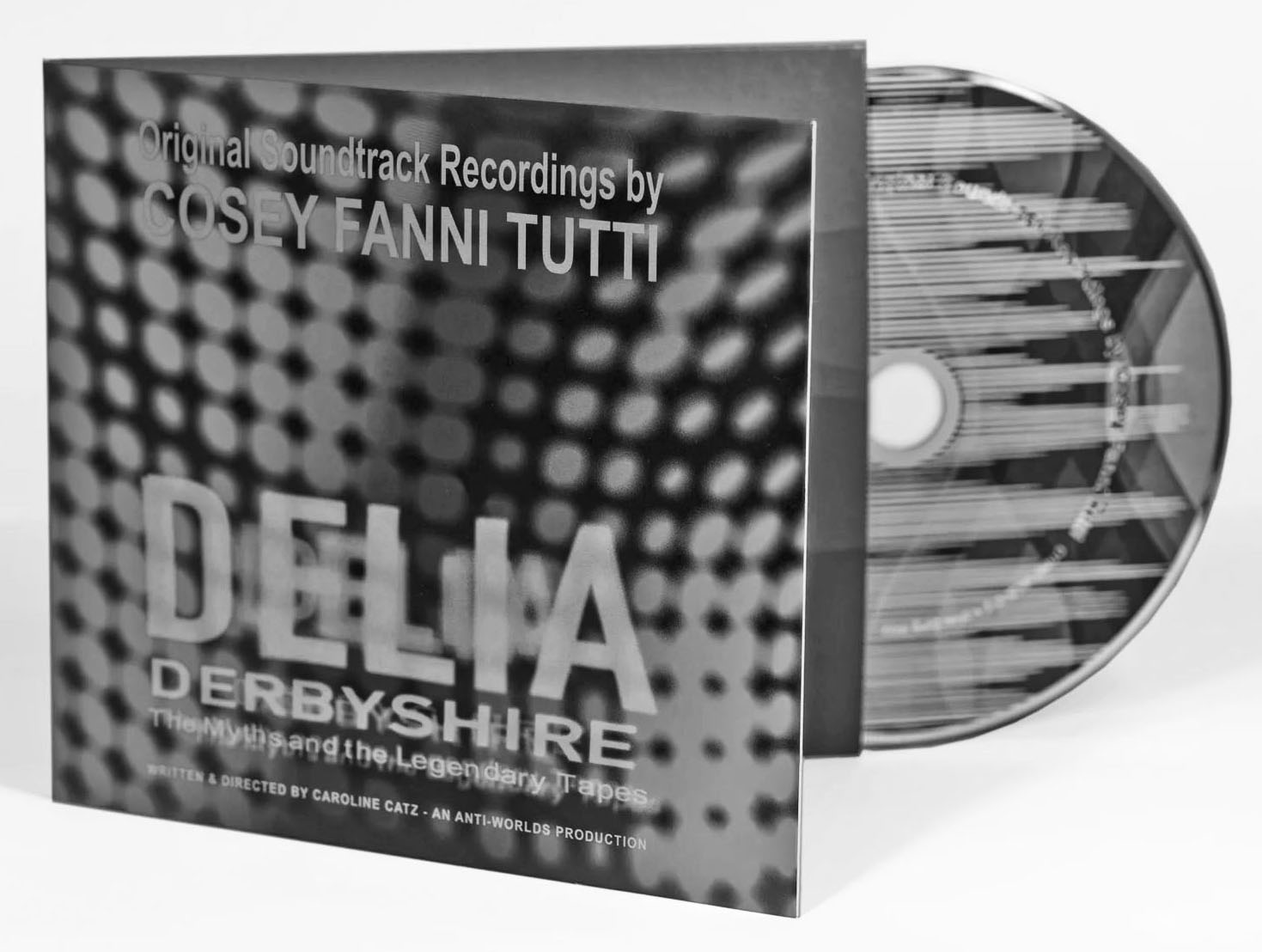
Katz’s film, in some ways and in part, could be considered to be a form of collaboration with Delia Derbyshire that spans the decades as it featured a soundtrack by Christine New by, aka experimental electronic musician and artist Cosey Fanni Tutti, whose work has at times been controversial due to its sometimes- challenging provocative nature and transgressing of societal norms.
For the soundtrack she utilised samples from 267 reels of tape recordings that were found in Delia Derbyshire’s attic after her death. And reflecting the background of its creation the resulting music, which has been released digitally as well as on vinyl and CD, has a contemporary, timeless and shape of the future’s past quality and is deeply experimental in nature while also variously being envelopingly comforting, unsettling and at times can feel like tumbling and drifting through a never ending seeming collaged fever dream soundscape.
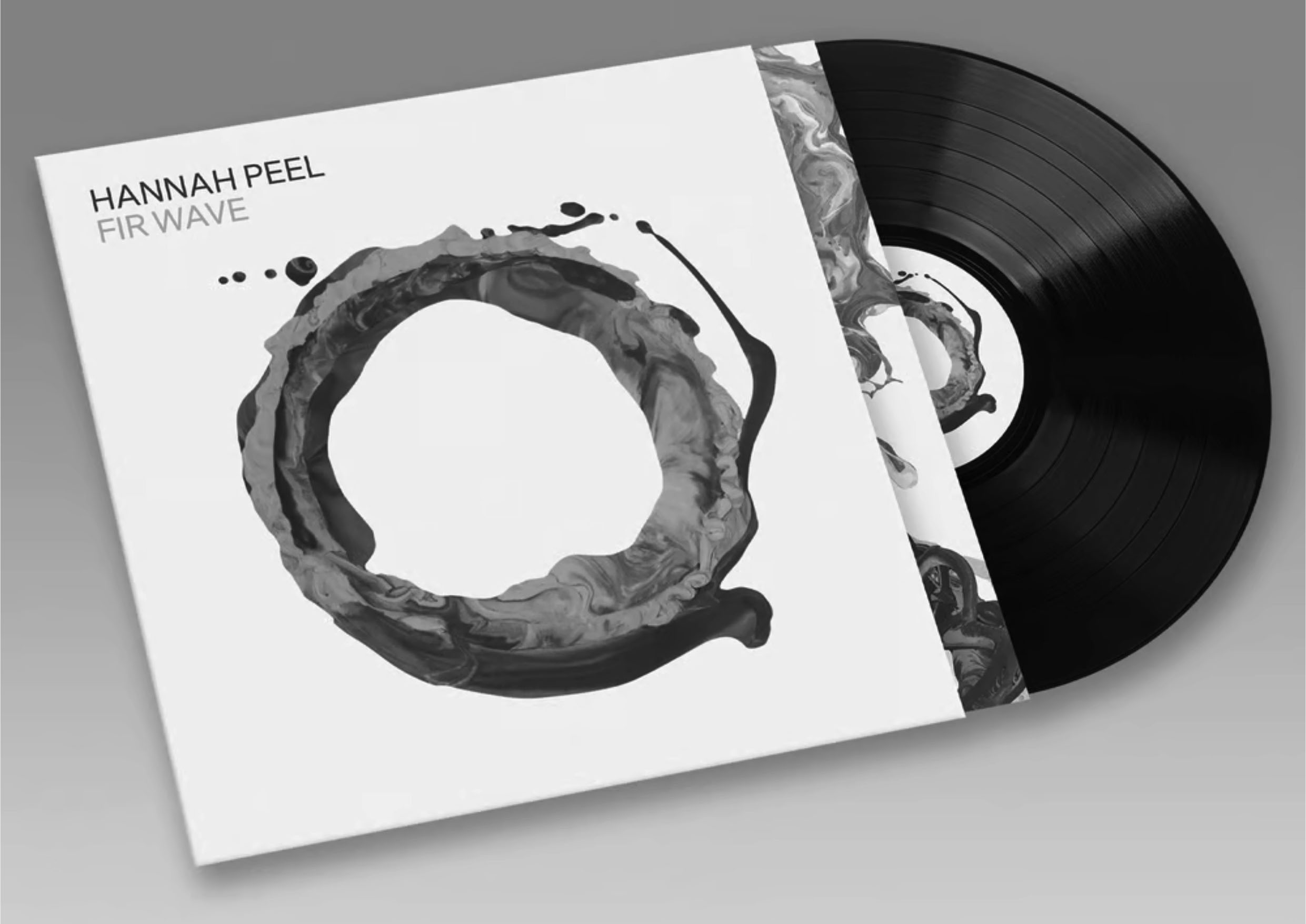
Another relatively high profile “collaboration over the decades” between Delia Derbyshire and a renowned contemporary electronic musician was Hannah Peel’s 2021 album Fir Wave, which was shortlisted for the prestigious Hyundai Mercury Music Prize and garnered extensive public and critical praise.
For the album Peel was given permission by the library music label KPM to reinterpret the Electrosonic library music album, which was originally released in 1972 and was a collaboration between Australian composer and musician Don Harper, Delia Derbyshire working as Li De La Russe and Brian Garner Hodgson, who was also a member of the BBC Radiophonic Workshop and in this instance worked under the pseudonym of Nikki St. George.
The Fir Wave electronic-orientated album is in part experim- ental but also melodic and accessible and combines and intertwines Delia Derbyshire and co.’s vintage electronica with contemporary technology, production and aesthetics, which in text that accomp- anied the album’s release is said to have been inspired by and connect with the patterns of “the Earth’s ecological cycles”.
While at points the tracks become almost dance music-esque or rave-like, it also often has a warm organic and reflective analogue sound that alongside connecting back to Delia Derbyshire’s work from previous decades also seems at times to echo Brian Eno’s pioneering 1970s ambient music work, in particular the album Ambient 1: Music for Airports (1978).
Flying comparatively lower under the radar in terms of public exposure, recent years have seen a number of other albums which in various ways have been inspired and/or influenced by Delia Derbyshire.

These include the instrumental electronic music duo Delia Derbyshire Appreciation Society’s eponymous 2017 album, which was their first full length release. The connection to Delia Derbyshire in this instance is more oblique than the above work and rather than there being a direct connection to her work the duo’s name and the spirit of their music are a homage to her.
The album also interconnects with Hannah Peel’s Fir Wave as it brings to mind some of Brian Eno’s ambient albums if they had gone a bit more techno but still didn’t have beats. Also, as with much of the work on Fir Wave there is a lovely warm vintage sound to the duo’s album, without it being overly retro and there are some sub-bass sections that are all enveloping and which I have found myself listening to over and over again.

Another “collaboration over the decades” with Delia Derbyshire, which as with the above work by Hannah Peel and Christine Newby, draws from and utilises her work, is The Radiophonic Workshop’s soundtrack to Matthew Holness’ psychological horror film Possum, both of which were released in 2018.
As mentioned in its sleeve notes, the album includes “elements composed and recorded by Delia Derbyshire”, which are taken from the Delia Derbyshire archives held at the John Ryland Library at the University of Manchester. And as suggested by the group’s name, the soundtrack was composed and performed by the reformed BBC Radiophonic Workshop, although they could perhaps be considered to be more autonomously recreated rather than reformed as they are no longer a department of or directly connected to the BBC.
The album begins with pastoral flute sounds which may mislead the listener into thinking they are about to listen to something pleasant, even “nice” or calming. However, the reality is far from such things; the first intimations that something is awry are briefly reversed sections of music and then… well darkness and melodic dissonance tumbles forth and builds until it just suddenly stops on a reversed note. And that’s just the first track. Unsettling doesn’t quite cover it.
“Unsettling doesn’t quite cover it” is a description that can also be applied to the film Possum, which has its own unique character, atmosphere and presentation that is unlike, and separate from, much of contemporary cinema. Set in a psychic and literal hinterland or edgeland, watching it is akin to stepping into an inescapable recurring personal nightmare, one where the “bogey man” keeps returning no matter what you do.
The artwork for the film’s soundtrack was designed by Julian House of hauntology progenitors and mainstays Ghost Box Records, experimental music trio Children Of Alice and the Intro design agency.

His design for the album features a number of his signature graphic design styles: the front cover has a subtle slightly off kilter vintage cathode ray television effect coupled with a form of cosmic light show that adds a darkened dreamlike atmosphere to it, while elsewhere there are stark gridded duotone stills from the film, all of which are accompanied by a minimal modernist type layout. The overall effect is both beautiful (or should that be entrancing?) while also being in some not easy to define way unsettling and something that you want to get away from you as quickly as possible, and this sense of being drawn in and also repulsed in turn reflects and interconnects with the character of Holness’ film.

And finally, another “collaboration over the decades” with Delia Derbyshire is hauntology and folk horror music, sound and cultural pioneer and explorer Drew Mulholland’s Three Antennas in a Quarry album. This was released in 2019 by Buried Treasure, a label founded by Alan Gubby whose work, related music and book releases, events etc often explore and interconnect with hauntological themes and aesthetics.
It features rather fine design work by Nick Taylor of Spectral Studio who could almost be considered to be the unofficial inhouse graphic designer for hauntology due to him having created the cover art for a considerable number of related music releases.

Mulholland’s album was inspired by a copy of a graphic music/ sound score that Delia Derbyshire sent Mulholland after they became friends in the late 1990s. Apparently, she could not remember what the score was for but dated it vaguely as “the late ‘60s” and in his sleeve notes for the album Mulholland talks of how Derbyshire had provided him with a fragment of a recipe but no indication of what either its ingredients nor intended sound sources were.
He goes on to say that in order to create the album he began to “sketch with sound” after studying enlargements of the score that he had pinned to his study wall and the album could be considered a ghost-like, will-o’-the-wisp interpreting of the score and in turn the spirit of Delia Derbyshire’s music.
In what could be thought of as a hauntological psychogeographical manner it utilises field recordings Drew Mulholland made when visiting the university where Delia Derbyshire had studied music and mathematics.
The resulting music is resolutely experimental but also at the same time accessible, and has a homespun character while also seeming to conjure up images of some long-lost studio hall.
As mentioned above Drew Mulholland was something of a pioneer in the loosely interrelated areas of hauntology, folk horror and wyrd culture. In the 1990s and early 2000s, long before the more recent upsurge of interest in such things and related cultural touchstones such as the iconic 1973 folk horror film The Wicker Man, Nigel Kneale’s renowned Quatermass science fiction films and television series which were released between 1958 and 1979, the original incarnation of the BBC Radiophonic Workshop and so on, Mulholland seems to have been exploring these areas and navigating paths through and interlinking them.

Alongside contacting Delia Derbyshire in the 1990s, working as Mount Vernon Arts Lab he released the 2001 album The Séance at Hobs Lane; a concept album which took as its inspiration the television series and film Quatermass and the Pit, which were broadcast and released in 1958-1959 and 1967 respectively and that was influential on Ghost Box Records, who subsequently reissued it in 2007.
In the late 1990s he also made field recordings at the locations of key scenes of The Wicker Man that he subsequently used in what was described as the “sonic archaeology” of his 2019 album The Wicker Tapes, which was released by TDO Cassettes.
For this Mulholland also repurposed as tape guides fragments of the wicker man wooden figure featured in the film’s final scene and that in turn sections of which were included as artefacts that came with the release.
This was a “blink and you miss it” limited edition release which sold out and to my knowledge it has not been reissued in any form, nor is it available in complete form digitally. This adds a spectral-like quality to the album which interconnect with the “myths and legends” that surround The Wicker Man, in particular how no complete version of the film is known to exist and related tales of footage being buried amongst the landscape when it was used as filler for motorways.

1963. The BBC Radiophonic Workshop. Adventures in space and time (and sound). The root of so much.


Detectorists was written and directed by Mackenzie Crook, who also appears as one of the main characters, alongside Toby Jones who also played the main part in the previously mentioned film Berberian Sound Studio. It revolves around the lives of a pair of metal detectorists and their passion for their hobby of exploring the landscape with metal detectors hoping to find lost artifacts.
It has a gentle uncynical comic feel and is part of a lineage which stretches back to the likes of the classic British sitcom Fawlty Towers (1975-1979); one of those times when mainstream entertainment and comedy somehow manages to escape into the world without being neutered and it undertakes astute observations of the ways and wiles of people, a love of the land and country and there is a sadness portrayed in its characters’ lives.
Due to its focusing on metal detectorists and their discoveries of historical items buried in the land, the series inherently and at its core, involves a consideration of the landscape as a place layered with history:
“Wherever you walk on the hills, moors and in the valleys of the Peak and Pennines, you walk on the bones of those who have been there before you – from Roman legions to itinerant packmen, from monks to ranting Methodist parsons, from hand-loom weavers to mill poets – and if you listen carefully enough you can hear the echoes of their voices still singing in the wind.” (Quoted from writer, musician, radio presenter and comedian Mike Harding’s 1992 book Walking the Peak and the Pennines.)

This layering of the land and history is given a more overtly spectral expression in the ending of the first episode of series three. In this sequence the two main characters Andy and Lance are in a field and just about to stop their metal detecting for the day when one of them picks up a signal on his detector, which leads him to digging up a falconry whistle. When he blows this whistle there is a sense of a chill, unsettled wind running through the air and in the sequence the whistle’s tone acts as a carrier signal back through time.
As they begin to leave, via the use of CGI, the field which they are in and its trees slip back through time to many centuries ago and the edges of the screen start to flicker and vignette, while the colours become subtly muted and sepia-ish. A youngish woman in white shroud-like garments blows the same falconry whistle that Andy and Lance have just found and looks around to find a returning bird.

Off slightly in the distance from her, and it is not clear if she is watching across time or not, she observes a priest overseeing a ceremony in which a woman is burying a pot of gold coins in the ground – possibly as a form of tribute to the gods and spirits – accompanied by what I assume are her children and family.
Magpies watch the group and then time slips forward, the seasons change, a young couple, who via their clothing can be identified as being from centuries later, stroll across the field.

Time moves forward again and a farmer is shown ploughing the field and unearthing the buried coins behind him, which the magpies are drawn to and fly off with. Then time advances once more and the images fade back to the present, with Andy and Lance being shown walking across the field again, while the viewers now possess the knowledge that, unbeknownst to the detectorists, there is treasure in this field.

The ending of the episode is not overtly dark, although there is something quietly unsettling about it, which may be due in part to the magpies lending a slightly ominous presence to proceedings. The sequence is artfully done and somewhat entrancing and is accompanied by the English folk group The Unthanks evocative performance of Daved Dodd’s song “The Magpie” that soundtracks it. Originally featured on the band’s 2015 Mount the Air album, the song draws its lyrics from the traditional children’s nursery rhyme “One for Sorrow”:
One for sorrow Two for joy
Three for a girl Four for a boy Five for silver
Six for gold
Seven for a secret Never to be told Eight for a wish Nine for a kiss Ten for a bird
You must not miss
The rhyme has its roots in bird based superstitions related to magpies, which was considered to be a bird of ill omen, and is thought to date back to at least the early 16th century. It was first recorded in Samuel Johnson and George Steevens’ 1780 supplement to their 1778 edition of The Plays of William Shakespeare, where it had just four lines:
One for sorrow,
Two for mirth,
Three for a for a wedding, Four for death.
One of the earliest known versions to extend this was published, with variations, in Michael Aislabie Denham’s book A Collection of Proverbs and Popular Sayings20 which was published in 1846:
One for sorrow Two for mirth Three for a funeral Four for birth
Five for heaven
Six for hell
Seven for The Devil, his own self
This adds something of an almost folk horror like aspect to the rhyme, as do the lyrics to Daved Dodd’s “Magpie”, which mention defying the devil alongside magpies that bring fair and fowl tidings and that also know when we will both be born and head to our graves.

In the closing sequence for this particular episode of Detectorists, the version of the nursery rhyme from above which has ten “for”s is not completed. Instead, it ends on “Seven’s for a secret never told”, which in this context, along with the verse where the magpie is attributed with prescience, helps to invoke a sense of a land layered and possibly even haunted by its secrets, treasures and past events. This connects to Johnny Flynn’s theme song for the series, which explores not dissimilar themes, alongside a related sense of modern-day seeking and searching and the series as a whole is a portrait of people just trying to make the most of things while hopefully adding some magic to their lives. The theme song has a haunting, evocative nature and appears to imply that its protagonist is lost at sea, saying that they are a lover or companion’s treasure, and asks if they will search amongst the fertile earth and then follow them to their resting place on the ocean’s floor where they are now amongst the ghosts of men who will never again sing.

The sequence also sets in motion the ending of what at the time of writing was the final series of Detectorists where (and hopefully not to give too much away) Andy and Lance finally seem to find some of what they have been seeking; their treasure both literally and in the form of a more settled sense of belonging and their hopefully rightful places in the world.

Released in 2006 this song still sounds decidedly contemporary while also being part of a lineage of reimaginings of folk that can be traced back to 1960s and 1970s acid/psych folk. As with many of the “Songs for a Year In The Country” it conjures a world, time and space of its own…