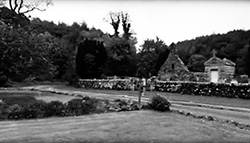
The BBC television series The Living and the Dead could be considered to be one of the more overt explorations of some of the themes of folk horror and its attendant sense of spectres and patterns beneath the land in recent mainstream broadcast drama:
“Set in rural England in the 1890s… Nathan Appleby, a pioneering psychologist, inherits Shepzoy House in a beautiful but isolated Somerset valley… he decides to make a new life for himself and his… wife, Charlotte… soon the idyll is compromised by strange and disturbing occurrences that all seem to inexplicably swirl around the increasingly troubled Nathan. Is he being haunted? Why? And by whom?” (Quoted from text which accompanied the series’ 2016 DVD and Blu-ray release.)
The Living and the Dead explores super- or preternatural events alongside the clash and interaction between the old ways and the new; folkloric and supernatural beliefs and modern scientific thought; within a rural setting. It has an underlying sense of the schisming, fracturing, crossing over and fragmenting of time in a manner that brings to mind the supernatural fantasy/science fiction television series Sapphire & Steel (1979-82).10 In both series, time events and spirits appear to break through from other eras and, memorably in The Living and the Dead, one of the main characters sees what he thinks of as a spirit who is reading what he describes as a “glowing book”, which ultimately is revealed to be somebody in the same location over a century later who is viewing a tablet computer, and also in both series, spectral Roundhead troops from the 17th century appear.

Various instances of such “timeslip” feature in other work by The Living and the Dead creator Ashley Pharaoh and his sometime collaborator Matthew Graham with whom he worked on the creation of the television series Life on Mars (2006-2007) and Ashes to Ashes (2008-2010) both of which dealt with time travel and possible portals through the fabric and layers of time via a not fully-explained, almost magical realist process.
Some of Graham’s other work has also dealt with different ways of travelling through time. The Last Train (1999), for instance, told of a random group of passengers on a train who are accidentally cryogenically frozen just before an apocalyptic meteor strike and 52 years pass before they eventually reawaken in a ruined Britain. He also adapted Nigel Kneale’s aforementioned television drama The Stone Tape as a 2015 radio drama broadcast by the BBC and directed by Peter Strickland, the plot of which involves the recording and transmission of a malevolent presence in the stone of a building over hundreds of years.

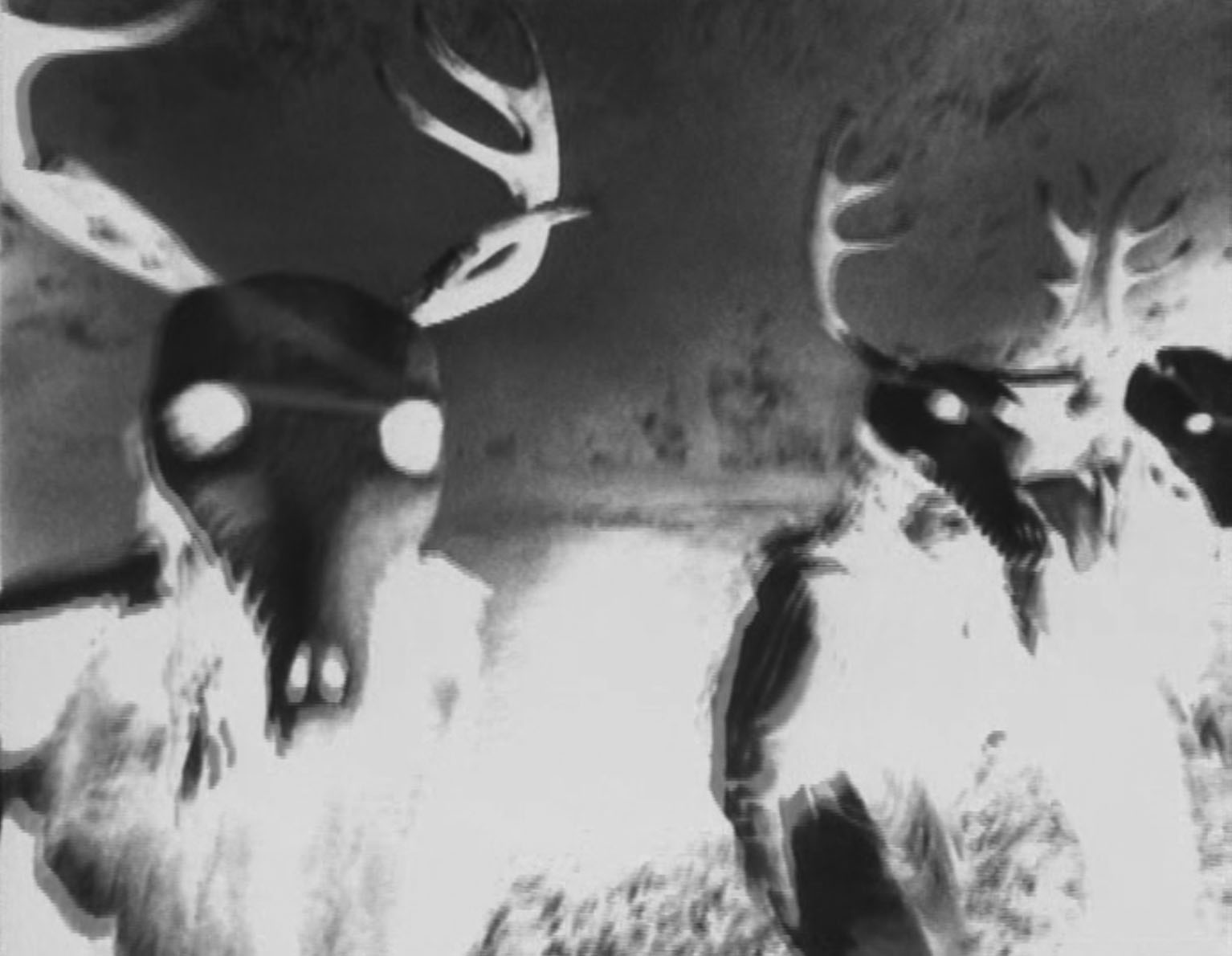
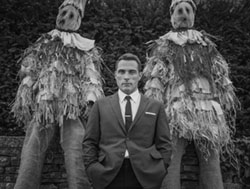
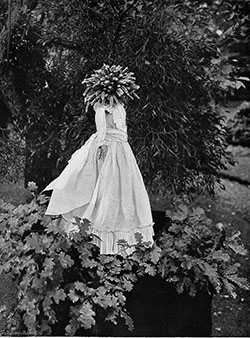
Some of the imagery in The Living and the Dead is reminiscent of Benjamin Stone’s photographs of British folkloric customs from the late 19th and early 20th centuries and the series is set around a similar time that he was travelling the country taking such photographs. Also, some of the folkloric hooded figures from the series are reminiscent of the found photographs of Halloween celebrations from previous eras that Ossian Brown collected in his book The Haunted Air (2010) particularly in terms of spirit if not always aesthetics (and please excuse the unintentional pun!).
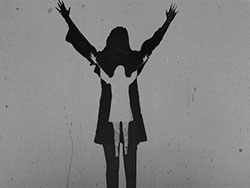
The introductory credits feature excerpts from Stan Brakhage’s experimental 1963 film Mothlight in which layers of natural detritus and insects were filmed without the use of a camera but rather by pressing them between two strips of 16mm splicing tape. The resulting assemblage was then contact printed at a lab to allow projection in a cinema, with the objects chosen being required to be thin and translucent in order that they permitted the passage of light. The finished, constantly changing film creates a layered fluttering collage built from its natural components and has an unsettling character which complements the atmosphere of the series.
The soundtrack for the series is by Bristol-based duo The Insects and includes interpretations of traditional folk songs, including a rare vocal contribution by former Cocteau Twin, Elizabeth Fraser, who sings “She Moves Through the Fair” and also “The Lover’s Song” which is a variant of the night-visiting ballad “The Grey Cock” that tells the story of a young woman who has passed from the mortal realm visiting her lover. In the song, when she is asked where her sheets and maids are, she replies:
“The clay it is my bed, my dearest dear, she said
The shroud is my white Holland sheet
And the worms and creeping things are my servants, dear, she said
That wait upon me whilst I am asleep”
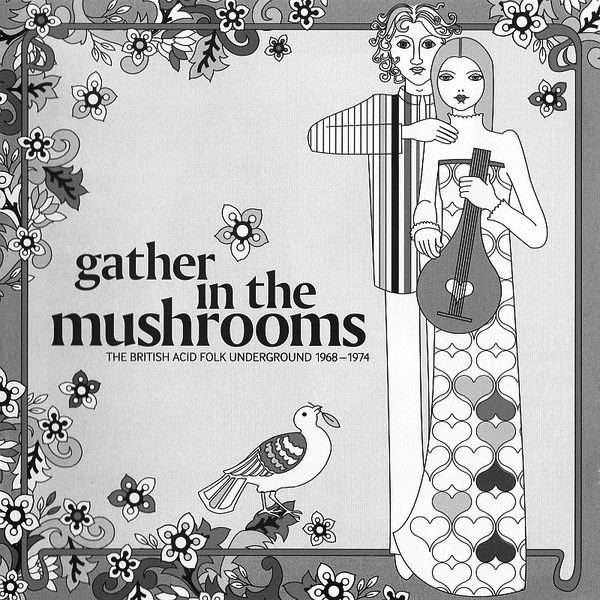
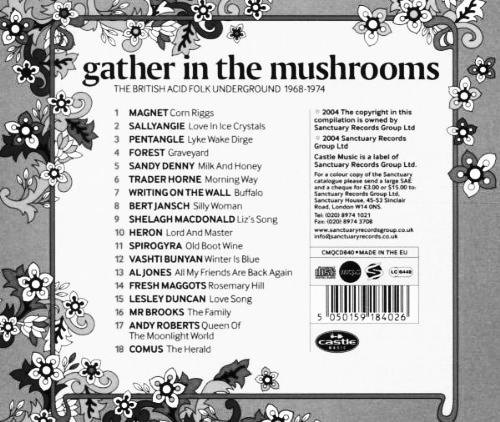
The traditional source material could be seen as belonging to a strand of folk music that is folk horror-esque, but which was created before that phrase existed. It could also sit alongside Forest’s “Graveyard” from the album The Full Circle (1970), and the more darkly-hued work of both Mr Fox and Comus, although their work belongs more directly to 1970s folk rock, acid and psych folk explorations rather than traditional folk.
The soundtrack also features a version of “Lyke Wake Dirge”, as once covered by folk rock band Steeleye Span – who enjoyed chart success in the 1970s with pop-tinged versions of traditional folk songs – which according to Wikipedia.com is:
“A traditional English song that tells of the soul’s travel, and the hazards it faces on its way from earth to purgatory. Though the song is from the Christian era and features references to Christianity, much of the symbolism is thought to be of heathen origin.”
The version in The Living and the Dead is not so much Steeleye Span pop folk-esque, but rather is nearer to a contemporary take on the fringes of mid-80s gothic music and the deep darkly tinged baritone of Nick Cave.

Further accenting such darker strands, the soundtrack also features a recording of the traditional harvest supper folk song, “The Brave Ploughboy” the version of which sung by folk band The Watersons features these more than a little folk horror-esque lyrics:
“So early in the morning to harrow, plough, and sow
And with a gentle cast, me boys, we’ll give the corn a throw Which makes the valleys thick to stand
With corn to fill the reaper’s hand
All this, you well may understand, comes from the ploughing boy”