Posted on — Leave a comment

General Orders No. 9 and By Our Selves – Cinematic Pastoral Experimentalism: Chapter 27 Book Images

General orders no 9-a year in the countrygeneral orders no 9f

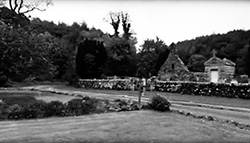
“General Orders No. 9 is a 2009 film by Robert Persons. As a very brief precis, the film takes the viewer on a journey through the transformation of a section of mid-Southern America (Alabama, Mississipi and Georgia) from a wilderness into its modern state and although not overtly stated or didactic it seems to be in part a mourning of the loss of wilderness areas and a connection to nature due to the encroachment of civilisation and urbanisation.

It is a non-narrative film, a form of expressive documentary with elements of experimentalism but it is eminently watchable and makes use of original location film footage, maps, vintage photographs, found objects and views of natural and manmade landscapes.”

General orders no 9d

“It could be thought of as a film which explores the hauntology of the Southern states; the land is seen to be littered with the remnants and spectres of mankind’s industrial and technological endeavours – old factory installations, derelict mobile phone masts, rooms filled with discarded detritus and hundreds of scattered old books.”

F# A# ∞-God Speed You Black Emperor-album artwork and booklet

“Adding to the texture and layers of the journey the film takes is an accompanying narrative by a voice which could well be announcing the end of days (it is reminiscent of God Speed You Black Emperors song “Dead Flag Blues” from their 1997 album F# A# ∞, which in some ways could almost be a companion piece to General Orders No. 9, with its sense of lyrically beautiful apocalyptic dread).”

Straw-Bear-By-Our-Selves-Andrew-Kotting-Iain-Sinclair-Toby-Jones-Alan-Moore-John-Clare-A-Year-In-The-Country-3-650px

By Our Selves-Andrew Kotting-Ian Sinclair-Toby Jones-A Year In The Country-2

“(General Orders No. 9) could be placed very loosely amongst a strand of films that may be described as cinematic pastoral experimentalism. Along which lines is Andrew Kötting’s film By Our Selves from 2015, which involves a retreading of the wanderings which Northamptonshire nature poet John Clare undertook in 1841, as he went on a pilgrimage from a mental asylum to find Mary Joyce, the woman with whom he thought himself to be in love.”

By Our Selves-Andrew Kotting-Ian Sinclair-Toby Jones-A Year In The Country-8Straw Bear-By Our Selves-Andrew Kotting-A Year In The Country

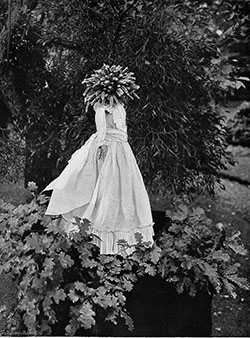
“John Clare is played by Toby Jones, who is accompanied by a straw bear (a character from folklore, the costume of which involves its wearer being covered head to toe in straw), with director Andrew Kötting playing this part.”

Straw Bear-By Our Selves-Andrew Kotting-Iain Sinclair-Toby Jones-Alan Moore-John Clare-A Year In The Country-11Straw Bear-By Our Selves-Andrew Kotting-Iain Sinclair-Toby Jones-Alan Moore-John Clare-A Year In The Country-10

“Alongside the film’s depiction of John Clare’s journey through the land are a number of separate sections where, for example, writer Iain Sinclair interviews Northamptonshire resident comic book writer Alan Moore (who describes Northampton as being so imbued with literary and poetic associations that it is “a kind of vision sump”) and Toby Jones’ own father appears and revisits his performance from a 1970 Omnibus documentary in which he played John Clare.”

Straw Bear-By Our Selves-Andrew Kotting-Iain Sinclair-Toby Jones-Alan Moore-John Clare-A Year In The Country-9

“Possibly more appealing than the film’s specific dealings with John Clare’s story is its “folkloric in the modern-day” imagery (for example Toby Jones in ramshackle period costume leading the straw bear through a field of crops under the gaze of pylons) and its exploration of the hidden, underlying layers and roots of the land’s tales, people and history.

It seems to be very much an expression of those who are involved’s love of and enthusiasm for exploring and delving amongst the interconnectedness of such things and by its nature is a literal psychogeographic wandering.”


Online images to accompany Chapter 27 of the A Year In The Country: Wandering Through Spectral Fields book, alongside text extracts from the chapter:

Details of the A Year In The Country: Wandering Through Spectral Fields book and the collection of its accompanying online images can be found at the Book’s Page, which will be added to throughout the year.


Posted on — Leave a comment

Requiem Part 2 – Sidestepping Modern Methods, Curiously Banal Infrastructure and Other Considerations: Wanderings, Explorations and Signposts 27/52

Requiem-2018-BBC Netflix television series-Kris Mrska-still 3

Continuing on from Part 1 of this post, a few further points about the television series Requiem:

1) As has been a recurring trope in cinema and television, it presents rurally based communities in contrast with urban ones as insular or “other”, to have their own ways and beliefs that connect back to previous eras, in a not dissimilar manner to say Hot Fuzz and The Wicker Man.

2) Talking of The Wicker Man, without wishing to give too much of the ending of Requiem away, as in The Wicker Man, here the outsider victim is essentially lead on a misleading merry dance by the rural folk in pursuance of their beliefs and practices and for the correct completion of their ritual the chosen one must come willingly.

Requiem-2018-BBC Netflix television series-Kris Mrska-intro sequence image-2

3) As is often the case with modern drama, Requiem sidesteps or ignores some of the realities of modern life, communications, the dissemination of news, images etc: here a strikingly stylish famous musician whose mother has died in bizarre circumstances is able to go and raise merry heck in a community and rake up all kinds of semi-buried truths in a very public manner, with only one apparent instance of a reporter and a traditional newspaper headline and little or no recordings of her actions digitally by the public nor social media postings.

The truth is likely that in such an instance today her actions would be recorded and/or posted about and spread widely online within minutes of them happening.

It must be difficult as a scriptwriter to get around the “well, the characters are trapped and threatened by forces x, y and z but with just one mobile phone call they could summon help” aspect of modern life.

Possibly hence a fair bit of character’s in modern dramas holding up mobile phones and saying “No, no signal”, having left them at home, dropping them etc.

Requiem-2018-BBC Netflix television series-Kris Mrska-still 1 copy

4) Largely in Requiem supernatural elements are seen in only very fleeting glimpses or represented via audio but at one point a form of spirit or demonic possession is shown as having not dissimilar characteristics as electrical charges and discharges.

Which caused me to wander how do you represent the supernatural on film and in television? What is the possible literal physical manifestation of such things? Are they/should they be all otherworldly spectral or ectoplasmic apparitions? Do they have a connection to and/or have the characteristics of other real world, natural and/or scientific phenomenon?

(See John Carpenter’s Prince of Darkness for a further consideration of the commingling of science and the supernatural, also for sharing with Requiem a depiction of mirrors as portals through which the super or preternatural can attempt to enter the day-to-day world.)

Requiem-2018-BBC Netflix television series-Kris Mrska-intro sequence image-7

5) Aside from the above electric like possession, there is only one other overt special effects orientated visual expression of the supernatural, which leaves space for the viewer’s imagination.

That other overt expression is when one of the character’s has been possessed and in order to show this her eyes flip to opaque black for just a moment.

Such elements are tricky as once you have overtly shown the supernatural it can normalise it or seem a little obvious or too signposted as “this person is now bad”.

6) In Requiem the “good”, respectable people of the rural community who are actually up to no good appear to be largely the relatively affluent middle class and above; the local “coven” is made up in part by a doctor/psychiatrist, a solicitor, a mildly bohemian antiques dealer and an owner of large rural estate. They appear to have their more working class or lower in class footsoldiers but they are more the lead than the leading.

Programme Name: Requiem - TX: n/a - Episode: Requiem - Ep2 (No. 2) - Picture Shows: Matilda (LYDIA WILSON) - (C) New Pictures - Photographer: Adrian Rogers

7) A pivotal character in the plot, although one without a large amount of screen time, is that mildly bohemian antiques dealer, who is played by Tara Fitzgerald and seems to have an almost smugly evil aspect to her character.

That character puts me in mind in part as a form of occult middle manager with a sense of self-satisifying expectation.

(This put me in mind of Sean Hogan’s 2011 film The Devil’s Business, which explores some similar themes as Ben Wheatley’s Kill List; two assassins or mercenaries find themselves embroiled in occult activities, the carrying out of which in both have a curiously banal infrastructure and management aspect.)

Symptoms-1974-BFI-A Year In The Country

8) The main character Matilda Gray in the series is played by Lydia Wilson, who here has a very striking and almost otherworldly “Woman Who Fell to Earth” aspect to her appearance, which looking back over the series could be seen as a reflection of the hidden, preternatural forces which are present  around and also even contained within her.

Although in a more overtly fashionable, almost hipster way in Reqiuem, that otherworldly aspect of the appearance of a disturbed individual can also be found in Angela Pleasance’s physical appearance and screen presence in José Ramón Larraz’s 1974 film Symptoms, which as with Requiem, also depicts rural areas as being far removed from bucolic idylls.

Requiem-2018-BBC Netflix television series-Kris Mrska-intro sequence image-3

Elsewhere:
The Requiem trailer
The Requiem title sequence by Peter Anderson Studio
The Symptoms trailer via the BFI

Elsewhere at A Year In The Country:
1) Week #28/52: Symptoms and gothic bucolia
2) Wanderings, Explorations and Signposts 22/52: John Carpenter’s Prince of Darkness Part 1 – The Sleeper Awakens
3) Wanderings, Explorations and Signposts 23/52: John Carpenter’s Prince of Darkness Part 2 – “This is not a dream”
4) Wanderings, Explorations and Signposts 24/52: John Carpenter’s Prince of Darkness Part 3 – Quatermass-esque Non Bebop Filmmaking
5) Wanderings, Explorations and Signposts 25/52: Requiem Part 1 – Further Glimpses of Albion in the Overgrowth and Related Considerations


Posted on — Leave a comment

Katalin Varga, Berberian Sound Studio and The Duke of Burgundy – Arthouse Evolution and Crossing the Thresholds of the Hinterland Worlds of Peter Strickland: Chapter 26 Book Images

duke-of-burgundy-the-2014-004-sidse-babett-knudsen-chiara-danna-bicycyle-silhouette

katalina-varga-2009-peter-strickland-a-year-in-the-country-2Berberian Sound Studio-Peter Strickland-Julian House-Ghost Box Records-Broadcast-A Year In The Country 3

“The three full length films which Peter Strickland has made so far: Katalin Varga (2009), Berberian Sound Studio (2012) and The Duke of Burgundy (2014), all create their own immersive worlds, often self contained and separate from wider reality and its markers.”

Berberian Sound Studio-Peter Strickland-Julian House-Ghost Box Records-Broadcast-A Year In The Country 4

“Berberian Sound Studio is set in the enclosed world of a recording studio in 1976 and could be considered an homage to and a possible comment on that period’s “giallo” and Italian horror film genres and their sometimes-questionable excesses…

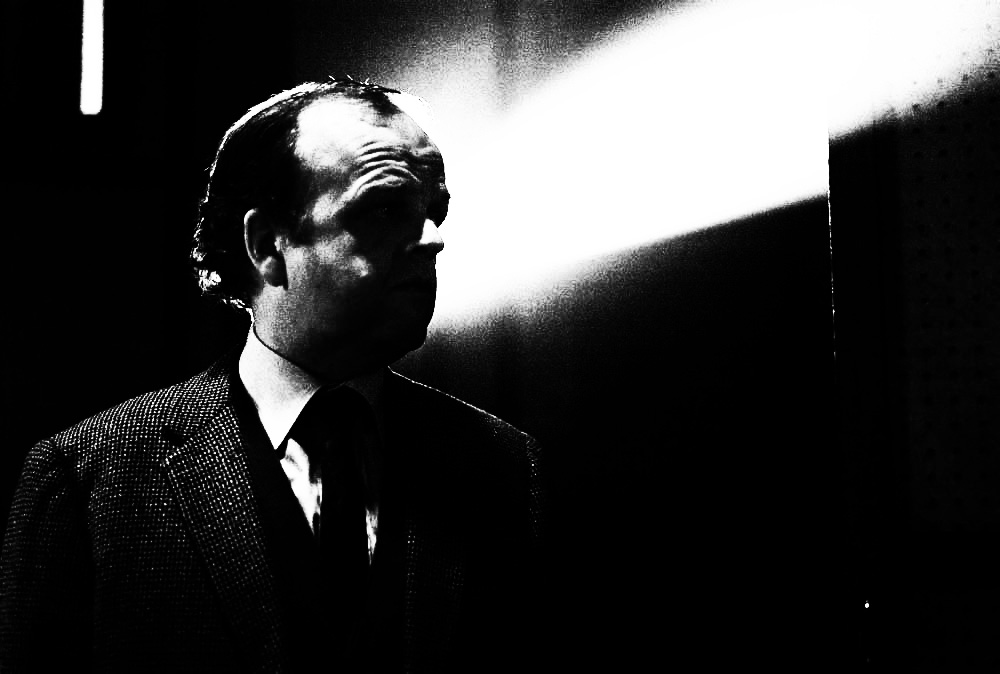
Berberian Sound Studio involves a garden shed-based British sound effects expert, played by Toby Jones, who travels to Italy to work on a film which turns out unbeknownst to him to be a disturbing giallo horror.

As time passes at the recording studio life and art implode and fall into one another and apart from going to his bedroom he does not seem to leave the studio complex.

His sanity crumbles and he becomes increasingly both part of and complicit in a culture and celluloid of misogyny, one which is masked and masquerading as art and the barriers between reality and unreality become increasingly blurred.”

David Cronenberg-Videodrome-still

“Alongside the link to giallo it shares a number of similar themes with David Cronenberg’s Videodrome (1983); the stepping into an altered reality via recorded media and the degradation of its listeners, watchers and participants.

Although whereas that film has a certain ragged, driving, visceral, hallucinatory and at times street-like energy, Berberian Sound Studio has and creates a more subtle, phantasmagoric dreamlike atmosphere.

This is not a film which intrigues and draws you in through a plot arc, rather it is the imagery, experimentation, atmosphere and its cultural connections.”

The Berberian Sound Studio-Julian House-A Year In The CountryJulian House-Intro-Peter Strickland-The Berberian Sound Studio-A Year In The Country

“With Berberian Sound Studio the cultural connections include a soundtrack by Broadcast and design/film work by Julian House (variously of Ghost Box Records, Intro design agency, The Focus Group musical venture and sometimes Broadcast collaborator), with striking elements of its visual character being created by him.

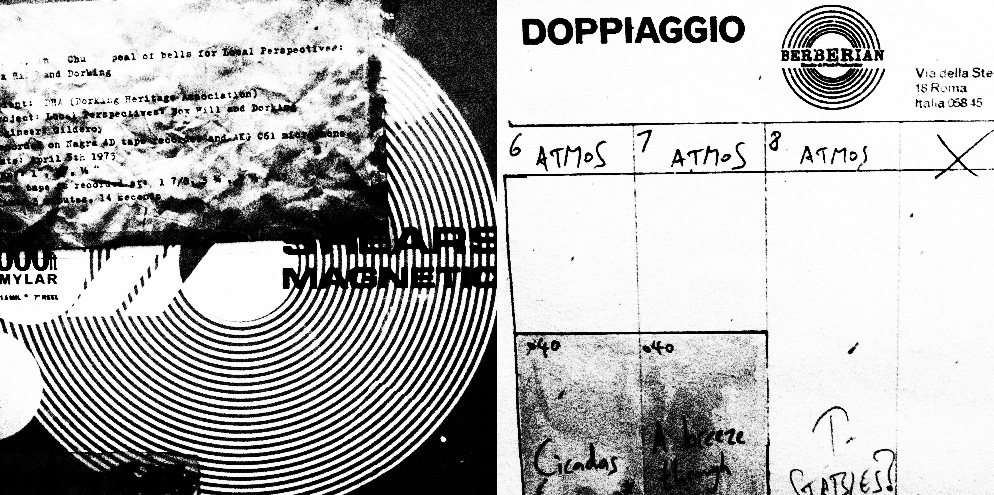
These include the tape packaging, edit sheets etc. for the studio setting and as a film it is deeply steeped within such pre-digital recording technology, with its physical form and noises becoming an intrinsic part of the story and its enclosed world.”

 Berberian Sound Studio-Peter Strickland-Julian House-Ghost Box Records-Broadcast-A Year In The Country 5 The Equestrian Vortex-Berberian Sound Studio-Julian House-Broadcast-A Year In The Country

“Julian House’s work also includes an intro sequence for the film within a film called The Equestrian Vortex, which is the one Toby Jones’ character is helping to create the sound effects for.

Accompanied by Broadcast’s music this uses found illustration imagery and creates an unsettling, intense sequence which draws from the tropes of folk and occult horror.”

 The Duke Of Burgundy-Cat's Eyes

“Following Berberian Sound Studio, Peter Strickland’s next feature film was The Duke of Burgundy.

On initial glance and indeed for the first section of the film this appears to be something of a stylistically salacious piece of work, drawing from the more erotically-inclined side of the likes of director Jess Franco’s films, which it is said in part to be a homage to.

Jess Franco was a Spanish film director, writer, composer, cinematographer and actor. He is known for having a prolific output of around 160 films released between 1959 and 2013, which often focused on exploitation genres. His work has gained a cult following, in part due to the exploitation elements of the films alongside his own at times distinctive film making style/aesthetics and also because his prolific output was largely made with little or no funding and has come to be considered a form of almost renegade or outsider film production.

However as The Duke of Burgundy progresses its cinematic journey is shown to not be an exercise in purely prurient cinema.”

the-duke-of-burgundy-peter strickland-title-film still The Duke of Burgundy-Peter Strickland-lecture-image film still

“It focuses almost exclusively on the lives of two female lovers, largely in the setting of one particular romantically and texturally ornate house and whose work involves the research, collecting and study of crickets and lepidoptera (butterflies and moths).

Although not explicitly explained, the wider world they live in seems to be largely concerned or even obsessed by such study, with their own lives revolving around little else (apart from boudoir activities).

Much of the decoration of the main house involves framed mounts of these creatures and the film will periodically focus on these and related images, creating a returning refrain and a near scientific but also reflective, expressive study of the beauty and decorations of nature.”

 Terry and June-British sitcom

“Connected to the strife of the film’s central characters, their conflicts and day-to-day nature of relationships, one of the reference points that Peter Strickland quotes in relation to the film is the 1979-87 British television sitcom Terry and June.

he Duke of Burgundy has much in common with such work in the way that it is an observation of the practicalities and unbalanced wishes and desires that can be present in relationships, of the sometimes petty, sometimes far from petty, annoyances and compromises that can be part of them.

Although in The Duke of Burgundy such things have an exotic setting and involve private, intimate rituals, ultimately some of the issues it considers are very similar to those in Terry and June; the frustrations of two people in their nightwear and pyjamas in bed.”

katalina-varga-2009-peter-strickland-a-year-in-the-country-4

“Katalin Varga was Peter Strickland’s first full-length film. Set in a contemporary period the films tells of a horse and cart journey and mission of revenge through the land by a mother, accompanied by her son who is unaware of the purpose of the journey.”

butter-on-the-latch-josephine-decker-a-year-in-the-country

“Josephine Decker’s Butter on the Latch film from 2013 is more stylistically experimental but might well be an appropriate reference point for Katalin Varga; pastorally set work that wanders off the beaten paths of conventional cinema or indeed a slasher in the woods and the land without the slashing.”

katalina-varga-2009-peter-strickland-a-year-in-the-country-1b

“Katalin Varga could almost be a period film and in part it seems to be set in a generally pastoral world that may not have changed all that much since medieval times.

During the film it is physically jarring when the viewer sees a more built up area and modern buildings, or when a mobile phone ring tone is heard in the film, while a yellow plastic plate that appears at one point seems almost offensive in this setting.

The modern world often seems to only appear in relatively small details: the contemporary rubber car tyres on the cart that is used in the journey, haymaking carried out by hand while in the background is a building with a satellite dish.”

 Scala cinema program-1986-London Scala cinema-London-photograph

“Katalin Varga does not necessarily have the more polished production sheen of the honey toned fantasy land of The Duke of Burgundy or the cloistered, contained and imagined interiors of Berberian Sound Studio but it creates a sense of its own world, time and place nonetheless. It may in part be a side effect of that lack of sheen but it seems as though it could be some semi-lost European film from an unspecified point in time, possibly the 1970s, which although arthouse did not quite belong to the accepted, reputable canon of cinema.

The kind of a film that would have been screened at London’s Scala cinema around the early 1980s to the early 1990s, which was something of a home for such things.

Peter Strickland’s films bring to mind those kind of arthouse, sometimes transgressive films that have often gone on to find a cult following but have not always become mainstream critically acceptable.

For example films that would have once appeared in the pages of Films and Filming magazine which was published from 1954-1990; often European cult arthouse independent cinema, with leftfield, exploratory and sometimes transgressive or salacious subject matter and presentation.”

duke of burgundy-moths-collageStan Brakhage-Mothlight-1963 mothlight-1963-001-still-brakhage

“(The) sense of homage within Peter Strickland’s films can sometimes be quite overt; in The Duke of Burgundy the earlier-mentioned night-time dreamlike sequence which sees the screen and one of the main characters consumed by a rapidly layering collage of lepidoptera seems to quite directly visually reference experimental film maker Stan Brakhage’s Mothlight film from 1963, which layered natural elements and insects to create a rapidly moving montage.”


Online images to accompany Chapter 26 of the A Year In The Country: Wandering Through Spectral Fields book, alongside text extracts from the chapter:

Details of the A Year In The Country: Wandering Through Spectral Fields book and the collection of its accompanying online images can be found at the Book’s Page, which will be added to throughout the year.


Posted on — Leave a comment

Arcadia – “She Was Told the Truth Lay in the Soil” – Views from a Not so Always Arcadian Idyll: Wanderings, Explorations and Signposts 26/52

Arcadia-film-Paul Wright-2017-BFI-Adrian Utley-Portishead-Will Gregory-Goldfrapp-Anne Briggs-folk-found footage-2

Arcadia was something of a treat to arrive through the old digital letterbox a while ago.

It is a film directed by Paul Wright which was created from a collage of found images, with a soundtrack by Adrian Utley from Portishead and Will Gregory from Goldfrapp, alongside music by Anne Briggs amongst others:

“Using a mixture of film and TV footage from the BFI National Archive and regional archives around the UK, director Paul Wright creates a mosaic of contrasting images, sounds and moods, taking in folk carnivals and masked parades, hunting and harvesting, communes and raves, mechanisation, environmental issues, fires, floods, storms and much more.” (From the film’s accompanying promotional text.)

Arcadia-film-Paul Wright-2017-BFI-Adrian Utley-Portishead-Will Gregory-Goldfrapp-Anne Briggs-folk-found footage-3

At times and particularly earlier in the film it can seem like a pastoral reverie but as it progresses the overall atmosphere and impression it leaves is far from a twee rural idyll and is at times deeply, quietly (and sometimes not so quietly) unsettling.

At A Year In The Country I have previously talked about particular television series etc being a form of “Albion in the overgrowth”, in the sense that they may contain glimpses of what could be loosely called an otherly, undercurrents or flipside of pastoral related culture; due to the institutional funding via the BFI, the “known” performers of its soundtracks and its still independent/arthouse but wider scale cinematic and upcoming home release, Arcadia seems like a time when the underground goes overground – a more publicly prominent expression of a contemporary interest in what could also be called “wyrd” pastoral and folk culture.

MisinforMation-Mordant Music-Central Office Of Information-BFI-DVD cover-A Year In The CountryIt could be seen as a companion piece to the also BFI released DVD MisinforMation, which was also created using found footage:

“The BFI invited Mordant Music to re-score a series of 70s and 80s public information films, resulting in a startling and ingenious audiovisual mash-up.” (From the DVD’s promotional text.)

Arcadia even shares the use of similar archival public information film footage, although due to its focusing on PIFs, MisinforMation can be seen as being more strictly hauntological than Arcadia, as such films are something of an ongoing mainstay and reference point for hauntological orientated ideas and work.

Arcadia-film-Paul Wright-2017-BFI-Adrian Utley-Portishead-Will Gregory-Goldfrapp-Anne Briggs-folk-found footage-1

Paul Wright’s film seems to explore and exist in the undefined but still recognisable territory where the hauntological, spectrally imprinted layers of history and culture intertwine with that aforementioned sense of an otherly pastoralism and the further reaches of folk culture.

Well, I say further reaches but actually much of for example the more folk ritual orientated footage that can be found in Arcadia would once and in a different context be considered to be fairly normal day-to-day archival footage of local activities and celebrations; within Arcadia they seem to gain another meaning as the film builds to become far more than the sum of its parts and reveals a sense of hidden layers and the stories to be found running beneath and throughout the land.

Arcadia-film-Paul Wright-2017-BFI-Adrian Utley-Portishead-Will Gregory-Goldfrapp-Anne Briggs-folk-found footage-11

Although in large part being created from what appears to be archival documentary footage, Arcadia does not purely draw from such film but also includes sections of Brownlow and Morro’s film Winstanley and its recreation of the 17th century diggers and their radical communal ways of living – although in a way that film seems almost nearer to documentary footage than a work of biographical fiction and so seems to fit particularly well in amongst Arcadia’s use of found footage.

Arcadia-film-Paul Wright-2017-BFI-Adrian Utley-Portishead-Will Gregory-Goldfrapp-Anne Briggs-folk-found footage-13

Elsewhere as mentioned earlier there are glimpses of public information films, what appear to be rurally set performance art and artist’s films and also the likes of David Gladwell’s experimental/exploratory film Requiem for a Village:

“The idyllic, rural past of a Suffolk village comes to life through the memories of an old man who tends a country graveyard.” (From the DVD’s promotional text.)

boards-of-canada-tomorrows-harvest-warp-artcard-edition-a-year-in-the-country-1 boards-of-canada-tomorrows-harvest-warp-artcard-edition-a-year-in-the-country-4

At points Arcadia’s soundtrack brings to mind Ghost Box Records-esque electronica and possibly also Boards of Canada’s hauntological progenitorial work; connected to which and some of the atmospheres Boards of Canada’s work creates, the images on the screen in Arcadia are often pastoral in nature but the soundtrack at times appears  to conjure a sense of a foreboding dystopic future.

At other points Arcadia’s soundtrack becomes a pounding, acid rave beat and images of the abandonment that is sometimes found in folk rituals and games are interspliced with footage of rave/club scenes, which historically could still be seen to have a rural connection as the unlicensed side of raves at one time often took place in country settings, in say deserted rural warehouses and open fields, although it is not made overly clear in Arcadia if this is the case with the footage which is used.

Elsewhere the escapism of participants in psychedelic/hippy probably 1960s or earlier 1970s rural festival footage appears in the film, which is is somewhat contrasted by the use of other footage which depicts the harsher form of escapism and youthful expression of urban punk gigs.

Arcadia-film-Paul Wright-2017-BFI-Adrian Utley-Portishead-Will Gregory-Goldfrapp-Anne Briggs-folk-found footage-7Arcadia-film-Paul Wright-2017-BFI-Adrian Utley-Portishead-Will Gregory-Goldfrapp-Anne Briggs-folk-found footage-16Henry Bourne-Arcadia Britannia-photographs-folklore-British-pearly kings and queens

Some of the images in Arcadia could be seen as being accidental forebears to Henry Bourne’s portraits of contemporary folk costume wearers in his book Arcadia Britannica: A Modern British Folklore Portrait. In fact Arcadia as a whole seems almost as if it could somehow have fallen both backwards and forwards through time and to somewhow be both an influence on and reflection on spectral pastoral work.

Adding to that sense of time slip, the version I watched was a compressed, lossy, timecoded preview version, which along with some of the degraded/multi-generational nature of sections of the source footage lend Arcadia a sense that it could well be a semi-lost film that you might stumble upon on the likes of Youtube.

Arcadia-film-Paul Wright-2017-BFI-Adrian Utley-Portishead-Will Gregory-Goldfrapp-Anne Briggs-folk-found footage-6Broadcast-Trish Keenan-photograph

Sections of Arcadia appear to be taken from previous era’s witchcraft/occult pseudo-documentaries and in a further falling backwards-and-forwards through time manner, some of the related footage in the film shares a similar aesthetic with some of the imagery and work created/collaborated on by the band Broadcast and its core members James Cargill and Trish Keenan, who released a collaborative album called Broadcast and the Focus Group Investigate Witch Cults of the Radio age.

That album also used found sounds from similar pseudo-documentaries, while part of Broadcast’s avant-pop aesthetic seemed to draw from and/or channel a form of psychedelic occultism.

Arcadia-film-Paul Wright-2017-BFI-Adrian Utley-Portishead-Will Gregory-Goldfrapp-Anne Briggs-folk-found footage-5

There appears to be a utopian/progressive undercurrent to Arcadia, related to which, at times the use and juxtaposition of images – for example the idyllic pastoral and the voracious actions of industry – can veer towards a more overtly polemic direction and possibly intention; it seems stronger as a piece of work when those elements are less stridently and more space is left for the viewer to travel with the film and I expect still be subtly signposted towards a particular conclusion and point of view.

The Innocents-O Willow Waly-George Auric-Isla Cameron-Finders Keepers 7 inch vinyl-Finders Kreepers-A Year In The Country

The film ends with George Auric and Isla Cameron’s haunting performance of the song O Willow Waly, a version of which was used in Jack Clayton’s unsettling pastoral supernatural 1961 film The Innocents and which was also released on seven-inch by often archival release orientated record label Finders Keepers. Due to that supernatural/pastoral connection, its use here seems somewhat appropriate and something of a rounding of the circle back to earlier work which also explored the undercurrents and hidden, layered stories of the land and rural areas.

Arcadia-film-Paul Wright-2017-BFI-Adrian Utley-Portishead-Will Gregory-Goldfrapp-Anne Briggs-folk-found footage-12

In reflection of the collaged, layered nature of the film, I thought I would continue and finish off with a few examples of the voiceover found in Arcadia, which I assume are also largely taken from archival footage:

“She was told the truth lay in the soil.”

“For a thousand years these valleys have had a secret which no one else has shared.”

“A secret past. A hidden history.”

Arcadia-film-Paul Wright-2017-BFI-Adrian Utley-Portishead-Will Gregory-Goldfrapp-Anne Briggs-folk-found footage-10

“A land of great magic. A land of great mystery.”

“All over Britain many still take part in these otherworldly rituals… return to a time when we were connected to the land. A time when we were connected to each other.”

“Does your mam know what you get up to when you come down here?” – “She will do now with you lot showing this on the telly.”

“None knew that a shadow had fallen on the land.”

Arcadia-film-Paul Wright-2017-BFI-Adrian Utley-Portishead-Will Gregory-Goldfrapp-Anne Briggs-folk-found footage-8

“For those with an image of the countryside as being somehow related to ‘Merrie England’, the presence of those who are impoverished and underpriveliged is a real threat.”

Arcadia-film-Paul Wright-2017-BFI-Adrian Utley-Portishead-Will Gregory-Goldfrapp-Anne Briggs-folk-found footage-15

“If I wanted to I could fill this little room with ghosts.”

“The past is gone, the future is unwritten.”

Arcadia-film-Paul Wright-2017-BFI-Adrian Utley-Portishead-Will Gregory-Goldfrapp-Anne Briggs-folk-found footage-14

Elsewhere:

Elsewhere at A Year In The Country:


Posted on — Leave a comment

Tim Hart, Maddy Prior and “The Dalesman’s Litany” – A Yearning for Imaginative Idylls and a Counterpart to Tales of Hellish Mills: Chapter 25 Book Images

Tim-Hart-and-Maddy-Prior-Folk-Songs-of-Olde-England-two different versions of the album cover

Tim Hart and Maddy Prior-Folk Songs of Olde England-A Year In The Country 4

“It is wise to be wary of harking back to some imagined pre-industrialisation idyll; as someone whose thoughts are recorded in the 1969 oral history book Akenfield: Portrait of an English Village by Ronald Blythe says, the old ways which were often quite harsh at the time can come to seem like pleasant aspects of life and times as the years add a distance and rosy glow to them.

Having said which, the song “The Dalesman’s Litany”, as performed by Tim Hart and Maddy Prior on their 1968 album Folk Songs of Old England, which takes as its subject matter a yearning for a return to pastoral idylls and away from a life working in industry is an appealing thing.

Originally a poem by Frederic William Moorman written around 1900, it is a tale told by an agricultural worker who has to choose between a life with his beau on the land he loves and working in towns, cities and mines because the local landowner does not want married workers.

In the later 1960s when this song was released, an idyllic, pastoral view of Olde England alongside the use and reinterpretation of traditional folk music and lore were sometimes part of a more experimental, exploratory strand in music and culture which to a degree was intertwined with psychedelia and a “hippie” utopian viewpoint…

The song imparts a sense of an aching yearning to return to the moor and leave the coalstacks, which makes the song a more personal counterpart to William Blake’s “Jerusalem/And did those feet in ancient time” which was originally published in 1808 and its words of dark satanic mills; a text which was a reaction to the societal disturbances brought about by the industrial revolution.”

Fractures-Night and Dawn Editions-A Year In The Country

“As mentioned in the chapter 7: “1973: A Time of Schism and a Dybbuk’s Dozen of Fractures”, by the early 1970s the spirit of “hippie” utopian ideals, which backgrounded the era in which the song was recorded, had begun to turn sour and inwards…

Accompanying which, being drawn to imagined, bucolic idylls from times gone by, folk music and culture may in part have come to be a reaction to a period of social, political and economic turmoil within Britain, related energy shortages and electricity blackouts.

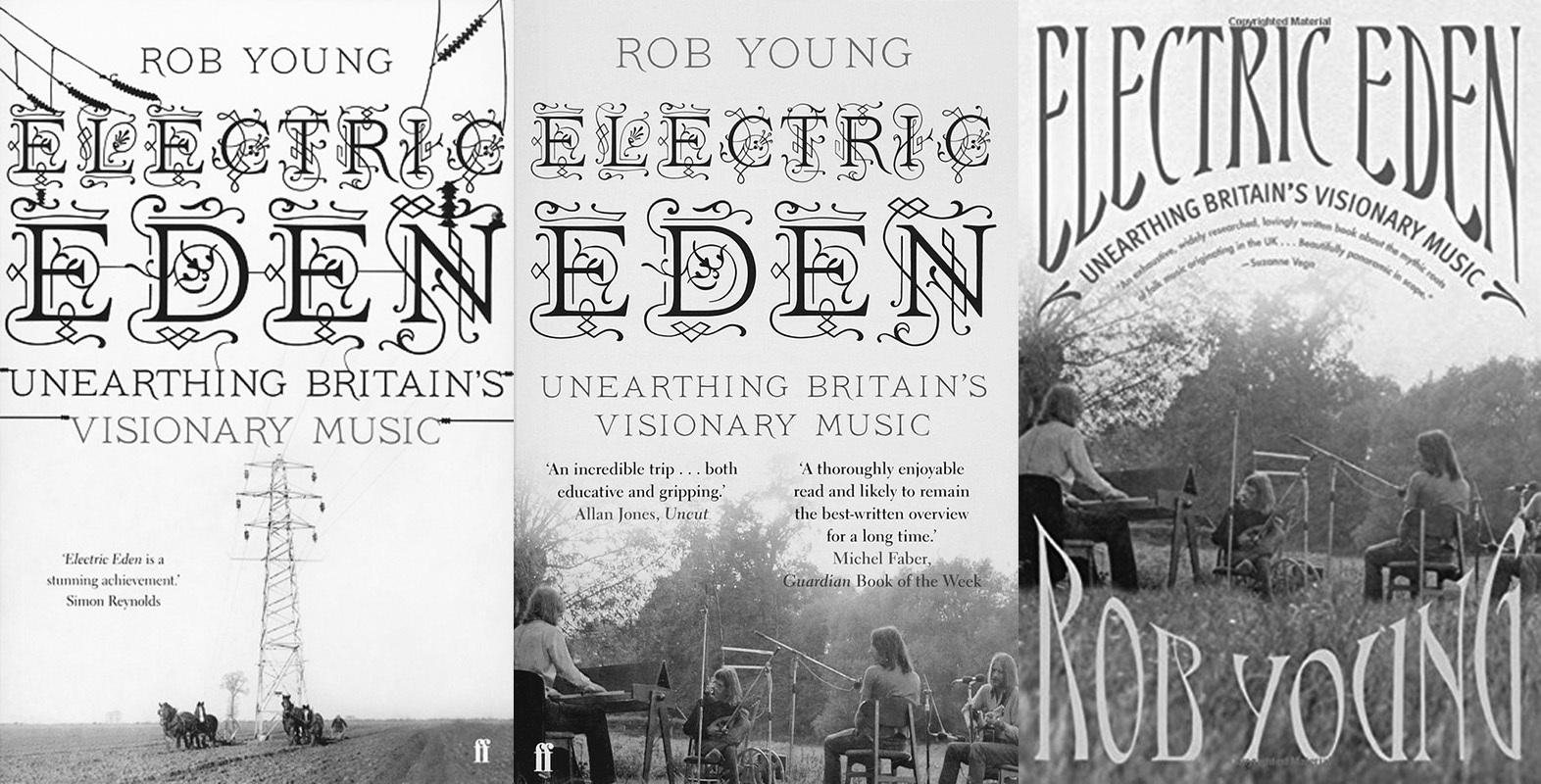
Indeed, The Dalesman’s Litany almost seems like a subtle protest song aimed at the era of its recording, obliquely filtered via, to reference Rob Young’s Electric Eden book (2010), a form of imaginative time travel, which further removes it from the more twee, romanticised side of folk interpretation and revival.”


Online images to accompany Chapter 25 of the A Year In The Country: Wandering Through Spectral Fields book, alongside text extracts from the chapter:

Details of the A Year In The Country: Wandering Through Spectral Fields book and the collection of its accompanying online images can be found at the Book’s Page, which will be added to throughout the year.


Posted on — Leave a comment

The Shildam Hall Tapes – Preorder and Release Dates

Shildam Hall-Dawn Light cover

The CDs are now sold out but the album is available to download at our Bandcamp page, Amazon, The Tidal Store, 7digital etc and can be streamed on Spotify, Apple Music, Deezer, YouTube etc.

Preorder 10th July 2018. Released 31st July 2018.

“Reflections on an imaginary film.”

In the late 1960s a film crew began work on a well-funded feature film in a country mansion, having been granted permission by the young heir of the estate.

Amidst rumours of aristocratic decadence, psychedelic use and even possibly dabbling in the occult, the film production collapsed, although it is said that a rough cut of it and the accompanying soundtrack were completed but they are thought to have been filed away and lost amongst storage vaults.

Few of the cast or crew have spoken about the events since and any reports from then seem to contradict one another and vary wildly in terms of what actually happened on the set.

A large number of those involved, including a number of industry figures who at the time were considered to have bright futures, simply seemed to disappear or step aside from the film industry following the film’s collapse, their careers seemingly derailed or cast adrift by their experiences.

Little is known of the film’s plot but several unedited sections of the film and its soundtrack have surfaced, found amongst old filmstock sold as a job lot at auction – although how they came to be there is unknown.

The fragments of footage and audio that have appeared seem to show a film which was attempting to interweave and reflect the heady cultural mix of the times; of experiments and explorations in new ways of living, a burgeoning counter culture, a growing interest in and reinterpretation of folk culture and music, early electronic music experimentation, high fashion, psychedelia and the crossing over of the worlds of the aristocracy with pop/counter culture and elements of the underworld.

The Shildam Hall Tapes takes those fragments as its starting point and imagines what the completed soundtrack may have sounded like; creating a soundtrack for a film that never was.

Features work by:
Gavino Morretti
Sproatly Smith
Field Lines Cartographer
Vic Mars
Circle/Temple
A Year In The Country
The Heartwood Institute
David Colohan
Listening Centre
Pulselovers


Will be available via our Artifacts Shop, Bandcamp and at Norman Records.


Posted on — Leave a comment

Requiem Part 1 – Further Glimpses of Albion in the Overgrowth and Related Considerations: Wanderings, Explorations and Signposts 25/52

Requiem-2018-BBC Netflix television series-Kris Mrska-intro sequence image-1

A while ago I watched Requiem, which is a television series created by Kris Mrska and co-produced by the BBC and Netflix.

It is a largely rurally set supernatural thriller, which is fairly unsettling without overly relying on gratuitous gore/fx as a form of entertainment/questionable audience stimulant, as seems to often be the case with much of contemporary television and film.

As a very brief introductory precis of the plot it involves a famous classical cellist who after the self-immolation of her mother attempts to seek the truth behind her death and her own origins, the search for which, after she finds newspaper clippings collected and hidden by her mother, leads her to a rural community where a young girl had gone missing and was never found many years before, the mystery of which begins to have a multi-layered, supernatural conspiracy aspect to it.

Requiem-2018-BBC Netflix television series-Kris Mrska-intro sequence image-6

Requiem could be placed in a loose gathering of “glimpses of Albion in the overgrowth” television – mainstream dramas etc which to various degrees explore, utilise and express a flipside or otherly pastoralism.

(As I have mentioned before there is no overarching, definitive genre name for such things but elements of the further reaches of folk culture, paganism, the supernatural, hauntological timeslip etc can be found in such things. Wyrd is a word that is often used but for some reason it also seems a little possibly clumsy or inelegant in terms of trying to capture a sense of such spectral cultural phantasms.)

Britannia television series

Along similar lines in relatively recent times in that loose gathering could be included Britannia, The Living and The Dead and elements of Detectorists, while if you cast the net further in years it could also take in the Savage Party Hollyoaks trailer and the turn of the millennium remake of Randall & Hopkirk (Deceased) – the latter two of which I have written about at the A Year In The Country site before and in the Wandering Through Spectral Fields book.

Detectorists-Unthanks-Timeslip sequence

Requiem-2018-BBC Netflix television series-Kris Mrska-intro sequence image-4

Anyways, back more directly to Requiem.

The introduction sequence is particularly striking. It combines various layered elements and atmospheres – a sense of beauty, subtle eeriness and darkness, a cello semi-hidden in the images, nature and wildlife, ancient folklore and superstition. Aesthetically it is nicely textured and kaleidoscope/mirrored, with subtle tinges of offset RGB transmissions and puts me in mind here and there of biological illustrator Angela Mele’s work for The Creeping Garden.

(As an aside, the sequence is by the Peters Anderson Studio – which now I know makes sense I’d thought it had a certain classy texturality, the lineage of which could be traced back to the likes of Vaughan Oliver and Nigel Grierson’s work for 4AD in the 1980s. The Peters Anderson Studio also created the nicely textured pastoral artwork for Sharron Kraus’ Pilgrim Chants & Pastoral Trails album released by Second Language Music and which I have written about at A Year In The Country previously.)

The Living And The Dead-BBC series-3

The soundtrack for Requiem was created by Dominik Scherrer and Natasha Khan, who is known for her work as Bat For Lashes and could be filed alongside The Living and the Dead’s, in that it explores/accompanies a sense of otherly pastoralism (and in The Living and the Dead’s case folk music and culture) within a mainstream television setting and which has been released to buy but only, at the time of writing, via download.

(The Living and The Dead’s soundtrack was released independently by The Insects who created/recorded it, Requiem’s by Dubois Music.)

Which is a shame, as apart from having a softspot for physically presented music I think that both series’ imagery and themes could lend themselves to some fine packaging.

Along which lines of such things being released physically or not, I have noticed increasingly that BBC television series are only being released in high definition online/digitally and in standard definition on DVD and not Blu-ray, which also seems a shame and restrictive in terms of options. The Living and the Dead was released on both Blu-ray and DVD but as far as I know Requiem is only being released on DVD.

I guess this is market-lead consideration, with Blu-ray sales still only being a fraction of those for DVD (20/80 respectively the last I read).

Although sometimes HD can be a little harsh in its presentation and possibly seem a little too “real” or break the spell of a drama, not having the option for it in physical media is still a tad annoying.

Such is the modern world I guess. Which brings me to Part 2 of this post…

To be continued in Part 2…

Requiem-2018-BBC Netflix television series-Kris Mrska-intro sequence image-5

Elsewhere:
The Requiem trailer
The Requiem title sequence by Peter Anderson Studio
More on Dominik Scherrer and Natasha Khan’s score
The Living and the Dead trailer
The Unthanks/Detectorists timeslip
The Britannia trailer
The Creeping Garden trailer
Angela Mele’s illustrations

Elsewhere at A Year In The Country:
1) Day #58/365: Lullabies for the land and a pastoral magicbox by Ms Sharron Kraus
2) Day #146/365: Glimpses of Albion in the overgrowth
3) Day #274/365: Borrowings from Albion in the overgrowth…
4) Day #275/365: Borrowings from Albion in the overgrowth (#2)… becometh a fumetti…
5) Day #316/365: The Detectorists; a gentle roaming in search of the troves left by men who can never sing again
6) Audio Visual Transmission Guide #16/52a: The Living And The Dead
7) Audio Visual Transmission Guide #28/52a: Valerie And Her Week Of Wonders – Unreleased Variations Away From Bricks And Mortar
8) Wanderings, Explorations and Signposts 9/52: The Creeping Garden – an exploration of a science / science fiction fantasia – Part I
9) Wanderings, Explorations and Signposts 10/52: The Creeping Garden – an exploration of a science / science fiction fantasia – Part 2

(Which is a fair few here’s and elsewheres…)


Posted on — Leave a comment

Folk Horror Revival: Harvest Hymns I & II Released – Companions for Wanderings Amongst the Patterns Under the Plough

Folk Horror Revival-Harvest Hymns-I-Twisted Roots-II-Sweet Fruits-book covers-1px stroke

Published just recently are the books Folk Horror Revival: Harvest Hymns I – Twisted Roots and Folk Horror Revival: Harvest Hymns II – Sweet Fruits.

The books are collections of articles, interviews, album reviews etc by a number of different authors, with both taking as their focus the undercurrents and flipsides of folk music, alongside more spectral/hauntological music and related cultural pastures.

Folk Horror Revival-logo

They are published by Folk Horror Revival which is described as:

“…a gathering place to share and discuss folk horror in film, TV, books, art, music, events and other media. We also explore psychogeography, hauntology, folklore, cultural rituals and costume, earth mysteries, archaic history, hauntings, Southern Gothic, ‘landscapism / visionary naturalism & geography’, backwoods, murder ballads, carnivalia, dark psychedelia, wyrd Forteana and other strange edges.”

In recent years those gathering places have included the main website, well-visited social media groups and a number of events including the Otherworldly: Folk Horror Revival at the British Museum day long event which featured talks, lectures, short films, poetry readings and museum tours.

Folk Horror Revivial-Harvest Hymns I-Twisted Roots-book contents

Harvest Hymns I – Twisted Roots considers the roots of related music and includes chapters on The Wicker Man soundtrack by Jonny Trunk, A Brief History of Acid Folk by Grey Malkin (of The Hare And The Moon and Widow’s Weeds), David Cain and Ronald Duncan’s The Seasons by Bob Fischer, the music of British folk horror films by Adam Scovell (author of the book Folk Horror: Hours Strange and Things Dreadful) and the sounds of The Stone Tape where Jim Peters interviews Andrew Liles. Elsewhere you’ll find chapters by/that focus on Sharron Kraus, Comus, Alison O’Donnell, Maddy Prior, Coil, The Radiophonic Workshop alongside a fair few other wanderings and explorations.

Folk Horror Revival-Harvest Hymns-Sweet Fruit-book contents-1px stroke

Harvest Hymns II – Sweet Fruits explores the modern day descendants of such work, including an interview with Jim Jupp of Ghost Box records by Jim Peters and Darren Charles, a review of Keith Seatman’s A Rest Before the Walk by Chris Lambert (of Tales from the Black Meadow), an interview with Drew Mulholland by John Pilgrim and also Jim Peters and a chapter on Boards of Canada’s Geogaddi by Daniel Pietersen. Elsewhere you’ll find chapters that focus on Moon Wiring Club, Songs from the Black Meadow, Jon Brooks’ Shapwick, Flying Saucer Attack, The Stone Tapes’ Avebury, The Rowan Amber Mill’s Harvest the Ears and as with the previous book a fair few more flipside of folk/spectral hauntological wanderings.

The book also includes Cuckoos in the Same Nest, which is an alternate version of the Cuckoos in the Same Nest: Hauntological and Otherly Folk Confluences and Intertwinings chapter from the A Year In The Country: Wandering Through Spectral Fields book.

And if you look closely, you may also see a piece or few of A Year In The Country artwork in the books…

Folk Horror Revival-Field Studies-Harvest Hymns-book covers

As just mentioned the focus of these two books are the music side of folk/hauntological and interconnected work; they can be seen as a companion piece to the previously published Folk Horror Revival: Field Studies, which focused on similar pastoral flipside and spectral areas but in the realms of film, television and literature.

That volume featured writing by amongst others Robin Hardy, Ronald Hutton, Alan Lee, Philip Pullman, Thomas Ligotti, Kim Newman, Adam Scovell, Grey Malkin, John Coulthart, Gary Lachman and Susan Cooper and includes chapters on Public Information Films, Nigel Kneale, David Rudkin, M. R. James and well, once again many more…

Folk Horror Revival-Field Studies-book contents

If you should fancy a wander amongst the patterns under the plough you may well find that these three books prove to be rather fine companions and bountiful points of reference and inspiration.


Elsewhere:

Elsewhere at A Year In The Country:


Posted on — Leave a comment

Luke Haines – Our Most Non-Hauntological Hauntologist: Chapter 24 Book Images

Luke-Haines-The Auteurs-Black Box Recorder-album and single covers and tracklisting-video still

“Musician and author Luke Haines is a curious gent and his work is an interesting example of how pop/rock can be conjoined with a certain intellectual stance and influence and still be good pop/rock songs.

Along which lines it could be considered to be “non-populist pop” (to quote the sleeve notes to The Eccentronic Research Council’s Underture 1612 album from 20121) .

The term “pop” is used as two of the bands he was involved with, The Auteurs and Black Box Recorder bothered the singles charts in the days when such things kind of still mattered, while the songs themselves are often catchy.

However, his work also seems to largely exist in a genre all of its own, one without a particular name.

It is without a name as probably something appropriately descriptive would need to be multi-layered and include the likes of One Time French Breakfast TV Indie Popstar, Brief Top Twenty-er, Musical Dada-Pantomine Villain and Pop Culture’s Hidden Undercurrents Explorer.

Which would be just a touch too long as a genre title for the racks of record stores.

As a background to the above possible genre title his band The Auteurs had a period of mainstream success in France which included Luke Haines appearing on breakfast television and Black Box Recorder’s single “Facts of Life” spent one week at number twenty in the UK singles chart. Although his work has a pop edge, it often also interacts with and explores more fringe or even experimental cultural areas, while he at times seems to position himself/be positioned as an arch observer or outsider, possibly even nemesis, to much of music and pop culture.”

 Day 10-The Auteurs How I Learned To Love The Bootboys-A Year In The Country

“There has been a connection or few with his work and what has come to be known as hauntology…

If you consider hauntology in a more general sense to mean the present being haunted by spectres of the past then Luke Haines is probably one of the more hauntological musicians out there.

His music often seems to literally be haunted by the past – his own, society’s, culture’s and bogeymen-like figures or worries of one sort or another from previous decades.

Take the 1999 album How I Learned to Love the Bootboys by one of his previous bands The Auteurs, which he was the instigator/frontman of.

The lead track and single of the same year “The Rubettes” borrows liberally from 1970s pop (“Sugar Baby Love” by its namesakes in particular), there are marauding skinhead bootboys from a similar era, an ode to a 1950s pop rock band (the singer of whom is “dead within a year”), imbibements popular in other eras (Asti Spumante, known as a “noxiously sweet poor man’s Champagne”) and so forth.”

 Luke Haines-Off My Rocker At The Art School Bop

“Elsewhere, such as on his 2006 solo album Off My Rocker at the Art School Bop there are teddy boys discos and Vauxhall Corsas, “the three day week, half-day Wednesdays, the spirit of the Blitz” and an unsolved 1960s celebrity boxers death.”

 9 1:2 Psychedelic Meditations On British Wrestling Of The 1970s & Early '80s-Luke Haines-album cover art

“While in 2011 he released a concept album dedicated to 1970s and early 1980s wrestling, called in an “it does what it says on the can” manner Nine and a Half Psychedelic Meditations on British Wrestling of the 1970s and early ’80s, which is a fine title and subject matter.”

 Black Box Recorder-England Made Me-The Facts of Life-Passionoia-three albums-cover art-1px stroke

“Between 1998 and 2003 Black Box Recorder, his trio with cohorts Sarah Nixey and John Moore, released three unparalleled albums which contained seething, brutally repressed, “now that the Empire has faded”, “I know what you’re doing in the afternoons”, arch Albionic pop-noir.

They often sounded as though they were singing from some kind of brutal, sneering, imaginary 1970s English hinterland.

Their work could be considered its own unique take on hauntological work’s creation of parallel worlds through a form of hazy misremembering and reinterpreting of previous eras and an associated sense of exploring resonant cultural reference points and atmospheres from the past and weaving with them to form new cultural forms and myths.”

Moon-Wiring-Club-Rob-Young-album review in Uncut and album cover art-2

“To a degree this connects with work that can be considered hauntological in a more conventional sense in that it puts me in mind of Rob Young’s review of a Moon Wiring Club album in Uncut magazine, where he talks of the enclosed music being “slathered in the fiction that it comes from an older, weirder England”.”

Like-Haines-Maximum-Electronic-Rock-N-Roll-2-cover art and promo photograph

Luke Haines-A Year In The Country

“His 2015 album British Nuclear Bunkers took him nearer to conventional hauntological territory, being a largely instrumental, Radiophonic-esque album which was recorded in part using (presumably, from his championing of them online around the time of the album’s release) cheap tuppence ha’penny synthesisers.

Aside from the album’s title, the titles of the tracks include “This Is the BBC”, “Test Card Forever”, “Mama Check The Radar at the Dada Station”, “New Pagan Sun”, “Deep Level Shelters Under London” and “Electronic Tone Poem”.”

 Luke Haines-Bad Vibes-Post Everything-book covers

“What he brings to hauntology-related work is a playful, sometimes outright humorous take on such things; an absurdist and dada-like exploration of occult histories.

If you should look up the definition of dada you may find that it was an art movement founded on “irrationality, incongruity, and irreverence towards accepted aesthetic criteria”,which sounds somewhat appropriate for Haines’ work and might also be used to refer to his insubordinate to the cultural status quo stance as an author in the 2009 and 2011 autobiographical books Bad Vibes and Post Everything and possibly also at points his interviewee stance.”

 Luke Haines-video still-2 Luke Haines-video still-1

“Along which lines, the video that accompanies British Nuclear Bunkers features him with only somebody wearing a gorilla suit for company.

They are pictured in a largely featureless room that implies a sense of it being part of a subterranean, not known to the public Cold War interrogation centre.

The gorilla squeezes lemons and plays an analogue synthesiser while Luke Haines, dressed in what appears to be a biohazard protection suit, practises what can only be described as occult pagan yoga.”

 luke-haines-smash-the-system-album-morris-dancers-a-year-in-the-country-stroke-1

“Haines’ 2015 album Smash the System seemed to also travel, in his own particular way, to the point at which hauntological concerns meet otherly folklore. So, for example, while there are all kinds of pop culture titles and references to the album (Marc Bolan, Bruce Lee, Vince Taylor etc.) there are also tracks called “Ritual Magick”, “Power of the Witch” and “The Incredible String Band”.

The album has an archival photograph of morris dancers as its cover image and the accompanying video for the title track shows their contemporary equivalent on a slightly worrying and unsettling bender or borderline riotous fracas in an urban capital city setting (while the song also namechecks his love of The Monkees and The Velvet Underground).

luke-haines-smash-the-system-%22pop%22-video-a-year-in-the-country-2 luke-haines-smash-the-system-%22pop%22-video-a-year-in-the-country-3

“The video also features gas masks and a tray full of shots for the Morris dancers to drink (for some reason the latter of which seems most unruly, unsettling and just a bit wrong).”

 Earl Brutus-The SAS and the Glam That Goes With It-Tonight You Are The Special One-Scott King design

A Clockwork Orange-film still-Stanley Kubrick

“Appropriate reference points may also include the arty-lairiness of Earl Brutus, with whom Luke Haines has at various points shared a designer and collaborator in the form of Scott King and possibly even the imagined troublesome youth cult of the film version of A Clockwork Orange from 1971.”

The-Auteurs-The-Rubettes-cover art and insert

“…the cover to the “The Rubettes” single from 1999 travels further along this path with its depiction of genuinely unsettling folk horroresque masked men in black industrial protective weather proofs combined with Mr Punch-like outfits and masks.

They have parked their livestock van out in the countryside in the middle of nowhere and one of them peers out from the slats in its rear at the viewer with intentions that can only be far from good.”


Online images to accompany Chapter 24 of the A Year In The Country: Wandering Through Spectral Fields book, alongside some text extracts from the chapter:

Details of the A Year In The Country: Wandering Through Spectral Fields book and the collection of its accompanying online images can be found at the Book’s Page, which will be added to throughout the year.


Posted on — Leave a comment

Audio Albion – Wanderings Amongst the Airwaves, the Ether and Elsewhere…

Audio Albion-Nightfall Edition-Nightfall and Dawn Light editions-A Year In The Country

A selection of some of the recent broadcasts, reviews etc of the Audio Albion album.

Aside from the A Year In The Country connection, the below links etc are well worth a wander and peruse as, like a good jumble sale, you never know quite what else you might find when you’re rummaging.

(PS Whatever happened to jumble sales? Largely supplanted by charity shops maybe?)

We Are Cult website logo

“A gorgeous collage of sound myths, emboldened stories and earthly sounds; a journey through the rims and roads of Britain.” From the review at We Are Cult, which joins something of a growing selection of other A Year In The Country reviews around those parts. Visit that here.

John-Coulthart-Feuilleton-five in a row

“On Stormy Point, contains a whistle recording made in one of the caves at Alderley Edge in Cheshire, an important location in the Rural Wyrd via the popularisation of its myths in the novels of Alan Garner… The Unquiet Grave by Widow’s Weeds… a marvellous interpretation of one of the spookiest English folk songs…”

John Coulthart posted about the album at his feuilleton site, where it joins a fair old selection of other posts on A Year In The Country related work and releases. Visit that here.

Massimo Ricci-Touching Extremes-logo

“…purely acoustic rarefaction to aggregated loops, layered/solitary voices to morsels of modern folk melodies, palatable soundtrack-ish electronica to eerie nebula…” Massimo Ricci, Touching Extremes

Goldmine magazine-2018 logo

“Captured in locations as diverse as a derelict workshop in Holloway, Hereford Cathedral, a flood marsh in the Roding Valley and the cavern beneath Peveril Castle, the sounds of the surroundings are then blurred and blended into newly composed musical pieces – ambient nature overlaid by ambient sound, in which the former forms the backdrop that then drives the latter along.” Dave Thompson at Spin Cycle/Goldmine

Music Wont Save You-Raffaello Russo

“…tutti impegnati a scandagliare prati, foreste, foreste e panorami extraurbani, ricavandone una nuova eterogenea mappatura del territorio rurale britannico, attraverso narrazioni immanenti in un lungo periodo, costellato da stille elettro-acustiche risuonanti…” Raffaello Russo at Music Won’t Save You (and an approximate English translation can be found here)

The Guardian-Friday 1st June 2018-folk column-Jude Rogers-Audio Albion-A Year In The Country-1600px

“Audio Albion is the latest brilliant release in an ongoing project to map landscape and memory through eerie instrumentals and twisted takes on folk culture.” Jude Rogers at The Guardian; in the newspaper and the piece can also be found online here.

Mark Losing Today-The Sunday Experience-The Restless Field-A Year In The Country

“The haunting spectral that is ‘Winter Sands’… fashioned in twilight twinkles, its dissolving dream like palette chartering as were, mystical waterways beyond the veil, it’s here where nothing seems real, to world’s where imagination and dream collide into a perpetually shifting cortege seasoned in ghostly carousels and macabre mosaics.” Mark Losing at The Sunday Experience

Shindig magazine-issue 79-Audio Albion review-A Year In The Country CD album

“…’music and field recording map of Britain’ featuring 15 tracks that incorporate found sounds from rural walks, semi-industrials ‘edgeland’ and liminal spaces between this world and the next… The compositions often suggest unseen images and unrevealed narrative…” Ben Graham in Shindig! magazine, issue 79


And now the radio etc broadcasts:

Fractal Meat logo

Tracks from the album by David Colohan, Magpahi and Howlround were played on Graham Dunning’s Fractal Meat, amongst its audio scrapbooking of the likes of “sonic art and experiments, improvised music, textures and rhythms”. Originally broadcast on NTS, the show can be visited here.

Flatland Frequencies banner-A Year In The Country

Luke Sanger played a track by Bare Bones on Flatland Frequencies (and something of a welcome return for the show). The show was originally broadcast on Future Radio and can be found archived here.

the-gated-canal-community-radio-the-quietened-bunker-a-year-in-the-country

Justin Watson of record label Front & Follow (always worth a look-see at what they’re putting out into the world) played tracks by Grey Frequency and Field Lines Cartographer on the Gated Canal Community Radio Show, where he was accompanied by Freak Zone and Late Junction producer Rebecca Gaskell. Originally broadcast on Reform Radio, the show can be visited here.

The Late Junction-BBC Radio 3-logo

Talking of which… Verity Sharp played tracks from the album by Magpahi and Time Attendant on two separate episodes of BBC Radio 3’s Late Junction’s, amongst the shows around-midnight sonic adventuring and wandering. Visit those here and here.

Resonance-FM-logo-Pull the Plug-Jonny Seven

Johnny Seven played Vic Mars’ Dinedor Hill on Pull the Plug, alongside the rather finely monikered Making Tea for Robots. Originally broadcast on Resonance FM, the show can be visited here.

The Unquiet Meadow-radio show-image 2

The Unquiet Meadow have been wandering amongst a fair number of the various pathways of Audio Albion and over four episodes have played tracks by Magpahi, Widow’s Weeds, Vic Mars and Pulselovers. Originally broadcast on Asheville FM, the show can be visited here.

Sunrise Ocean Bender-radio show logo-On a Satellite's Wing

Sunrise Ocean Bender played Pulselovers’ Thieves’ Cant on the also rather finely monikered On a Satellite’s Wing episode of their radio show. Originally broadcast on WRIR, the show can be found here.

The Seance Radio show-wider logo

Grey Frequency’s Stapleford Hill was played on sometimes A Year In The Country fellow travellers The Séance’s phantom seaside radio show. Originally broadcast on/via Radio Reverb, Totally Radio and Sine FM, the show can be found here.

Gideon Coe-BBC Radio 6-logo 2018

Gideon Coe has played Vic Mars’ Dinedor Hill not once but twice on his show on BBC Radio 6. Blimey. Visit the shows here and here.

On The Wire-Radio Lancashire-logo

…and it was also played on the now decades longstanding On The Wire radio show (on the air since 1984, blimey again). Visit that here.


Much appreciated and a tip of the hat to everybody involved in the above. Thanks!

Audio Albion-Nightfall edition-print

Audio Albion is a music and field recording map of Britain, which focuses on rural and edgeland areas. The album features work by Bare Bones, David Colohan, Grey Frequency, Field Lines Cartographer, Howlround, A Year In The Country, Keith Seatman, Magpahi, Sproatly Smith, Widow’s Weeds, Time Attendant, Spaceship, Pulselovers, The Heartwood Institute and Vic Mars.

Further details can be found here at A Year In The Country.


Posted on — Leave a comment

John Carpenter’s Prince of Darkness Part 3 – Quatermass-esque Non Bebop Filmmaking: Wanderings, Explorations and Signposts 24/52

prince of darkness title-John Carpenter-1987Halloween III-John Carpenter-Tommy Lee Wallace-Alan Howarth-Nigel Kneale-1982-6

So, continuing on from Part 1 and Part 2 of this post on John Carpenter’s 1987 film The Prince of Darkness…

The film was written by John Carpenter but is credited to Martin Quatermass, in homage to Nigel Kneale and which also connects it to the John Carpenter co-produced and scored Halloween III (1982), the script of which was initially written by Nigel Kneale and which I have previously written about at A Year In The Country.

british-quatermass-and-the-pit-poster-by-tom-chantrell-1967

Quatermass-and-the-Pit-Nigel-Kneale-bluray-cover-art-foreign cover art
(Above top: the original British poster art for Quatermass and the Pit. Below: artwork for a foreign release of Quatermass and the Pit and a Blu-ray reissue.)

Prince of Darkness shares some similar preoccupations as Nigel Kneale’s work and could be seen as treading not dissimilar ground as Quatermass and the Pit, which features an ancient alien spacecraft and race that are unearthed and discovered to have been instigators/controllers of mankind’s darker urges over the ages: in both films ancient destructive, human mind and action controlling forces are awakened and the devil, dark forces and evil are given rational, scientific, physical explanations and embodiments, with these beings bearing a physical similarity to archetypal images of devils.

The-Village-Of-The-Damned-poster-French-Martin-Stephens-1px stroke

(In a further connection to British science fiction authors, one of the characters in Prince of Darkness is called Wyndham, which may well be a homage to The Midwich Cuckoos author John Wyndham – a book which John Carpenter would go on to adapt in 1995 when he made Village of the Damned, which had been originally adapted for cinema in 1960.)

All the above could make Prince of Darkness seem to be a quite heavy experience but I hasten to add that it is an entertaining film – well, entertaining in the sense of unsettling the living heck out of you. As John Carpenter says in one of the Blu-ray extras “I wanted to do a movie that caused a lot of unease and dread”.

Job accomplished Mr Carpenter.

Prince of Darkness-bluray-John Carpenter-collectors edition-scream factory

The extra in question is called “Sympathy for the Devil”, which features a new interview with John Carpenter and can be found on the Scream Factory / Shout Factory Collector’s Edition Blu-ray release of the film, which if you have access to a Blu-ray player capable of playing Region A discs is well worth seeking out.

It features a sympathetic restoration and extras, particularly the new interview with John Carpenter that inform and inspire further debate rather than merely revealing or over revealing “the secrets behind the magic curtain”.

Oh and nicely done animated menu screen as well (!).

The Blu-ray cover features a newly commissioned illustration by Justin Osbourn, which pays homage to the atmosphere and era of production of the film while also lending it a certain modern tinge or edge.

Steel Factory-Prince of Darkness-1987-John Carpenter-steelbook bluray-650px

(As an aside, when writing this I saw that Scream Factory have released a steelbook version of the film, the new cover illustration for which is a good capturing of the intermingling of science, technology, religion, horror, the super or preternatural etc within the film. As an aside within an aside – blimey, it’s getting to be like vinyl single covers in the 1980s with all the variants of film covers released in limited edition and the like nowadays.)

John Carpenter-Scream Factory-Shout Factory-bluray extras-Sympathy for the Devil

Watched now, when much of film and television is almost frantically kinetic and action filled, Prince of Darkness has a refreshing stillness of pace – although without being slow, plodding or recalling a sense of the now sometimes hard to digest rhythms of previous decades of film and television. Rather, this allows the viewer’s mind and imagination to wander.

Along which lines, in Sympathy for the Devil, John Carpenter discusses how film today “is all bebop” – referring to the style of jazz which features fast tempos and complex, rapid changes and how he considers that there are two main ways of making films: one approach which draws from German expressionist film and has a certain languid presentation which allows space and time for the viewer to “look around” and another which draws from Russian montage, where there is a rapid cutting together of images in order to keep people excited and stimulated but which can be devoid of content.

Prince of Darkness ain’t so bebop and all the better for it.

Prince of Darkness-John Carpenter-1987-film still

Connected to which despite it being an unsettling horror film, there is little gratuitous gore in the film.

This is in contrast to much of contemporary film and television, whether horror, thriller etc, where a very graphic presentation of such things seems to have become the norm and a form of easy, obvious and questionable form of audience stimulation.

Yes, it’s okay, we get it, between CGI and prosthetics you’ve worked out how to portray such things – the possesion of that technical ability does not mean you have to use it. There is a known part of human consciousness called imagination which does not need precise visual depicting of acts in order to create its own images and atmospheres (!).

Anyways…

Victor Wong-Prince of Darkness-John Carpenter-1987-lecture

John Carpenter also discusses in the Blu-ray extras how he had been reading a book on subatomic particles, which seems to have informed the film’s themes:

“None of this is truth. Say goodbye to classical reality because our logic collapses on the subatomic level into ghosts and shadows.” (From a lecture presentation in the film.)

That sense of reality, of our belief systems being questioned, collapsing and thrown into new light could well be the main underlying theme of the film.

Elsewhere:
The Prince of Darkness trailer via Scream Factory
An extract from Sympathy for the Devil/an interview with John Carpenter from the Scream Factory Blu-ray
The Scream Factory Collector’s Edition
The Scream Factory limited edition Steelbook

Elsewhere at A Year In The Country:
1) Wanderings, Explorations and Signposts 4/52a: Halloween III: Season of the Witch – A Curious Slice of Culture and Collisions with the Past
2) Wanderings, Explorations and Signposts 22/52: John Carpenter’s Prince of Darkness Part 1 – The Sleeper Awakens
3) Wanderings, Explorations and Signposts 23/52: John Carpenter’s Prince of Darkness Part 2 – “This is not a dream”


Posted on — Leave a comment

Queens of Evil, Tam Lin and The Touchables – High Fashion Transitional Psych Folk Horror, Pastoral Fantasy and Dreamlike Isolation: Chapter 23 Book Images

Queens of Evil-1970-Le Regine-A Year In The Country 8The Touchables-film-1968-French posterTam Lin-1970-film poster-A Year In The Country

“There is a mini film sub-genre of pastoral fantasy, with at times elements of folk horror, wherein late 1960s and turn of the decade high fashion mixes with grown up fairytale high jinx, wayward behaviour and sometimes a step or two or more towards the dark side, all carried out in dreamlike isolation in the woods and pastoral settings.

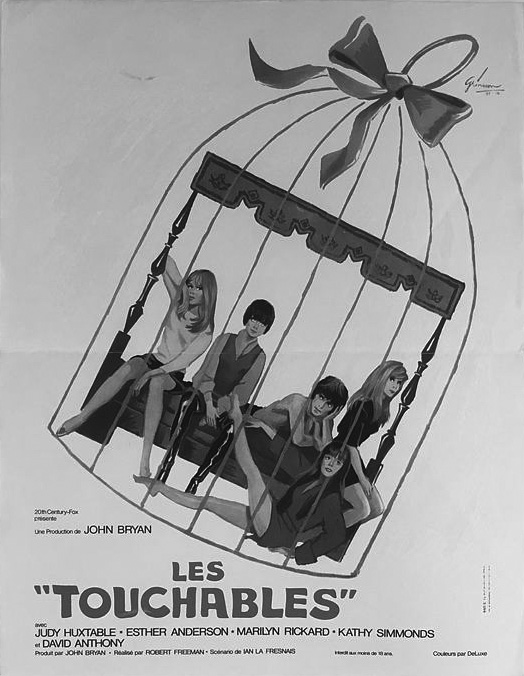
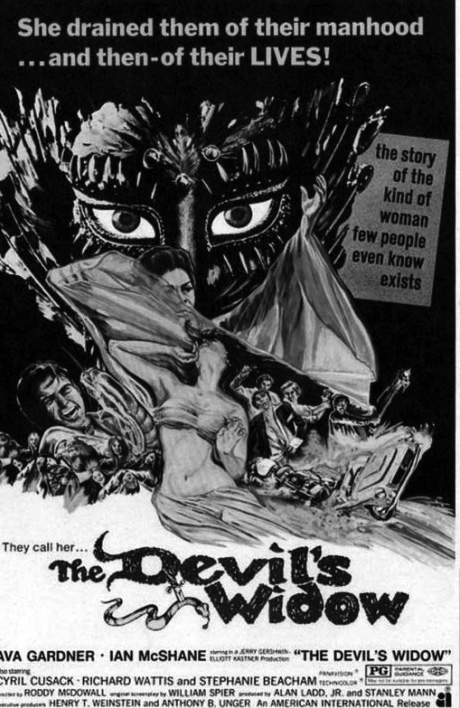
The three main films aligned with such things are Queens of Evil aka Le Regine or Il Delitto del Diavolo (1970), Tam Lin aka The Devil’s Widow (1970) and in a more loosely connected manner The Touchables (1968).

All three of these films draw from, to varying degrees, some of the often defining themes of folk horror: being set in rural places and buildings where activities and rituals can develop or take place without easy escape to or influence from the outside world, normality and societal norms.”

Queens of Evil-1970-Le Regine-A Year In The Country 1

Queens of Evil-1970-Le Regine-A Year In The Country 4c

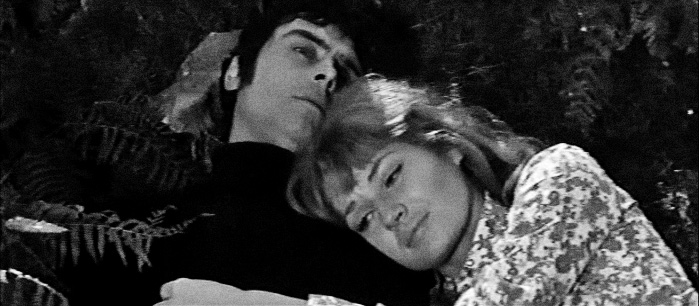
“Queens of Evil’s plot follows a handsome young freewheeling hippie idealist who comes across a house in the woods after he has been involved in a road accident where a materially wealthy gent was killed.

Living in this house are three young women who take him in, charm, nurture, seduce and confuse him. Everything is rosy for a while but there is something off-kilter about the setup and he cannot quite seem to leave.”

Queens of Evil-1970-Le Regine-A Year In The Country 5c

Psychedelic-Folklorist-collection of images-1px stroke

Celia Birtwell-Ossie Clark-1960s-three fashion photographs-pastoral-folk

 “It is an at points chimeric fantasy which is largely set in sharply stylish but indolent, tree-inhabited period interiors and is full of late 1960s ethereal high-fashion along the lines of Ossie Clark and Celia Birtwell’s work from then and also incorporating the period folkloric-meets-psychedelia imagery collecting of website Psychedelic Folkloristic and its reflection of a relatively brief point in time around the later 1960s to early 1970s when fashionability turned towards folk and pastoral concerns.”

daisies-1966-sedmikrásky-1 daisies-1966-sedmikrásky-2

“(In terms of) reference points it creates a sense of a gently decadent grown ups version of a tea-party in the woods, a dash of Snow White (at one point somebody says “It’s just like Snow White’s house” about the cabin in the woods), a bit more of a dash of Hansel and Gretel and its tales of leading astray, more than a touch of the earlier mentioned and loosely interconnected kidnapping and pop-art pastoral playground film The Touchables, alongside the social critique and/or dreamlike qualities of some of Czech New Wave films such as Daisies (1966) and Valerie and her Week of Wonders (1970).”

Queens of Evil-1970-Le Regine-A Year In The Country 4

The Wicker Man-1973-film still-procession

It could well also be appropriate to include The Wicker Man (1973) as another reference point.

“In both films there is a similar sense of game playing, of leading a worldly innocent through a set of rituals and of differing levels of power and control in a rural setting.

Also, in common with that towering relatively modern folklore tale, apples and symbols of temptation play a part in this game.

And as with The Wicker Man, this is a tale full of its own and borrowed mythology, which seems to exist and be told in a world of its own imagining, where the outside rarely intrudes.”

Liefe & Lief-Fairport Convention-album cover art Comus-First Utterance-album cover art

“In many ways it is a story of a culture tottering right on the edge of when the utopian, carefree, sundrenched dream of the 1960s was about to fall into the darkness of its own dissolution in the following decade (Liege & Lief becomes Comus, to draw parallels with folk music’s progression at the time).”

the-touchables-1968-film-a-year-in-the-country-2

The Touchables-Brian Freemantle-book-novelisation-Robert Freeman 1968 film The Touchables-1968-Robert Freeman-film still

the-touchables-film-1968-a-year-in-the-country-3

“In terms of this loose mini sub-genre of pastoral fantasy, The Touchables is more rooted in the later part rather than the tipping point of that 1960s dream, although it does represent a world and culture which seems to have become untethered and possibly one which lacks a moral centre.

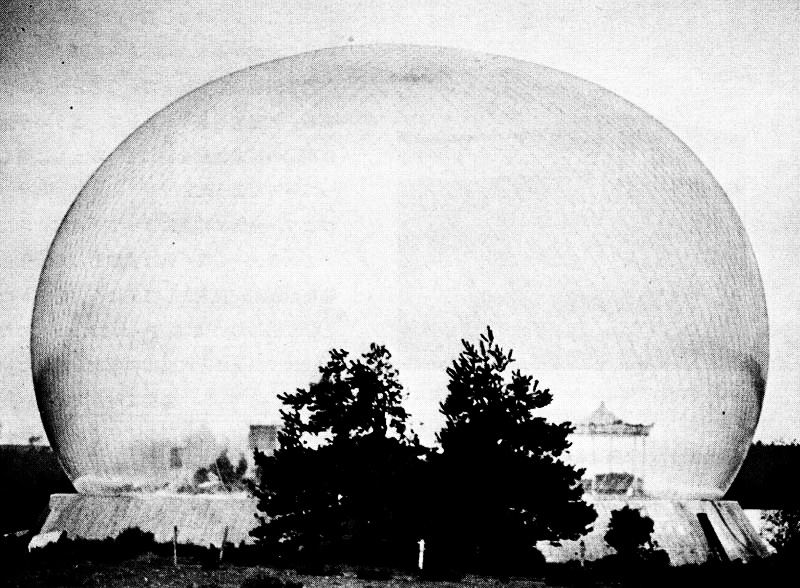
It is a very modish tale of a group of stylish sixties women who live in a huge see-through plastic bubble in the middle of the countryside who kidnap a pop star as “a temporary solution to the leisure problem” and in order make him their plaything.

the-touchables-1968-film-a-year-in-the-country

Nirvana-1968 album-All of Us-The Touchables film 1968

“Mixed in with this are the stealing of a Michael Caine dummy, gangsters, wrestlers with rather refined aristocratic tastes, a fair bit of high-fashion styling and a fine pop-psych title song by Nirvana (the 1960s band rather than the later Seattle based grunge group).

Essentially, at heart it is a caper romp but one that is more than one remove from the mainstream and quite surreal in its setting and the mixture of elements it contains.”

Performance-1970-Nicholas Roeg-Donald Cammell-James Fox-Anita Pallenberg-Mick Jagger-Michele Breton

“It was not a surprise to discover that The Touchables was based on a script by Donald Cammell (with a screenplay by Ian La Frenais), as in part it represents a proto, more pop-art, possibly light hearted take on Performance (1970), which he wrote and co-directed.

As with The Touchables, Performance also incorporates a theme of a popstar living in an enclosed bubble world, although its setting is in some ways more prosaic as it involves a former popstar who lives a reclusive, isolated life in a London flat rather than in a rurally set large-scale see-through plastic dome as is the case with The Touchables.”

 the-touchables-1968-film-a-year-in-the-country-4

“One intriguing aspect of The Touchables is that there is not even an attempt to explain how the stylish group of female kidnappers’ bubble or lifestyle are afforded, nor why there seems to be no outside comment or interference by mainstream society, authority etc. about their quite frankly rather unusual giant blow-up see-through home that is sitting in the middle of the countryside, complete with jukebox, canopied merry-go-round etc.”

Tam Lin-1970-opening sequence 2-A Year In The Country.jpg

Tam Lin-1970-opening sequence-A Year In The Country.jpg

“Tam Lin is a curious film which as with Queens of Evil and The Touchables does not easily fit into any particular mainstream genre; it is a loose modern adaptation of the traditional folkloric tale and song “The Ballad of Tam Lin”, relocated to the country home of an almost mythologically wealthy older woman which is peopled by various late 60s hipsters, hunks and prepossessing actresses of the time (including Madeline Smith, Joanna Lumley and Jenny Hanley) and soundtracked by British jazz-folk band Pentangle.”

Ian McShane-Ava Gardner-Tam LinIan McShane-Tam Lin-Stephanie Beacham

Tam Lin-1970-screenshot 2-Ava Gardner-lighter-A Year In The Country.jpg 

“Hollywood legend Ava Gardner stars as that wealthy, older woman, alongside a dapper Ian McShane who plays a young man that catches her eye and Stephanie Beacham as the innocent from the world outside.”

Planet of the Apes-1968-ending

Roddy McDowall-Ava Gardner-Tam Lin-on setRoddy McDowall-Cornelius-Planet of the Apes

“It was directed by Roddy McDowell, who is possibly most famous for playing the lead simian character in the Planet of the Apes films that were released from 1968 to 1973.

This was the only time he directed which is a pity as this film shows that he had considerable promise in that area.”

Tam Lin-1970-screenshot-A Year In The Country.jpg

Tam Lin-1970-screenshot 2-Joanna Lumley-Madeline Smith-A Year In The Country.jpg

Tam Lin-1970-screenshot 2-A Year In The Country.jpg

“The plot involves an immensely rich older lady Michaela Cazaret, gathering up hip young things to come and live, play with and amuse in her country mansion; her actions seems like a scooping up or pied piper-esque leading as she heads a convoy of cars through roads walled by pylons into her country lair.

Cue childlike games (how can a game of frisbee seem so very odd?), partying, pleasing of the senses, imbibing and so forth.”

 Psychomania 1971-screenshot-A Year In The Country

“In Tam Lin there is a sense of playful opulence and a mod/post-mod sharpness to the style which could be compared and contrasted with say the murk, grime and tattiness of the also sub/counter-culture orientated folk horror related film Psychomania which was released in 1973.

They are separated by but a few years but are worlds apart in terms of the aesthetic style, societal/economic conditions, atmosphere and possibly optimism that they represent or portray.”

 Pentangle-band-group photograph

“Tam Lin was also made at a high water mark of folk rock and the returning music refrain throughout the film is traditional folk song “The Ballad of Tam Lin” from which the film takes its inspiration, performed in the film by Pentangle and which infuses and intermingles with the more conventional music score.

The film’s story follows that of its folk music forebear which with its fantastical tales underpins and layers the sense of this being an adult fairytale.” 


Online images to accompany Chapter 23 of the A Year In The Country: Wandering Through Spectral Fields book, alongside some text extracts from the chapter:

Details of the A Year In The Country: Wandering Through Spectral Fields book and the collection of its accompanying online images can be found at the Book’s Page, which will be added to throughout the year.


Posted on — Leave a comment

John Carpenter’s Prince of Darkness Part 2 – “This is not a dream”: Wanderings, Explorations and Signposts 23/52

prince of darkness title-John Carpenter-1987

In Part 1 of this post I began to write about John Carpenter’s Prince of Darkness, a low budget film he made in 1987 which interweaves, layers and explores horror shocks and tropes with an alternative scientific exploration/explanation of religious archetypes, with a plot where evil takes the physical form of sentient liquid that is discovered to be what we know of as the devil and the source of evil and which has been hidden and contained for millennia.

This liquid or devil is the offspring of a mass mind which is thought to controls all matter and which is bound to an anti-matter realm or universe.

Prince of Darkness-1987-John Carpenter-dream sequence-5

Members of a research group who are called in to investigate this liquid by a priest begin to have the same dream, which appears to be sections of a transmission and warning from the future where a dark foreboding figure appears at the entrance of the church where the liquid has been hidden, with the dream transmission telling those receiving it that they must change the events that will lead to this.

As I mention in Part 1 of this post, the film has a sparse, tense, ragged energy and contains within it an overarching sense of dread.

Within the film, the portal between the dark/evil universe and ours takes the form of a mirror, which a possessed or transformed human attempts to aid the father or devil figure’s through by reaching into.

(Some of these sections draw inspiration from sequences in Jean Cocteau’s 1950 film Orpheus – if I remember correctly in Prince of Darkness the liquid surfaces of the mirrors were created using liquid drained from the base of a steadicam.)

This crossing over appears to be ended or at least thwarted when one of the research group essentially sacrifices herself by running at the possessed human and carrying them both through into this other realm, immediately after which a priest smashes the mirror with an axe in order to destroy the portal.

Dream sequence-2-Prince of Darkness-1987-John Carpenter

However, after this resolving of the plot the main male hero character is shown as having the recurring dream transmission again, only this time it is broadcast in full:

“This is not a dream… not a dream. We are using your brain’s electrical system as a receiver. We are unable to transmit through conscious neural interference. You are receiving this broadcast as a dream. We are transmitting from the year one, nine, nine, nine. You are receiving this broadcast in order to alter the events you are seeing. Our technology has not developed a transmitter strong enough to reach your conscious state of awareness, but this is not a dream. You are seeing what is actually occurring for the purpose of causality violation.” (From the “dream transmissions” in the film.)

prince_of_darkness-mirror-John Carpenter 1987

In this final dream transmission the shadowed figure is shown to be the member of the research group who sacrificed herself in order to stop the crossing over: it is possibly implied in this full version that the figure which is shown emerging from the church was not previously but has now become her – that their actions have not ended but merely changed the vessel from the dark universe.

After “viewing” this version the hero wakes up to find the human who earlier in the film was possessed by the liquid or devil in his bed, he screams but this is still part of his dream. The final shot shows him rising from his bed and approaching his bedroom mirror with his hand outstretched, seemingly in a manner that implies that the Anti-God’s attempts to break through to our universe are not yet at an end.

Dream sequence-Prince of Darkness-1987-John Carpenter

As a film Prince of Darkness leaves space for the viewer’s imagination and this lack of closure is part of that.

And as a viewing experience it also imparts a lingering sense of dread, something which is in part caused by the way in which it plays with religious archetypes, alongside the dream transmissions connecting with our associations with television transmissions: these often normally are a source of relaxation, escape and comfort but here they have invaded the dreamers (or should that be viewers?) minds and are anything but.

Here they have a spectral quality, both literally as they may well show a form of super or preternatural presence and also, as I mention in Part 1, in the way that they contain the signifiers and “spectres” of analogue television transmissions – scanlines, crackles, glitches and interference.

Which brings me to hauntological spectres…

Kid-Koala-Ghost-Box-Records-The-Focus-Group-We-Are-All-Pans-People-DJ Shadow-Endtroducing

I have mentioned at A Year In The Country before how a connection could be made between say the hauntological, spectral montage cut-ups of Ghost Box Record’s artist The Focus Group and the crate-digging turntable orientated musical montaging of say DJ Shadow or Kid Koala, with both hauntological and turntablism work often utilising and even celebrating the audio artifacts and imperfections of older media such as vinyl crackles.

(As an aside The Focus Group bring to mind a parallel world late night Open University broadcast from some indefinable past era where a bearded and bespectacled lecturer attempts to explain and demonstrate such turntablism… I feel an exclamation mark would be appropriate about now – !)

DJ Shadow-Entroducing-Transmission 1-Prince of Darkness dream sequence-John Carpenter 1987

With Prince of Darkness such things are interconnected further, as the dream transmissions share an aesthetic/siginifiers (previous periods media artifacts – the aforementioned crackles, glitches etc) and unexplained nature with some of hauntology – they seem like spectres in the modern day but ones transmitted via media and technology rather than being purely supernatural in nature.

Connected to and intertwined with which, as I mention in Part 1 of this post, hauntological and some related work could be seen at times as being a form of exploring or creating modern-day magic, the mystical, the supernatural, spectres and hauntings

DJ Shadow-Entroducing-CD opened-gatefold

While Transmission 1 on DJ Shadow’s Endtroducing….. album from 1996 begins with what sounds as though it could be recordings of astronaut/control centre communications which as it plays is overlayed with sounds that may be the physical turning of tape, which then segues into samples from the dream transmisions from Prince of Darkness.

To be continued in Part 3…

Elsewhere:
The dream sequences from Prince of Darkness
The Prince of Darkness trailer
DJ Shadow’s Transmission 1 – “This is not a dream”

Elsewhere at A Year In The Country:
1) Day #205/365: The interfaces between the old ways/cathode rays; twelve spinnings from an (Electric Edenic) Invisible Ghost (Juke)Box
2) Day #207/365: The Eccentronic Research Council: modern day magic on a monthly tariff and the rhyming (and non-rhyming) couplets of non-populist pop
3) Wanderings #8/52a: Dropping Science: From Endtroducing to The Electronique Void Via Haunted Tea Rooms And Pans People
4)Wanderings, Explorations and Signposts 22/52: John Carpenter’s Prince of Darkness Part 1 – The Sleeper Awakens


Posted on — Leave a comment

Gone to Earth – Earlier Traces of an Otherly Albion: Chapter 22 Book Images

Gone To Earth-1950-Powell and Pressburger-Jennifer Jones-poster-costume-A Year In The Country

Gone To Earth-Mary Webb-Four Square Books film cover-2

Gone To Earth-1950-Powell and Pressburger-Jennifer Jones-A Year In The Country-3b

“Gone to Earth is a film from 1950 directed by Michael Powell and Emeric Pressburger, based on the 1917 novel by Mary Webb. It is also known as The Wild Heart in a considerably re-edited version created at the instigation of producer David O. Selznick after a disagreement and subsequent court case between the directors and him.”

Jennifer Jones-Gone to Earth-1950-Powell and Pressburger-A Year In The Country-2

“In the film Hazel Woodus, played by Jennifer Jones, is a beautiful but innocent young woman who lives in the Shropshire countryside in 1897 and is very steeped in an older more rural way of life and lore. She loves and understands wild animals and whenever she has problems, she turns to the book of spells and charms left to her by her gypsy mother.”

Jennifer Jones-Gone to Earth-1950-Powell and Pressburger-A Year In The Country-4

In some ways it is a caddish melodrama, with the untamed main female character marrying the local priest (the “good man”) but being lead astray by the archetypal baddie, the local squire.

However, while containing elements of more mainstream cinematic fare of the time it also contains a non-populist or exploratory nature presented within a populist framework.

As you watch the film you can feel it straining at its period restrictions in terms of sexuality, desire, faithfulness and respectability, accompanied by expressions and considerations of sin, acceptance, redemption and retribution…

As a film it also appears to be a forebear of later culture which would travel amongst the layered, hidden histories of the land and folklore, showing a world where faiths old and new are part of and/or mingle amongst folkloric beliefs and practices. Accompanying which, in the world of Gone to Earth (and it is most definitely its own world) the British landscape is not presented in a realist manner.”

Harp In Heaven-Gone To Earth-Powell and Pressberger-A Year In The Country-2

The Innocents-O Willow Waly-George Auric-Isla Cameron-Finders Keepers 7 inch vinyl-Finders Kreepers-A Year In The Country

“The film’s elements of older folkloric ways and its visual aspects combine to create a subtle magic realism in the film and the world and lives it shows, conjures and presents.

It also creates a bucolic dream of the countryside, particularly during the “Harps in Heaven” song and sequence.

In this section Hazel Woodus is pictured singing on the crest of a hill in her Sunday best dress and bonnet, accompanied on a full size harp by her father…

The song itself is reminscent of “O Willow Waly” from the 1961 film The Innocents in that it has a similar haunting quality and a purity of voice that stops and captures you in your tracks.”

THE LITTLE MERMAID (MALÁ MORSKÁ VÍLA)-A Year In The Country-collage 2

THE LITTLE MERMAID (MALÁ MORSKÁ VÍLA)-A Year In The Country-collage 3

Finders Keepers Records-Valerie And Her Week Of Wonders soundtrack

“In some ways the air of not-quite-real-ness that can be found in Gone to Earth makes it seem like a forerunner to the more adult fairy tale side of the Czech New Wave (especially Valerie and her Week of Wonders from 1970 and possibly Malá Morská Víla/The Little Mermaid from 1976 and also of the style, character and imagery of a younger Kate Bush, of a free spirit cast out upon and amongst the moors.

The Red Shoes-Kate Bush-album cover artFilm Title: Retrospective -Michael Powellthe lines the cross & the curve-kate bush-miranda richardson-laserdisc cover

“The connection between Kate Bush and Gone to Earth is also further entwined in that her 1993 album Red Shoes takes its title from and was inspired by Powell and Pressburger’s 1948 film of the same name, which was also an influence on her 1993 film which accompanied the album The Line, the Cross & the Curve.”

David Sylvian-Gone To Earth-album cover art Secrets of the Beehive-David Sylvian-cover art-Vaughan Oliver-Nigel Grierson-23 Envelope-cover art David Sylvian-Taking The Veil-cover art

“In a further interconnecting of later music, David Sylvian’s Gone to Earth album from 1986 took its name from Powell and Pressburger’s film and it is possible to trace a line from my interest in Sylvian’s work and what grew into A Year In The Country.

Towards the later 1980s I was somewhat enamoured and intrigued by his 1987 album Secrets of the Beehive and the textured, layered nature based imagery of the cover by Vaughan Oliver and Nigel Grierson working as 23 Envelope, alongside being drawn to his 1986 single taken from the Gone to Earth album, A Little Girl Dreams of Taking the Veil. Both of these seemed to sidestep the sometimes-brash mainstream bustle of culture and attempt to create some kind of respite or repose…”

Rob Young-Electric Eden-book covers-1st edition-2nd edition-US edition

Kate Bush-Never For Ever-album cover artJulian Cope-Fried-album cover artDavid Sylvian-Secrets of the Beehave-back coverTalk Talk-the colour of spring-album cover art

“…along which lines his and Kate Bush’s work are also linked in amongst related cultural and literal landscapes by Rob Young in his Electric Eden book from 2011, in a section also titled “Gone to Earth” which in part could also be connected back to some of the themes of Powell and Pressburger’s film:

“In the changed, materialistic Britain of the 1980s, the ideas about myth and magic, memorial landscapes and nostalgia for a lost golden age were banished to internal exile, but scattered links of the silver chain glinted in the output of certain unconventional pop musicians of the time, most notably Kate Bush, Julian Cope, David Sylvian and Talk Talk.””


Online images to accompany Chapter 22 of the A Year In The Country: Wandering Through Spectral Fields book, alongside some text extracts from the chapter:

Details of the A Year In The Country: Wandering Through Spectral Fields book and the collection of its accompanying online images can be found at the Book’s Page, which will be added to throughout the year.


Posted on — Leave a comment

Afore Ye Go – A Final Visit to A Year In The Country at Late Junction, Accompanied by Explorations of Pastures New in Starburst and Revisiting a Highland Lament in Willow’s Songs

AYITC image and Late Junction

Just a brief note to say that if you should fancy a listen there is only one day left to listen to the A Year In The Country piece with Verity Sharp on BBC Radio 3’s Late Junction:

Day 16-Willows Songs Inside-Finders Keepers-A Year In The Country

“Ah well, seeing as it is May the 1st we just had to kick off with that didn’t we? It’s a tune called May Day from The Hare And The Moon. They were a band that once existed but now are they say ‘as ghosts’. Which means that they slot perfectly into a genre called hauntology and that’s something that I’m going to be exploring a little bit later on with Stephen Prince, who works under the guise of A Year In The Country and he goes seeking out what he calls pastoral otherlyness in this sceptred isle.

“You don’t have to look very far for it either. I wander how many of you were up at dawn watching your local Morris side dance as the sun came up? And forget maypoles in the imagined town of Scarfolk, children would once again be dancing around that May Pylon.

“And for me personally Beltane is the thing, that ancient Celtic tradition where you can light a big bonfire and join hands with your friends and share thoughts about new beginnings. Let us celebrate all of that tonight…”
(Verity Sharp, from the introduction to the show.)

The Advisory Circle-Jon Brooks-Ghost Box RecordsGather In The Mushrooms-Bob Stanley-The British Acid Folk Underground-album-A Year In The CountryThe Duke of Burgundy-Cats Eyes

The Hare And The Moon-2009 album cover art-Reverb Worship-May Day-1px strokethe-forest-the-wald-weekly-track-03-the-hare-and-the-moon-a-year-in-the-country-bcA Coat Worth Wearing-Neil McSweeney

Wander amongst the spectral fields in the company of amongst others the just mentioned The Hare And The Moon, alongside The Advisory Circle, Trader Horne and Cat’s Eyes and enter a land of imagined plenty with Neil Mc Sweeney via the BBC’s iPlayer.

Previous posts about the episode and Late Junction can be found at A Year In The Country here and here.

Thanks again to Verity Sharp and Rebecca Gaskell for inviting me on and putting together the show.

Starburst-issue 448-A Year In The Country Wandering Through Spectral Fields book review

Plus this review for the A Year In The Country: Wandering Through Spectral Fields book recently appeared in issue 448 of Starburst magazine, which was nice to see:

“…aimed fiercely at turning over soil in pastures new… if you’re already interested in folk culture and want to be astonished by how deeply its roots run, you’ll treasure A Year In The Country enormously… covers everything from folkloric film and literature to electronic music to acid folk to folk horror to the dystopian fiction of John Wyndham and the classic unearthings of Nigel Kneale to the formation of under-the-furrows record labels like Trunk, Ghost Box and Finders Keepers… there are excursions to Kate Bush and Broadcast, television shows like Children of the Stones and Sapphire & Steel, the psychogeography of the Uncommonly British Days Out books and even a visit to the gentler landscapes of Bagpuss and The Good Life.”

More details on that issue of the magazine here and the review can also be read online here.

Thanks to Ian White and Ed Fortune for that, much appreciated.

Day 16-Willows Songs b-Finders Keepers-A Year In The CountryPS The above maypole image is from the booklet that accompanies the Willow’s Songs album released by Finders Keepers records, which is a collection of 12 vintage recordings of traditional British folksongs that inspired the soundtrack to The Wicker Man.

Well worth seeking out, particularly for the wonderfully evocative version of Highland Lament and its tales of social dispossession.

At the time of writing Willows Songs can be found for but a few pounds on CD at Finders Keepers and in a previous post at A Year In The Country here.


Elsewhere:

Elsewhere at A Year In The Country: